NeuralGCM+: Google gives Ai2 $5M to turn its AI weather model into a climate projector for decades ahead
Google is giving Seattle's Allen Institute for AI (Ai2) about $5 million, plus $1.8 million in cloud credits, to turn Google Research's AI weather model into an open-source tool for projecting climate change decades into the future. The three-year project, announced on November 4, will build NeuralGCM+ — starting by releasing NeuralGCM's training code within the first year.
- Who and when: Google.org and Google Research with the Allen Institute for AI (Ai2); announced Wednesday morning, November 4, 2026. Ai2 will add four people to its eight-person climate modeling team.
- Funding: About $5 million from Google.org, plus $1.8 million in cloud credits, over three years, with technical support from Google Research.
- What: NeuralGCM+, an open-source model building on Google's NeuralGCM, which mixes traditional physics equations with AI.
- Horizon: Climate projections spanning 5 to 50 years — rainfall, temperatures and water supplies — versus NeuralGCM's weather forecasts of up to a year.
- First milestone: Release the code for training NeuralGCM, previously tied to Google's internal systems, within the first year, usable on common GPUs.
- Known limits: Some long NeuralGCM runs broke down, and at ocean temperatures about 7°F warmer than today its atmospheric predictions didn't make physical sense.
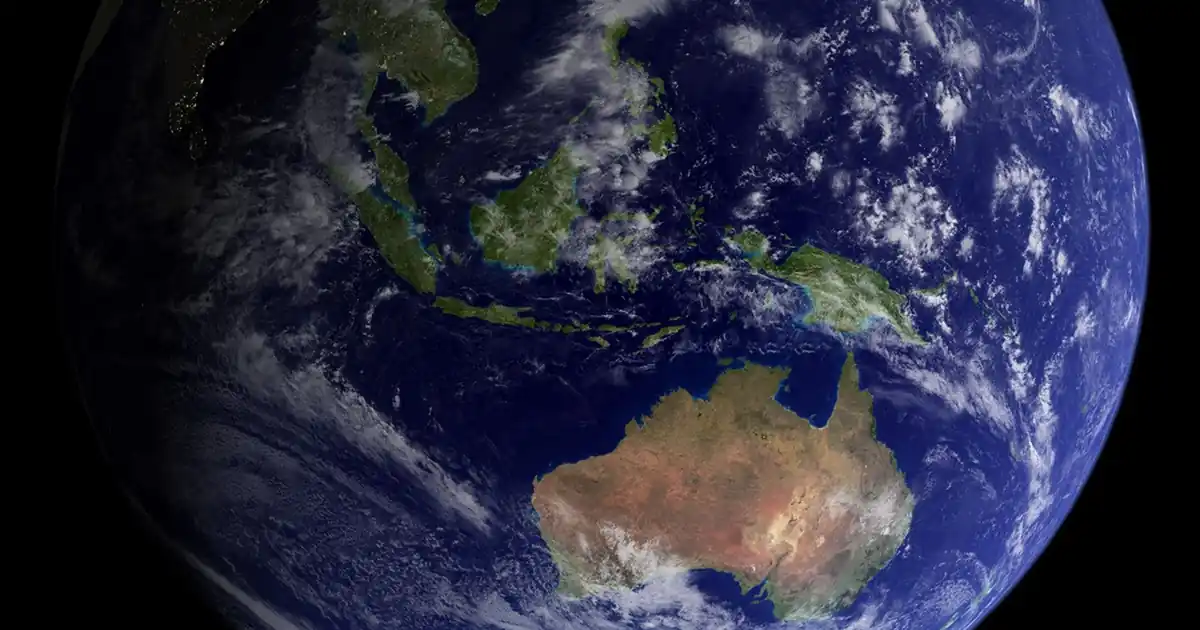
Google is giving Seattle’s Allen Institute for AI (Ai2) about $5 million, plus another $1.8 million in cloud credits, to turn an AI weather model developed by Google Research into a tool for projecting climate change decades into the future. The money will help Ai2 build an open-source model designed to give scientists, water agencies and other planners a faster, more accurate look at how rainfall, temperatures and water supplies could change over the next five to 50 years. Announced on Wednesday morning, the three-year project pairs funding from Google.org, Google’s philanthropic arm, with technical support from Google Research, and Ai2 will add four people to its eight-person climate modeling team to do the work.
Ai2’s model, NeuralGCM+, will build on Google’s NeuralGCM, which mixes traditional physics equations with AI. “Ai2 is uniquely positioned to extend Google’s NeuralGCM model into the next generation of long-term climate projections,” Alex Diaz, head of applied science at Google.org, said in a statement, citing the institute’s climate science expertise and commitment to open research.
A weather model, rebuilt for decades
NeuralGCM was built for weather. Google’s work on the model centers on forecasts looking ahead a year at most, and Oliver Watt-Meyer, Ai2’s director of research for AI climate modeling, told GeekWire it does well at forecasting weather and at recreating past climate. Watt-Meyer wrote about NeuralGCM for the journal Nature when Google published its research in 2024 — and in that piece he also pointed out its limits.
Some of its long runs broke down, and when researchers simulated ocean temperatures about 7 degrees Fahrenheit warmer than today, its predictions for the atmosphere didn’t make physical sense. That is the gap NeuralGCM+ has to close: a model that can run stably for decades and still behave sensibly in a warmer world than the one it was trained on.
Ai2 already has its own family of AI climate models, called the Ai2 Climate Emulator, or ACE. Those models rely entirely on AI and run much faster than NeuralGCM — but versions trained only on historical data struggle to project a climate the planet hasn’t experienced yet. Watt-Meyer said NeuralGCM’s design could hold up better as the world warms, because the laws of physics built into it won’t change.
Ocean, physics, and a public training code
Under the new project, Ai2 will try to fix both known problems. It will connect NeuralGCM+ to an ocean and sea ice model, with the goal of running stable simulations that span decades. It will also build more established physics into the model, then check its predictions for a warmer world against results from traditional climate models.
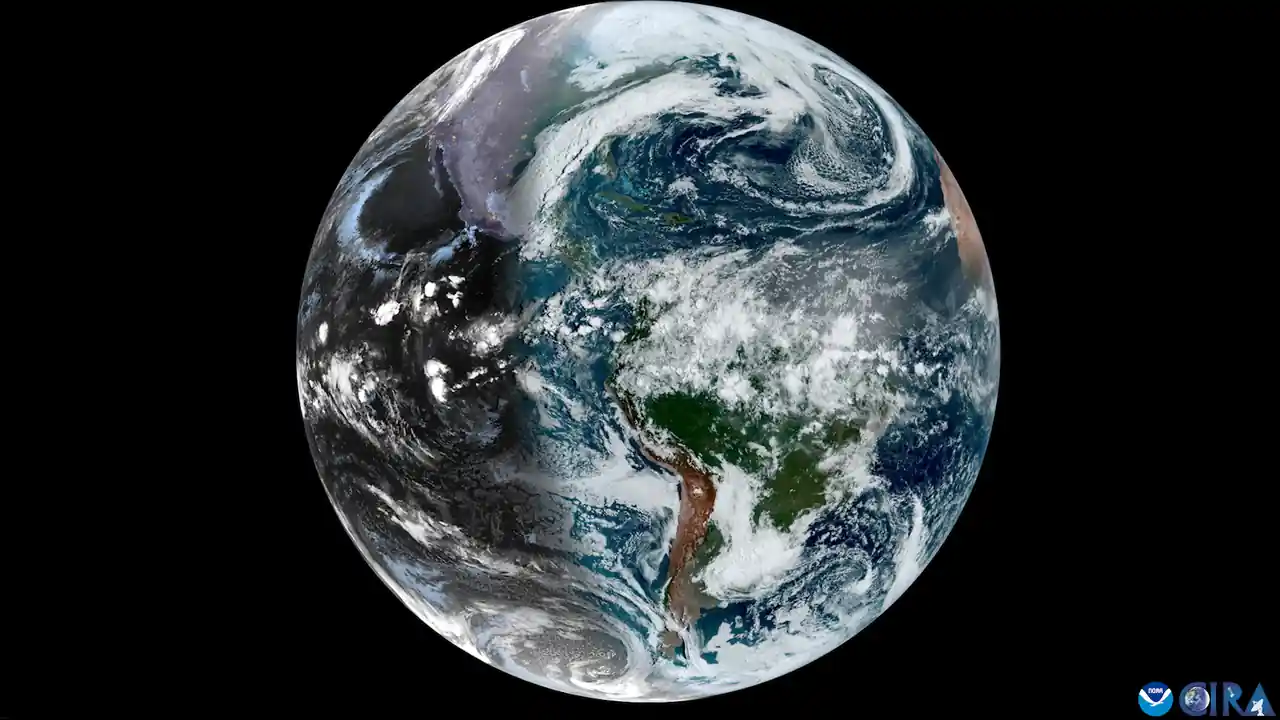
The first step is releasing the code for training NeuralGCM, which has been tied to Google’s internal systems. Making it public will let other researchers train their own versions, including on common GPUs rather than only Google’s own chips. Ai2 expects to release it within the first year, with work on the ocean model running in parallel.
Watt-Meyer is candid about the odds. Making the model reliable in a warmer world is the hardest part, and it could take longer than three years. “We don’t know if it’ll work necessarily,” he said.
Full circle, from Fortran to AI coding agents
The project’s origins go back about a decade. The late Microsoft co-founder Paul Allen started a climate modeling effort around 2016 at what was then known as Vulcan, his Seattle-based holding company. The group moved to Ai2 in 2021, about two and a half years after his death; Allen had founded the nonprofit AI institute in 2014.
The original plan was to combine physics and AI. The group set that aside because the AI couldn’t be trained well inside older climate models written in Fortran, a decades-old programming language. Google wrote NeuralGCM in modern code that solves that problem. “This is actually kind of coming full circle for us,” Watt-Meyer said.
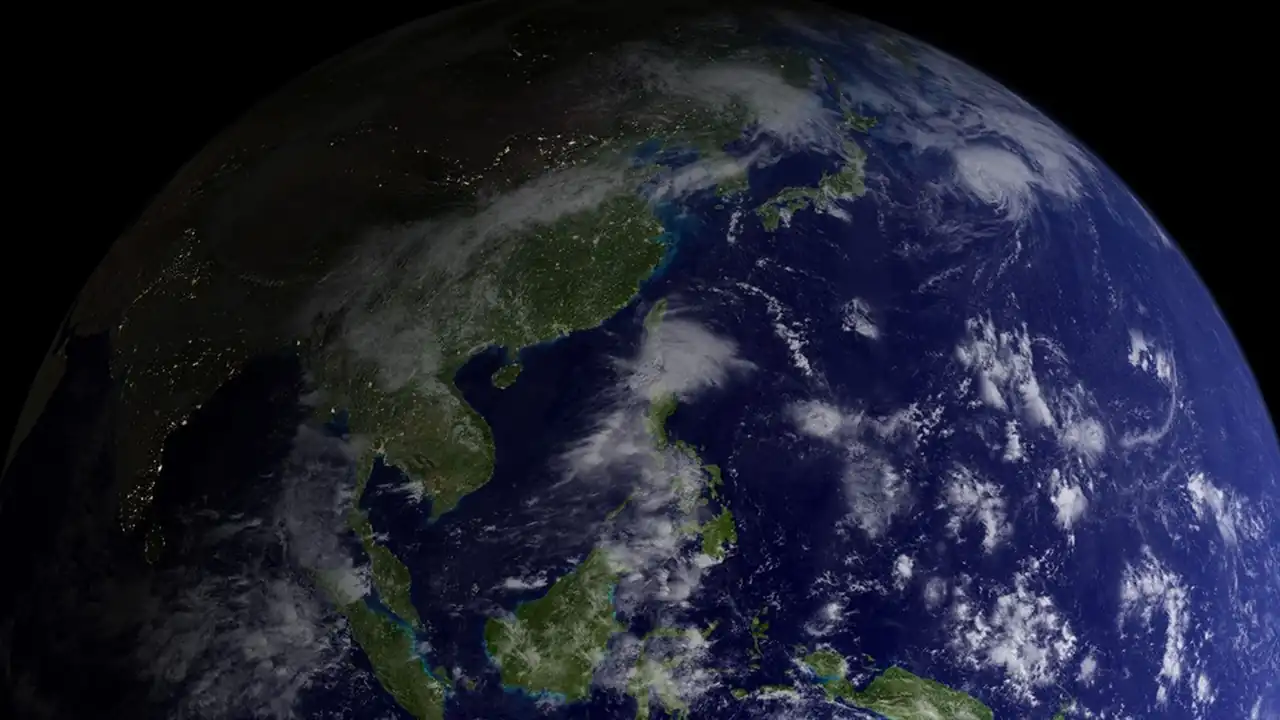
AI coding agents are changing what the team thinks it can get done in that time, Watt-Meyer said: the tools are well suited to translating old code into modern programming languages. In one case, an outside group converted a well-known ocean model from Fortran into the same language NeuralGCM uses, so Ai2 won’t have to build its own. He called the tools “a real game changer” for simulation.
Google Research will keep developing NeuralGCM for forecasts of a few weeks to a year, and the two teams will share training code and data. One of Google’s lead NeuralGCM researchers is spending three days at Ai2 this week.
Who would use a decades-ahead model?
Watt-Meyer pointed to questions such as how rainfall could change in the Southwest, a key issue for water planning around Lake Powell on the Colorado River. Insurance and reinsurance companies already use Ai2’s ACE models in their research. Data center developers could use these kinds of models to answer questions about cooling, access to renewable energy and risks such as extreme weather and rising seas — though Watt-Meyer said it isn’t clear if the industry is paying attention yet.
“Climate modeling is a bit more of a public good,” he said. “It is information that people need to know, but it’s often more government agencies that are thinking about this.”
The funding is a bet on a method, not a finished product: a physics-grounded model that other researchers can run, inspect and extend. Ai2’s other recent Earth-scale work points the same way — OlmoEarth v1.3 turned a year of satellite data into ready-made embeddings for the whole planet — while Envision’s Tianji shows how crowded the physics-plus-AI weather space has become. The first checkable milestone for NeuralGCM+ is the training-code release, due within a year. Whether the decades-long runs hold up in a warmer world is the question the next three years are meant to answer.
Frequently asked questions
What is NeuralGCM+ and how is it different from NeuralGCM?
NeuralGCM+ builds on Google's NeuralGCM, a model that mixes physics equations with AI and focuses on weather forecasts of up to a year. Ai2 will connect it to an ocean and sea ice model and add more established physics, aiming for stable simulations spanning decades.
How much is Google giving Ai2, and what is the money for?
About $5 million in funding from Google.org, plus $1.8 million in cloud credits, over three years, with technical support from Google Research. The goal is an open-source climate-projection model, starting with a public release of NeuralGCM's training code within the first year.
Will NeuralGCM+ definitely work for decades-ahead projections?
Not necessarily. Ai2's Oliver Watt-Meyer said, “We don't know if it'll work necessarily.” Making the model reliable in a warmer world is the hardest part and could take longer than the three-year project.