Biren raises $515M in its third capital raise of 2026 to fund next-gen GPU production — and Hong Kong keeps saying yes
Shanghai Biren Technology said on October 8 it will place 130 million new H-shares at HK$31.08 apiece, raising about HK$4.04 billion (~$515 million) — its third major raise of 2026. Investors have had three chances to say no this year; they haven't taken one.
Shanghai Biren Technology said on October 8 that it will place 130 million new H-shares at HK$31.08 apiece, raising gross proceeds of roughly HK$4.04 billion, about $515 million. The price is a discount of close to 9.76% to Biren's last close and 13.73% to its five-day average. The new shares amount to roughly 9.54% of its existing H-share count and 5% of total shares outstanding — and no shareholder vote is required to push it through. This is Biren's third major capital raise of 2026.
Three chances to say no, three yeses
The October placement follows a busy year on the equity side. On January 2, Biren listed in Hong Kong, pricing 284.8 million H-shares at HK$19.60 and pulling in HK$5.58 billion, about $717 million — shares closed 76% above the offer price on the first day of trading. In July, the company came back for HK$7.07 billion, roughly $900 million, selling 153 million new shares at HK$46.20 under a 90-day lockup that expired at the start of October. At the last close before the new placement, shares were still about 76% above the IPO price.
Biren says about 70% of the new net proceeds will fund supply-chain procurement, production ramp-up and commercialization of its next-generation GPU line; another 20% goes to R&D and the software ecosystem around its chips; the remaining 10% is working capital.
The foundry gap is the real bet
Biren — ticker 6082.HK, founded in 2019 by former SenseTime president Zhang Wen and Qualcomm/Huawei veteran Jiao Guofang — designs general-purpose GPUs for AI data centers, telecom and finance. It is one of China's so-called Four Little Dragons of GPUs, alongside Moore Threads, MetaX and Enflame Technology, all racing to build credible alternatives to Nvidia chips that Washington has steadily locked out of the Chinese market. The U.S. imposed a license requirement on Nvidia's H20 exports to China in April 2025, after earlier controls had already restricted Chinese chip designers' access to advanced foundries — Biren itself was added to the U.S. Entity List in October 2023.
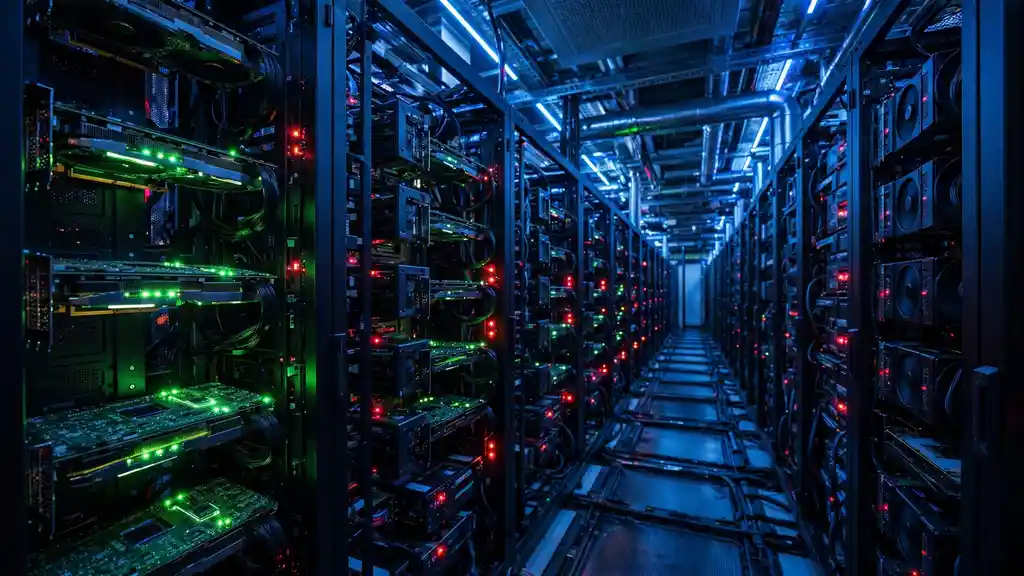
That is why the stated use of proceeds matters more than the headline number: roughly two-thirds of the money goes to supply-chain procurement and production — the part of the business where Chinese chipmakers are most exposed, since they still depend on domestic foundry capacity and packaging. The software ecosystem is the other battleground: breaking Nvidia's CUDA dominance around its chips is, by the company's own framing, the layer that will take real R&D.
Export controls as a demand letter
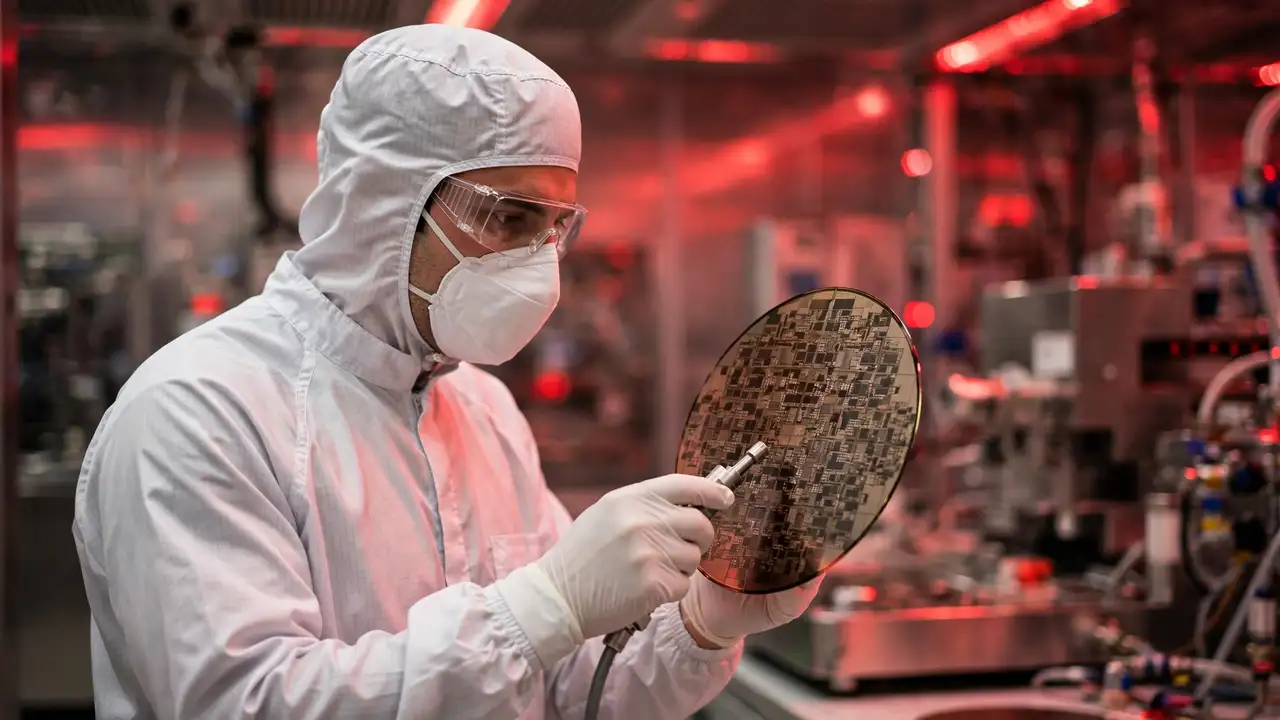
Biren isn't raising in isolation. Moore Threads and MetaX raised a combined roughly $1.65 billion in Shanghai STAR Market IPOs in late 2025, and Moore Threads posted first-half 2026 revenue of RMB1.736 billion, up 147.42% year over year — already ahead of its entire 2025 total. Both companies said in their IPO filings that U.S. restrictions could push Chinese buyers toward domestic substitution faster than they otherwise would. Washington's export controls were built to slow China's AI chip industry down. So far they look like they're helping bankroll it instead, one placement at a time.
What the money can't buy yet
None of that means Biren is in the clear. The company remains unprofitable and spends heavily on research relative to revenue. It has not published benchmarks proving its GPUs compete with Nvidia's, and it doesn't have to — what it has is scarcity. There are only a handful of domestic GPU makers that Chinese funds, insurers and retail investors can buy to bet on the country's AI buildout, and Biren got to Hong Kong's public market first, as the city's first GPU-focused stock. Whether any of the Dragons can match Nvidia's performance at scale is still an open question. Whether they can keep raising capital while they try to answer it no longer is.
Sources: Startup Fortune (Oct. 8, 2026); AI Weekly (Oct. 8, 2026); BusinessToday, citing Reuters (Jan. 2026, on the Hong Kong listing and Entity List status).