Careflick opens reservations for Oak1, a pendant AI wearable for older adults
Careflick has opened reservations for Oak1, a wearable personal AI designed for older adults that trades apps and passwords for conversation: wearers speak requests aloud, and the pendant-or-clip device coordinates rides, appointments, groceries and medication refills through connected services. Shipping is expected to begin in January 2027, the company said on November 1.
- Who and when: Careflick opened reservations for Oak1 on November 1, 2026, with shipping expected to begin in January 2027.
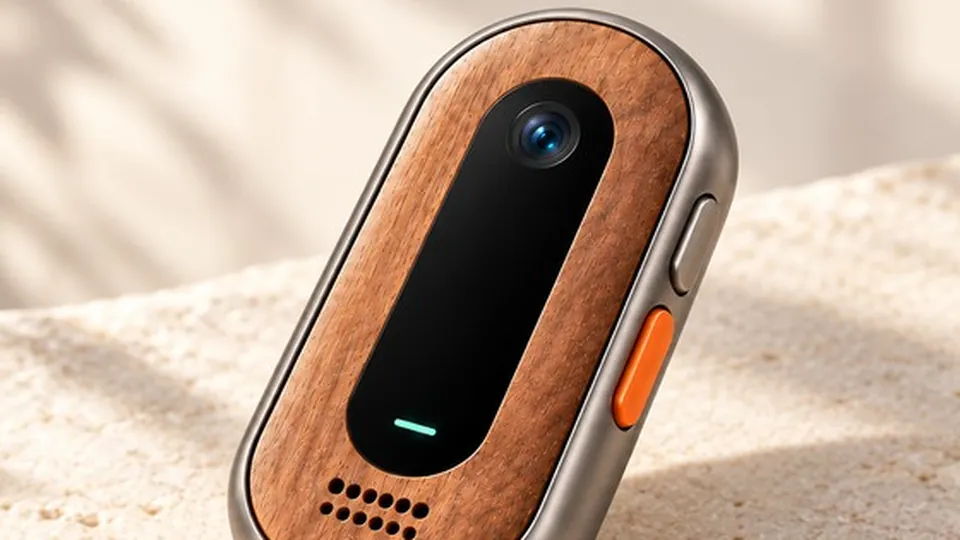
- The form: a pendant or clip with a wood-like face and metal body; wide-angle camera, dual microphones, speaker, full-day battery capability, USB-C fast charging, Wi-Fi and Bluetooth, and compatibility with supported earphones and hearing aids.
- What it does: spoken requests coordinate rides, healthcare appointments, grocery purchases, food deliveries and medication refills through compatible connected services; Careflick says availability varies by location, service provider and account access.
- Languages: more than 15, including English, Spanish, Japanese, Hindi, Tamil, Telugu, Odia, Marathi and Gujarati.
- How it was shaped: more than 10,000 hours of conversations with more than 1,000 older adults, in communities including the San Francisco Bay Area, India, Dubai and Mexico.
- Privacy, as stated by Careflick: ISO 27001 certified with HIPAA-compliant practices for protected health information, plus encryption, on-device processing and permission-based controls. Oak1 does not replace professional medical advice or emergency services.
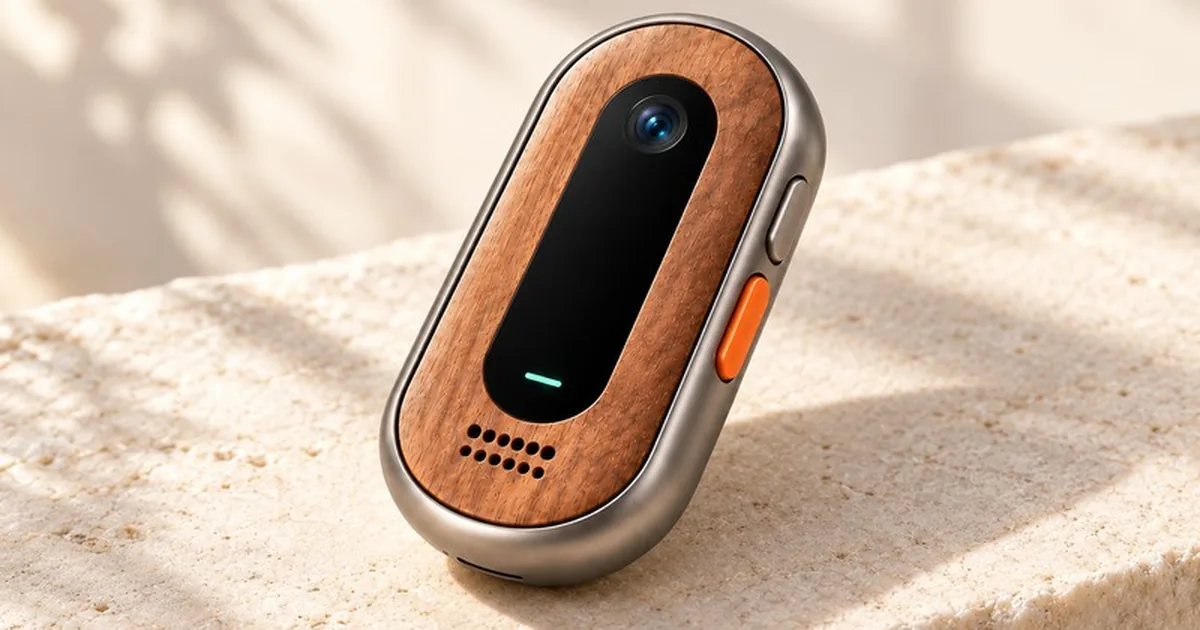
Careflick did not announce a model, a benchmark or a research result on November 1. It opened reservations for a piece of hardware: Oak1, a wearable personal AI for older adults that is worn as a pendant or clipped to clothing and operated by talking to it. The pitch is deliberately low-tech on the surface — no app to open, no password to remember — with the complicated part, coordinating services and remembering routines, handled by the device and the cloud software behind it. Reservations are open now at careflick.com, according to Careflick’s November 1 announcement, with shipping expected to begin in January 2027.
Talk, don’t tap#
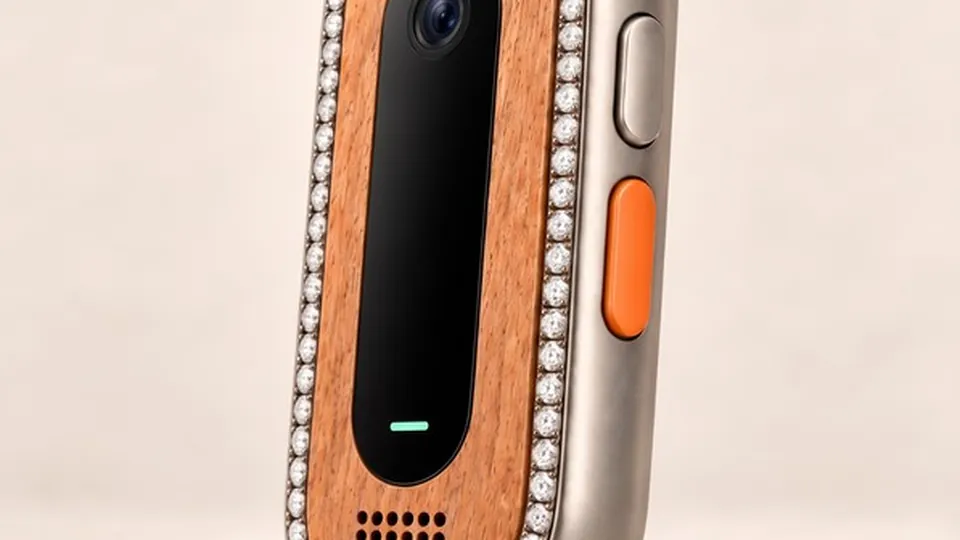
Oak1 is designed as a personal accessory first and a gadget second: a wood-like face, a refined metal body and discreet controls, worn as a pendant or attached to clothing. Its conversational interface is meant to spare wearers from navigating multiple applications, passwords or complicated digital screens. Instead of opening the right app, a wearer states the need in ordinary speech — arranging transportation, scheduling an appointment, ordering groceries or understanding a bill — and the wearable is designed to interpret the request and coordinate the relevant steps through supported services.
The hardware list in the announcement is short and specific: a wide-angle camera, dual microphones, an integrated speaker, full-day battery capability, USB-C fast charging, and Wi-Fi and Bluetooth connectivity. The camera does more than calls. It lets Oak1 interpret printed information, explain letters and bills, translate text and offer guidance when a wearer meets unfamiliar technology. Compatibility with supported earphones and hearing aids allows for private listening.
What it is supposed to do#
Through compatible connected services, Oak1 can coordinate rides, healthcare appointments, grocery purchases, food deliveries and medication refills. Careflick’s own caveat matters here: availability varies according to location, service providers and account access, so the same request may not work the same way everywhere. For families, the device offers another way to stay informed and connected without, in Careflick’s framing, unnecessarily interfering with the wearer’s independence.
The memory is the other half of the idea. Oak1’s contextual memory retains relevant preferences, appointments and routines, supporting personalised reminders and suggestions: an upcoming medical appointment becomes an opportunity to arrange transportation, and grocery planning can reflect dietary preferences. The system combines on-device processing for wake-word detection and immediate interactions with cloud-based artificial intelligence for more complex reasoning and task coordination. Careflick is also developing an invitation-only agent store that would let developers and service providers plug their services into the platform, reducing dependence on separate applications.
It speaks widely. Oak1 supports more than 15 languages, including English, Spanish, Japanese, Hindi, Tamil, Telugu, Odia, Marathi and Gujarati. It also captures notes, organises lists, tracks plans and holds conversations about hobbies and personal interests — the companion side of the same device.
Shaped by 10,000 hours of conversation#
Oak1’s development, Careflick says, reflects more than 10,000 hours of conversations with more than 1,000 older adults through its early AI companion programmes. Participants came from communities across the San Francisco Bay Area, India, Dubai, Mexico and additional locations. The founding team visited senior centres and senior living communities, worked with families and involved older adults directly in product development, including through an AI internship initiative in which older participants acted as testers and collaborators, giving feedback on usability, conversational experience and everyday functionality.
Careflick was founded by Abhishek Mohanty, Monika Dubasi and Himanshu Maharana. Mohanty brings nearly a decade of senior care experience, including developing assisted living and memory care services at Epoch Elder Care. Dubasi contributes consumer product and supply chain experience from Flipkart and Razor Group, while Maharana brings artificial intelligence and machine learning experience from IBM. The company says its early waitlist includes Silicon Valley veterans, former executives, retired entrepreneurs, professors and alumni of Stanford, Harvard, the University of California, Berkeley and the Indian Institutes of Management.
Privacy claims, stated carefully#
Careflick states that it is ISO 27001 certified and follows HIPAA-compliant practices for handling protected health information. Oak1 incorporates encryption, on-device processing and permission-based controls intended to protect personal information. Its safety framework includes safeguards for sensitive health and financial discussions, confirmation before consequential actions and controls governing access to connected services. Family updates are designed to operate with the wearer’s permission, so individuals determine what information can be shared, and Careflick says recommendations are intended to reflect individual preferences without advertising influencing the experience.
Those are the company’s statements, not independently verified findings, and the announcement cites no outside audit, review or hands-on test. Oak1 supports daily routines and general wellbeing but does not replace professional medical advice or emergency services, the announcement says.
What is not yet known#
The announcement does not state a price for Oak1, gives no battery life beyond “full-day battery capability”, and does not say which connected services will be live at launch beyond the categories named. Careflick’s website separately lists an Oak1 Atelier edition under different terms; the announcement does not explain how the editions differ beyond the finish shown in its images.
For now, Oak1 is a reservation, not a reviewable product. The test that matters — whether older adults who did not help design it can live with it day to day — starts when the first units ship in January.
Sources: Careflick’s November 1, 2026 announcement; Careflick’s Oak1 product page, checked November 1, 2026. Images are Careflick’s announcement images.
Frequently asked questions
What is Oak1?
A wearable personal AI for older adults, worn as a pendant or clipped to clothing. Wearers speak requests aloud, and Oak1 coordinates everyday tasks such as rides, appointments, groceries and medication refills through compatible connected services.
When can you get one, and what does it cost?
Reservations opened on November 1, 2026 at careflick.com, and shipping is expected to begin in January 2027. The announcement states no price for Oak1.
What does Oak1 do with health information?
Careflick states it is ISO 27001 certified and follows HIPAA-compliant practices, with encryption, on-device processing and permission-based controls, and family updates that operate with the wearer’s permission. Oak1 does not replace professional medical advice or emergency services.