AstraZeneca pays insitro $40M upfront — with up to $1.46B on the table — to aim its ‘Virtual Human’ AI at liver and heart disease
insitro announced Thursday that AstraZeneca will pay the South San Francisco AI-biotech $40 million upfront — with up to about $1.46 billion in potential milestones plus single-digit royalties — in a worldwide exclusive research collaboration to discover novel targets and therapeutics for metabolic dysfunction-associated steatohepatitis (MASH) and cardiomyopathies. insitro’s “Virtual Human” AI platform will hunt for the causal biology of two diseases that have resisted treatment precisely because each looks like one illness but behaves like many.
The deal
Under the agreement, insitro applies its Virtual Human platform to identify causal disease biology in MASH and cardiomyopathies and advances AstraZeneca-nominated targets from discovery through to development-candidate stage. AstraZeneca then takes over the expensive part: all clinical development, regulatory work, and commercialization.
The economics are straightforward: $40 million upfront, up to about $1.46 billion across discovery, development, and commercial milestones, and tiered single-digit royalties on potential global commercial sales. It is one of the largest AI-for-drug-discovery packages announced this year — and a clear vote of confidence in AI target discovery from a top-ten pharma company.
Why these two diseases
MASH, a severe form of fatty liver disease, and cardiomyopathies, a family of heart-muscle disorders, share an ugly trait: a single diagnostic label spans patients whose underlying biology differs wildly. That heterogeneity is exactly why they have been so hard to treat — researchers have struggled to pin down the root biological drivers, as Reuters reported in its coverage of the deal.
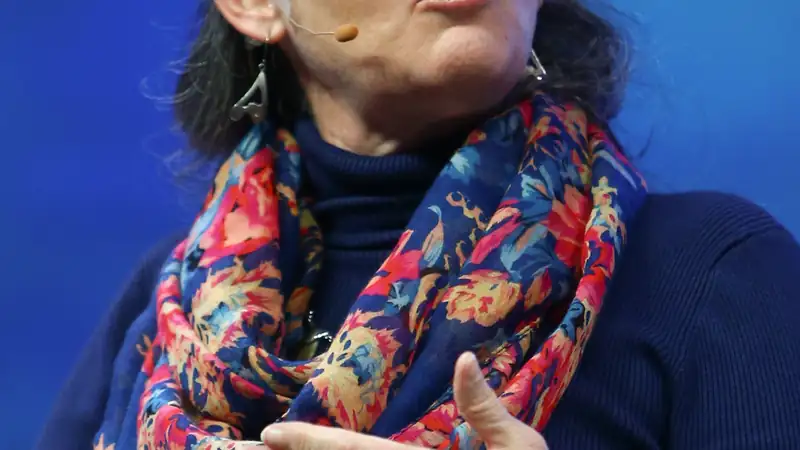
insitro founder and CEO Daphne Koller calls both prevalent, underdiagnosed diseases where high-content data “holds immense potential for uncovering disease drivers.” The company’s pitch is that its platform simultaneously deconvolutes disease biology and identifies causal drivers — separating true causal levers from correlation noise — which is precisely the condition under which its machine learning on human data is most useful.
The platform: a “Virtual Human”
insitro, founded in 2018 by Koller, says it has built one of the world’s largest integrated multi-modal corpora of human and cellular data, and the Virtual Human is the genetically anchored AI engine on top — designed to reveal how disease begins, progresses, and can be resolved. A sibling system, TherML, designs medicines against the causal drivers the engine identifies. The company’s thesis: biology remains illegible to human and machine intelligence for lack of scaled human and cellular data — “you cannot connect the dots that have not been measured.”
The pipeline is already busy: nine programs, including novel genetic master regulators of liver fat and fibrosis entering the clinic in early 2027, a proprietary oligonucleotide therapy the company says could be disease-modifying in 97% of ALS patients, and the first reported genetic regulator of brown fat. Backers include a16z, ARCH, BlackRock, GV, T. Rowe Price, and Temasek, with more than $750 million raised.
A crowded dance card
The AstraZeneca deal extends a busy partnership year. insitro recently expanded its collaboration with Bristol Myers Squibb to advance a broader portfolio of targets for ALS, and teamed with Eli Lilly to build AI models that predict pharmacological properties of small molecules in living organisms. Gilead is also on the collaborator list.
For AstraZeneca, the logic is pipeline math. “Choosing the new targets that we want to put into our discovery pipeline is one of the hardest things we do across research and development,” Sharon Barr, the company’s executive vice president and head of BioPharmaceuticals R&D, told Reuters. The bet is that AI can make target selection — the decision that defines R&D productivity — less of a gamble.
What happens next
The collaboration is multi-year. insitro generates the targets; AstraZeneca funds and runs the clinical trials. With insitro’s own liver programs entering the clinic in early 2027, the next 18 months will show whether the Virtual Human’s causal-biology claims convert into development candidates — for insitro, and now for AstraZeneca’s MASH and cardiomyopathy pipeline too.
Sources: Business Wire: insitro Announces a Strategic Collaboration with AstraZeneca for AI-enabled Discovery of Novel Therapeutics for MASH and Cardiomyopathies (Oct 15, company announcement); Reuters: AstraZeneca strikes $40 million AI drug discovery deal with insitro (Oct 15).