Lockheed Martin Canada puts C$10M into iMAPLE, an AI that matches the right maintainer to every Hercules job
Lockheed Martin Canada announced a C$10 million contract with Contextere on October 27, 2026, to advance iMAPLE, an AI platform for maintenance competency and workforce readiness, starting with the Royal Canadian Air Force's CC-130J Hercules fleet.
- Who: Lockheed Martin Canada, Contextere, and the Royal Canadian Air Force (RCAF).
- What: a C$10 million contract to advance iMAPLE, the Intelligent Maintenance, Asset, Personnel and Learning Environment, based on Contextere’s MADISON platform.
- When and where: announced October 27, 2026, at the Canadian Aerospace Summit in Ottawa.
- First deployment: supporting the RCAF’s CC-130J Hercules fleet; Canada operates 17 CC-130J Super Hercules aircraft.
- What iMAPLE does: natural-language search of validated maintenance information, competency profiles that flag skills gaps, mapping of skills and certifications against operational requirements, and capture of institutional knowledge as personnel retire or change roles.
- Wider context: more than C$4.7 billion in economic benefits to Canada from the CC-130J purchase and In Service Support; Lockheed Martin Canada cites C$3.6 billion contributed to GDP and an average of 4,561 jobs a year over the past five years.
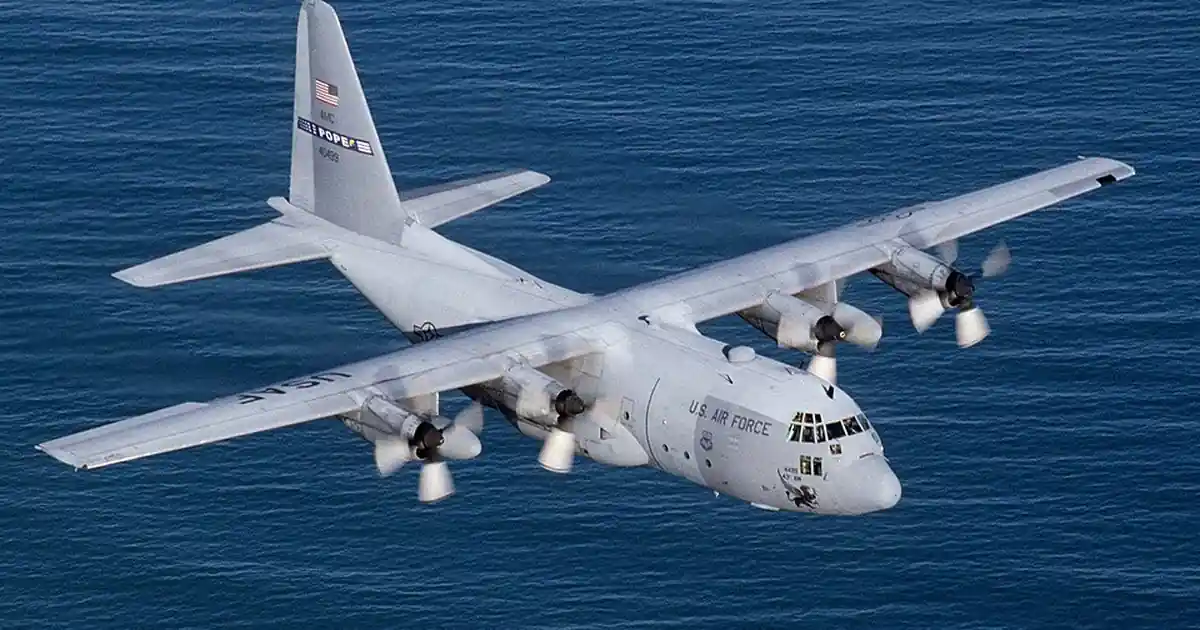
Lockheed Martin Canada announced a C$10 million contract with Contextere on October 27, 2026, at the Canadian Aerospace Summit in Ottawa, to advance iMAPLE, its Intelligent Maintenance, Asset, Personnel and Learning Environment. The platform, based on Contextere’s MADISON technology, brings specialized AI to competency management and workforce readiness, and the contract funds its next phase of development, beginning with a deployment supporting the Royal Canadian Air Force’s (RCAF) CC-130J Hercules fleet, according to the announcement.
The deal is about people as much as machines. Keeping a military fleet flying depends on having maintainers with the right skills, in the right place, with the right technical knowledge at hand — and on not losing that knowledge when experienced personnel change roles or retire. iMAPLE is built to turn that workforce problem into something a commander can plan around, rather than discover at the hangar door.
What iMAPLE actually does#
iMAPLE gives defence personnel four linked capabilities. They can search validated maintenance, training and operational information using everyday language, instead of hunting through manuals. The platform builds competency profiles for maintainers and technicians to identify skills gaps and capability needs. It maps skills, qualifications, certifications and experience against operational requirements. And it captures and organizes institutional knowledge as experienced personnel change roles or retire.
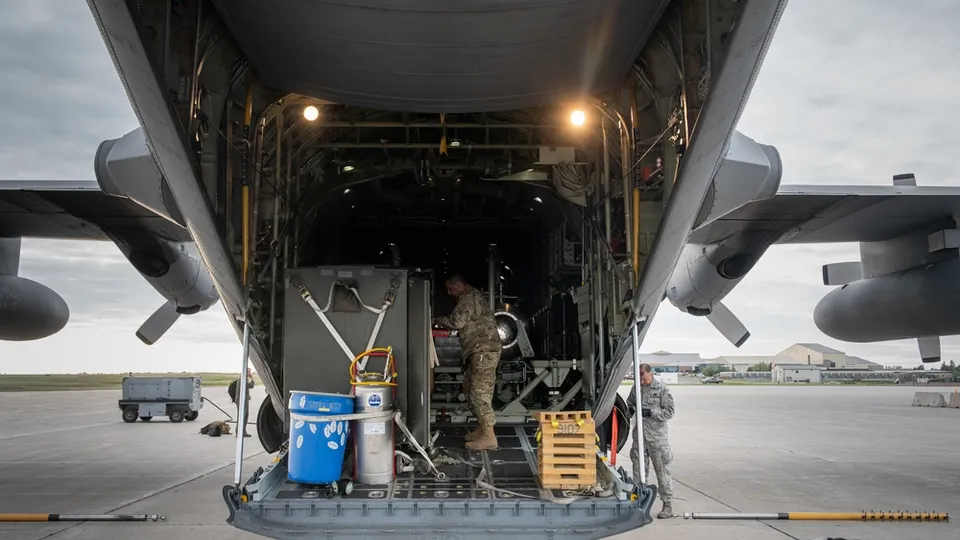
By matching personnel competencies to maintenance tasks, iMAPLE aims to support sustainment decisions that could improve aircraft availability, maintenance efficiency and fleet readiness, the announcement says. Lockheed Martin will also act as a consultative AI and machine-learning partner across all project phases, providing validated machine-learning methodologies, quality reviews and knowledge transfer, and advising on designing, testing and optimizing the AI components.
Why the Hercules fleet first#
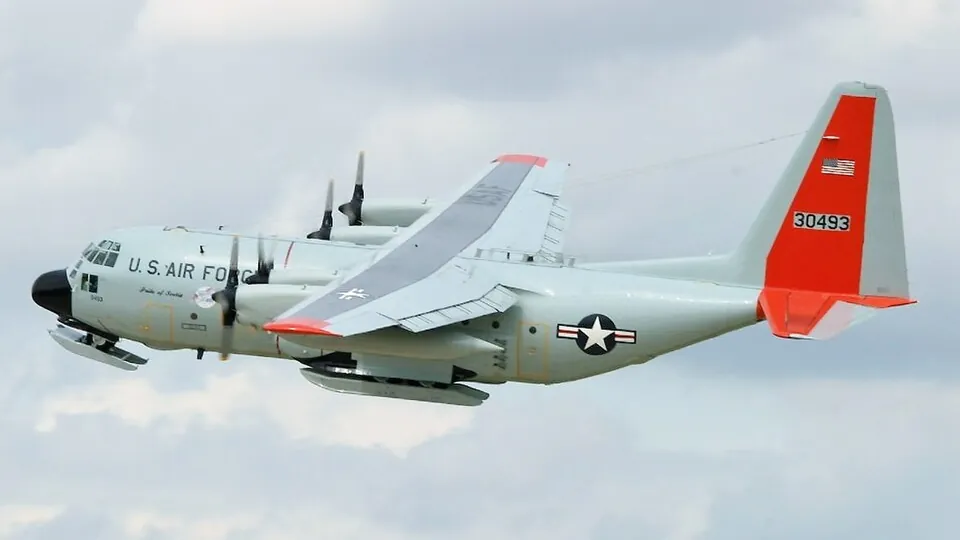
The CC-130J is a sensible proving ground. The Hercules has been the RCAF’s workhorse for decades, and Canada operates 17 CC-130J Super Hercules aircraft, supported under Lockheed Martin’s In Service Support program. The fleet is exactly the kind of long-lived, complex equipment where the maintenance burden grows over time: more systems to master, more procedures to keep current, and more experienced hands aging out of the workforce.
That is also why the first deployment matters more than its size suggests. If iMAPLE can show, on one fleet, that the right maintainer reaches the right job faster and with the right information, the same approach transfers. The underlying technology is designed for application to complex equipment across land, air and sea, not just one aircraft type.
A sovereign-AI argument#
Ottawa framed the deal as industrial policy as well as sustainment. “This partnership invests in a Canadian-developed artificial intelligence solution that supports the Royal Canadian Air Force’s CC-130J Hercules fleet,” said Stephen Fuhr, Secretary of State for Defence Procurement. “It is strengthening Canada’s defence capabilities, creating opportunities for Canadian workers, and helping grow a sovereign AI ecosystem with export potential.”
Contextere chief executive Gabriel Batstone said the agreement builds on the company’s work with the Department of National Defence and the RCAF, “to help personnel access critical expertise and prepare for increasingly complex maintenance demands,” and creates an opportunity “to grow Canadian-owned AI technology for defence applications at home and in allied markets.” Kristen Leroux, Lockheed Martin’s vice president and regional executive for Canada and Latin America, said the collaboration shows “how Canadian innovation can build a sovereign defence and dual-use ecosystem right here at home.”
The project is presented as supporting Canada’s Defence Industrial Strategy, by advancing Canadian-owned intellectual property, and its AI for All strategy, by bringing AI adoption into a strategic sector. The contract also counts toward Lockheed Martin’s economic commitments under Canada’s Industrial and Technological Benefits Policy, tied to the CC-130J In Service Support program.
The numbers around the deal#
The C$10 million is a development-phase contract, not a fleet-wide rollout — and the announcement names no deployment date or performance targets, so the claims about availability and efficiency are aims to be demonstrated, not results already banked. The surrounding figures show why Lockheed Martin treats the relationship as long-term: through the Industrial and Technological Benefits Policy, more than C$4.7 billion in economic benefits has flowed to Canada from the purchase and In Service Support of the 17 CC-130J aircraft, and over the past five years Lockheed Martin Canada has contributed C$3.6 billion to Canada’s gross domestic product while supporting an average of 4,561 jobs a year, according to the company’s figures reported by Canadian Defence Review.
What to watch#
Watch the first deployment, not the press release. If iMAPLE measurably shortens the path from a maintenance symptom to a qualified maintainer with validated instructions — and if that shows up in aircraft availability — the platform has a credible case for other fleets and allied buyers. If it stalls as a competency database with an AI label, it will join a long list of defence pilots that never scaled. The interesting test is mundane by design: whether the right person, with the right skill, gets to the right aircraft, faster, and whether anyone still remembers how the job was done when that person retires.
Sources: Lockheed Martin Canada’s announcement, “Lockheed Martin Canada Announces $10 Million Contract with Contextere to Advance iMAPLE Defence AI Platform” (October 27, 2026); Canadian Defence Review’s report; True North Strategic Review’s coverage. Photos are U.S. Air Force images via Wikimedia Commons and DVIDS, used to illustrate the Hercules fleet; they do not depict iMAPLE itself.