Meta's Muse lands in Singapore: Agoda becomes its first regional travel connector
Meta launched its personal AI agent Muse in Singapore on October 28, 2026, with Agoda as the first travel platform regionally to connect its AI travel assistant — letting users in Singapore and Japan discover destinations, book hotels and manage itineraries in conversation.
- Who: Meta, with its personal AI agent Muse; travel partner Agoda, whose chief product officer is Matteo Frigerio.
- What: Muse launched in Singapore, and Agoda became the first travel platform regionally with an active Muse connector.
- When: October 28, 2026 — following Muse's September 2026 introduction and its Japan launch on October 23, 2026.
- What the connector does: Links Agoda's AI travel assistant with Muse so users can discover destinations, book hotels and manage itineraries in conversation.
- Agoda's scale: Over 6 million holiday properties, more than 130,000 flight routes and over 300,000 activities, combinable in a single booking.
- Where it works: Available to Muse users in Singapore and Japan through the Muse app on iOS and Android and at muse.ai.
Singapore is Muse's fourth market#
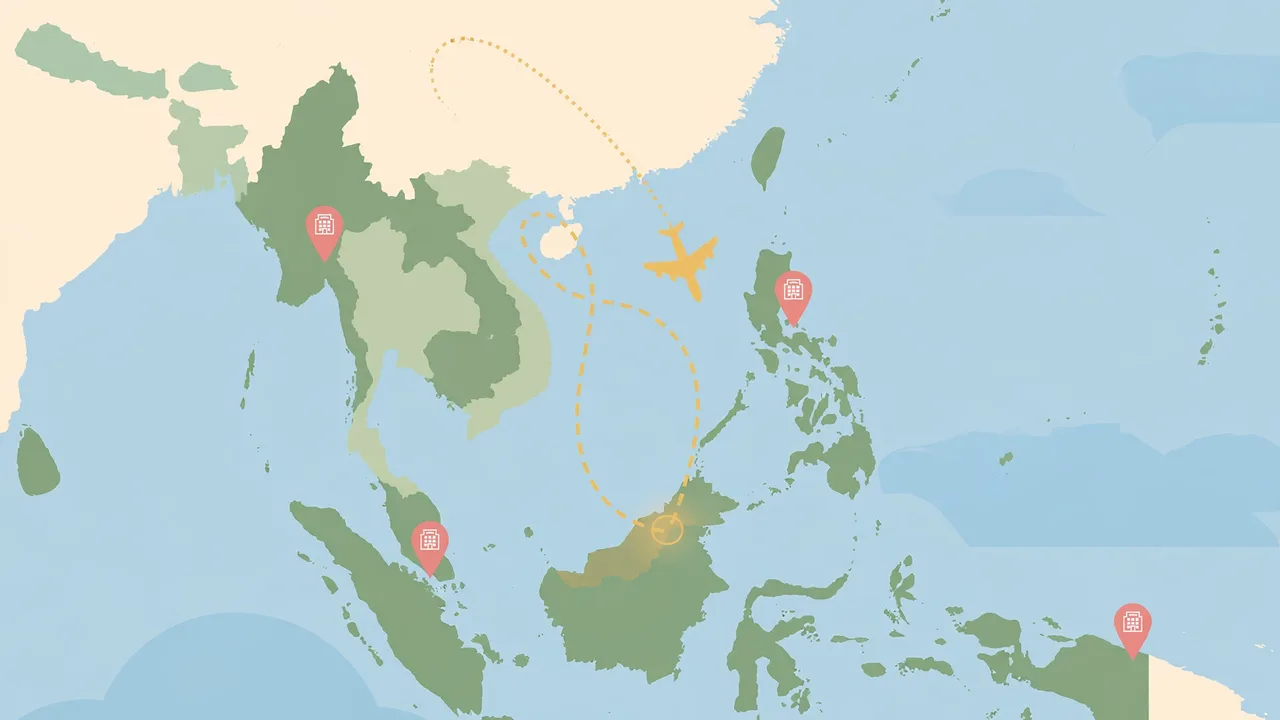
Meta launched its personal AI agent, Muse, in Singapore on October 28, 2026. The launch follows Muse's global introduction in September 2026 and its arrival in Japan on October 23, making Singapore the agent's second market outside North America, after the United States and Canada debut.
What sets the Singapore launch apart is not the geography alone. It arrived with a named, working connector in a real vertical: Agoda, the digital travel platform, is now available as a connector in Muse. Agoda says it is the first travel platform regionally with an active Muse connector, and the connector is live for Muse users in Singapore and Japan.

What the Agoda connector does#
The connector links Agoda's AI travel assistant with Muse, so users of the Muse app can discover destinations, book hotels and manage itineraries directly with Agoda, in conversation, without opening the Agoda app. It works through the Muse app on iOS and Android and at muse.ai.
Agoda is not a small first partner. The company lists over 6 million holiday properties, more than 130,000 flight routes and over 300,000 activities, all combinable in a single booking. That inventory is what makes an agent useful rather than merely impressive: a travel booking is a transaction with stakes, and getting it right is the test.
Agoda chief product officer Matteo Frigerio said the company was excited to be the first digital travel platform regionally to connect its AI travel assistant seamlessly with Meta's Muse, calling it another convenient way for travelers to discover, plan and book trips.
A wider Singapore lineup#
Agoda is the headline connector, but it is not the whole Singapore launch. Meta's Singapore announcement lists integrations with major consumer platforms including Shopee, Grab, Singapore Airlines, Agoda, ShopBack, Klook, Trip.com and Lazada. Through those connections, Muse can research and compare products on Shopee and Lazada, help with grocery orders and dining through Grab, and help plan travel through Singapore Airlines, Agoda, Klook and Trip.com.
Meta cautions that integrations with its Singapore partners will be introduced progressively, with some functionality becoming available after the initial launch — so the day-one list should not be read as everything working at full depth on day one. Users can also connect Gmail, Google Calendar and Instagram to manage email, coordinate schedules and reference saved content.
The permission promise#
Meta Singapore managing director Nicole Tan framed Muse the way Meta has framed every Muse launch so far: as a personal agent built to make everyday life easier, connected to a travel brand people in Singapore already use. Her line that matters most for an agent that books things on your behalf: "You choose what it can access and approve actions before they happen."
Meta says Muse runs through a dedicated cloud-based system called Muse Secure VM, which stores data and credentials for connected services while keeping passwords and payment information inaccessible to the AI agent. Users must approve sensitive actions, including sending emails or making purchases. Most everyday functionality is available free of charge, with paid subscription options for additional capabilities, and support for AI glasses is planned.
What to watch#
Three things are still unclear on day one, and the announcements do not fill them in. No subscription prices are given beyond the free-plus-paid shape. The full day-one connector list is not spelled out — Agoda is the first travel platform regionally, but what else is live at launch, and at what depth, is only partly described. And what "book" means inside the chat — whether the whole checkout completes inside Muse or hands off along the way — is not detailed.
None of that takes away from the launch. It marks a shift in the agent race: from which countries get the agent to which industries get plugged in first. Travel won the first regional slot. The next vertical to land a named connector — and the next country on the map — will say a lot about where Meta thinks the daily habit, and the money, actually are.