Micron's Taiwan workers vote 99% to authorize a strike: they want 15% of the AI memory boom
Micron’s Taoyuan union said Wednesday that 1,994 members — 99% of those voting — authorized a strike over the bonus scheme, escalating a profit-sharing fight at the memory maker’s largest manufacturing hub, where the DRAM and HBM chips that feed AI servers are made.
Micron Technology's workers in Taiwan have voted overwhelmingly to authorize a strike. The union representing the company's Taoyuan operations said on Wednesday, October 7, that 1,994 members — 99% of those casting ballots — voted in favor of a strike over a dispute about the company's bonus scheme, escalating a months-long labor conflict at the chipmaker's largest manufacturing hub. Reuters reported that strike details, including timing, are still under discussion.
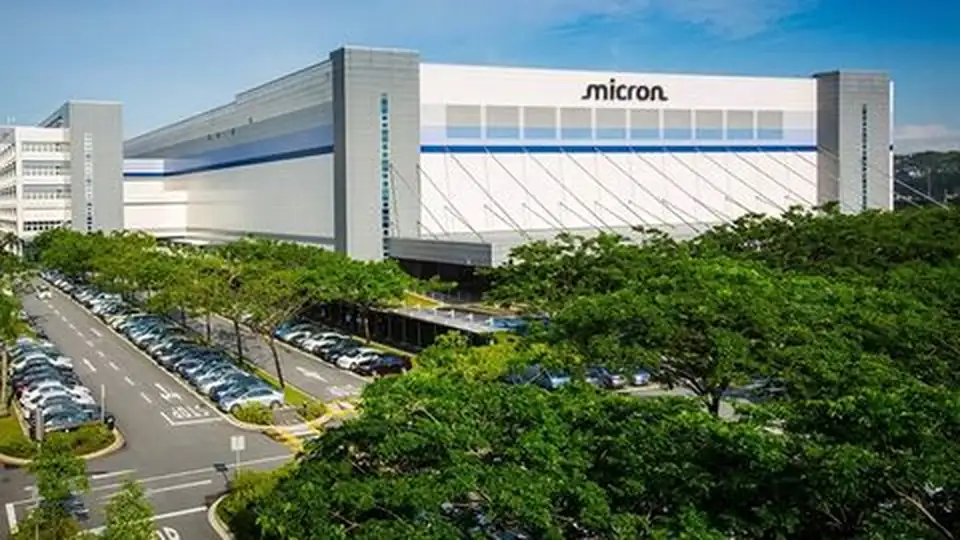
The location is what makes this matter beyond one company's payroll. Taiwan is a crucial production center for Micron's DRAM and high-bandwidth memory (HBM) chips — key components inside AI servers. Reuters notes that a labor action could amplify supply concerns in an already tight memory-chip market, where every AI accelerator shipment depends on memory that is sold out months in advance.
What the workers want
The union is not asking for a slightly bigger one-off check. Its demand is structural: a permanent profit-sharing mechanism that allocates 15% of Micron's operating profit to employee bonuses, paid quarterly. AFP reported the unions are also seeking a one-time bonus worth 83 months of salary, and point to rivals SK Hynix and Samsung, which already run profit-sharing schemes.
Micron did announce what it called its biggest-ever bonus package on September 11: fiscal 2026 rewards for more than 60,000 employees globally after what it called an “extraordinary year,” including a T$1 million ($31,386) cash bonus for Taiwan employees. The Taoyuan union says the package misses the point — a one-time payout does not address the demand for a permanent mechanism — and criticized the company for announcing it while labor mediation was still underway.
Micron's position
Mediation with the Taoyuan union ended without agreement in September, while the union in Taichung remains in negotiations. Together the two unions represent more than 80% of Micron's roughly 15,000 Taiwan workers.
Micron said on Wednesday it takes employees' concerns seriously and remains committed to engaging with its unions in good faith, adding that it will hold a further mediation session with the Taichung union later this month. The company said it would “continue to work through the established dialogue and mediation processes.” Taiwan's labor ministry told Reuters it respected the union's strike vote and urged Micron to put forward concrete proposals and negotiate.
The union, for its part, says it still hopes for a concrete profit-sharing proposal before resorting to a strike, and is encouraging members to take a day off on October 19 to join a rally in Taipei — explicitly not a strike.
Why it matters
Micron is the latest chipmaker facing labor unrest as workers seek a larger share of an AI boom that has pushed memory producers to record profits and margins. But the leverage runs both ways: memory is the scarcest input in the AI supply chain, and a strike authorization at a fully-utilized fab is the strongest card the union could hold. No strike has been called and there has been no reported production disruption — but Micron's shares were down more than 2% in US premarket trading on Wednesday, a signal that markets are pricing in the possibility.
Watch the October 19 rally and the next Taichung mediation session. If the Taoyuan union moves from authorization to action, the AI supply chain gets its first real labor shock — and buyers will not be the only ones deciding what AI memory is worth.
Sources: Reuters (via syndication); AFP via Mint.