Microsoft walks away from Nscale's Essex AI datacentre — the grid won't deliver power until the 2030s
- Who: Microsoft has ended its anchor-tenant agreement with Nscale for the planned AI datacentre at Loughton, Essex — first reported by the Telegraph and confirmed by the Guardian on October 18, 2026.
- Why: Power. Grid officials told Nscale the Loughton site would not get a supply until the 2030s; the Guardian reported in September 2026 the wait could run to the early to mid-2030s.
- Scale: Announced in 2025 and billed by UK ministers as the country's largest sovereign AI datacentre, planned for more than 23,000 NVIDIA GPUs; Microsoft had promised the UK's largest supercomputer there.
- Fallout: Nscale has lost its only publicly announced customer. The Nvidia-backed company still aims to float on Wall Street at a potential $35bn (£26bn) valuation.
- Nscale's line: Still committed to Loughton and the UK, exploring alternative power sources and other UK sites; calls the Microsoft relationship "strong and long-term." Microsoft stays involved in Nscale's Norway project.
Microsoft has cancelled its deal to anchor Nscale's planned AI datacentre at Loughton, Essex, after grid officials told Nscale they did not expect a power supply for the site until the 2030s. The exit — first reported by the Telegraph and confirmed by the Guardian on October 18, 2026 — strips the project the UK government billed as the country's largest sovereign AI datacentre of its only publicly announced customer.
The project was announced in 2025, when UK ministers hailed it as the "largest UK sovereign AI datacentre" as they set out the country's AI strategy. Microsoft had said its partnership with Nscale would create the UK's largest supercomputer at Loughton to support services in the UK. As of October 2026 the facility was planned to open next year.
A decade-long wait for the grid
The proximate trigger is electricity, not a falling-out between the two companies. The Guardian reported in September 2026 that the grid would not be able to supply sufficient power to the Loughton datacentre until the early to mid-2030s — meaning a site meant to open next year would have to wait the better part of a decade for its connection. For a project designed to house more than 23,000 NVIDIA GPUs, that kind of delay is fatal to any tenant timeline.
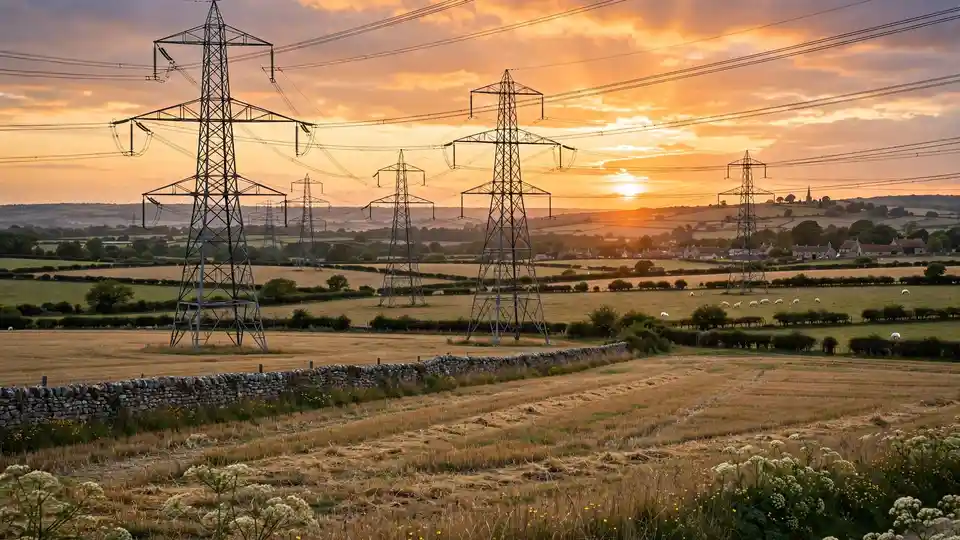
It is not the first warning sign. In March 2026, the Guardian reported the location was still an operational scaffolding yard — not the gleaming hyperscale site of the government press releases. Nscale has since cleared the site, but the power delay had already put its timeline in serious doubt.
Nscale: committed, and looking elsewhere
Nscale said it remains committed to the Loughton project and to the United Kingdom, and is exploring alternative power sources for the site as well as other expansion sites in the country. It described the situation as a London-wide grid issue with no impact on its other contracts, and said its relationship with Microsoft "remains strong and long-term."
That framing is partly true. Microsoft remains involved in another Nscale project in Norway, so the break is limited to Loughton rather than the wider relationship. But the loss still hurts: Microsoft was Nscale's only publicly announced customer, and losing the anchor tenant of its flagship site complicates a planned Wall Street listing that Nscale hopes could value the company at $35bn (£26bn).
Why it matters
The collapse of a flagship deal raises hard questions about Britain's sovereign AI ambitions. Nscale, which is backed by Nvidia, had positioned itself as Britain's sovereign datacentre provider; losing an anchor tenant undermines that narrative just as investor scrutiny of AI infrastructure economics is intensifying.
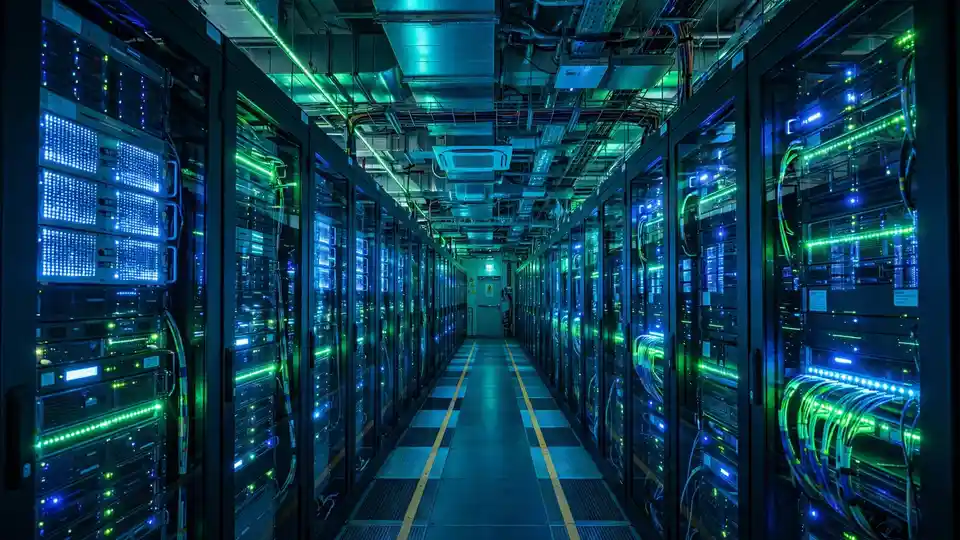
The deeper signal is the one Sam Bowman captured while sharing the story: "Billions of pounds lost on a single project because we can't connect it to the grid for half a decade." Britain's AI compute buildout is running into a wall that money alone cannot fix — the electricity grid. Whether Nscale finds alternative power or alternative tenants, the Loughton saga is now the industry's clearest case study of what happens when data-centre ambition outruns the wires.
Frequently asked questions
Why did Microsoft pull out of the Loughton datacentre?
Power supply concerns. Microsoft informed Nscale it was ending its anchor-tenant agreement after grid officials said the Loughton site would not get a power supply until the 2030s — the Guardian had reported in September 2026 that a grid connection could be delayed until the early to mid-2030s.
Is the Loughton project dead?
Not according to Nscale, which says it remains committed to the Loughton project and the United Kingdom, is exploring alternative power sources for the site alongside other UK expansion sites, and that the London-wide grid issue has no impact on its other contracts. Microsoft also remains involved in a Nscale project in Norway.
How big was the planned datacentre?
It was announced in 2025 and billed by UK ministers as the country's largest sovereign AI datacentre, planned for more than 23,000 NVIDIA GPUs. Microsoft had said its partnership with Nscale would create the UK's largest supercomputer at Loughton. Nscale, which is backed by Nvidia, aims to float on Wall Street at a potential $35bn (£26bn) valuation.