Naver signs its $9B Brookfield AI infrastructure deal, clearing the way for Nvidia's $1B stake
Naver has signed the computing-infrastructure contract that unlocks Nvidia’s planned $1 billion investment: a deal with Brookfield worth up to $9 billion by 2028 that moves the Korean internet giant’s sovereign AI factory project from plan to execution.
- Who: Naver, the South Korean internet group, and Canadian asset manager Brookfield.
- What: a computing-infrastructure contract signed October 27, 2026, covering up to $9 billion of AI infrastructure by 2028.
- The vehicle: Brookfield will set up a special-purpose vehicle called Asset Co., funded 100% by Brookfield and consolidated as a Naver subsidiary under Korean IFRS.
- The Nvidia condition: Nvidia’s planned approximately $1 billion (about 1.5 trillion won) strategic investment was conditional on Naver securing at least $9 billion of committed infrastructure financing separate from Nvidia’s money — this contract meets that condition.
- The commercial terms: Naver Cloud will pay infrastructure usage fees linked to business revenue, with a payment guarantee for up to eight years.
- The background: Naver announced its global AI factory plan on June 8, 2026, and the three companies agreed in late July 2026 to build a gigawatt-scale AI factory.
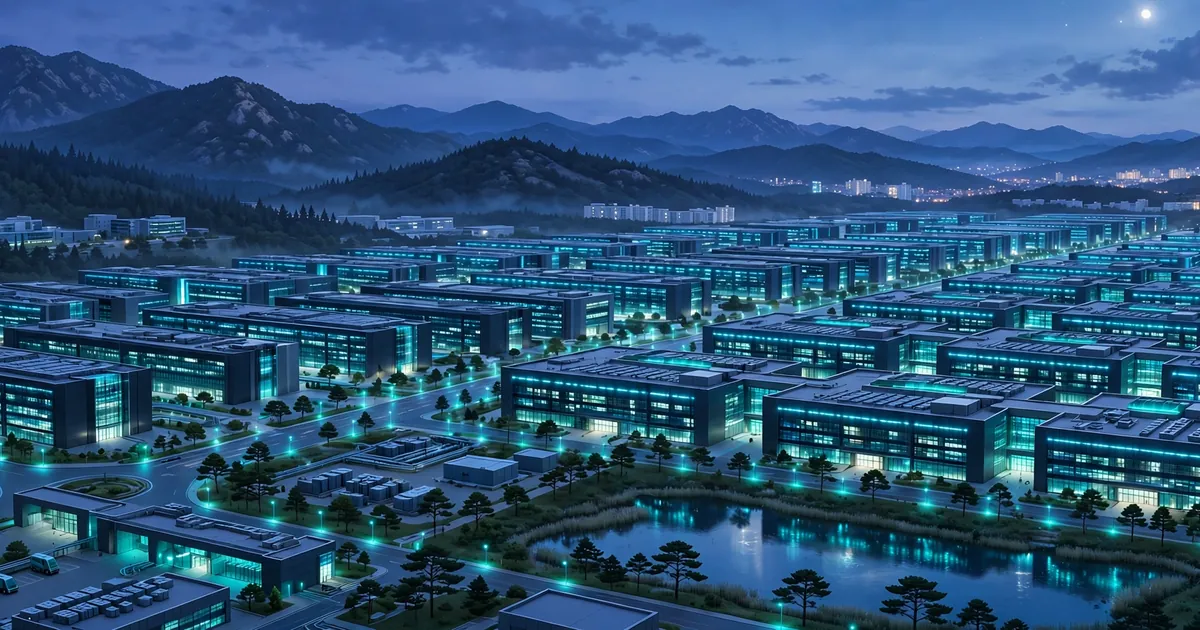
Naver announced on October 27 that it has signed a computing-infrastructure contract with Brookfield, the Canadian asset manager, closing the financing piece its AI factory project has been waiting on since the summer. Under the contract, Brookfield will establish a special-purpose vehicle called Asset Co. to secure and manage AI infrastructure — graphics processing units and data centers — worth up to $9 billion by 2028.
The structure is deliberately light on Naver’s balance sheet. Asset Co. will be funded entirely by a Brookfield investment vehicle, but it will be consolidated as a Naver subsidiary because Naver’s control is recognised under Korean International Financial Reporting Standards. Naver Cloud, the group’s cloud arm, will take the computing resources from the vehicle and operate AI data-center services for external customers, paying usage fees linked to business revenue with a payment guarantee running up to eight years.
Why this signature unlocks Nvidia#
The signature matters less for the $9 billion itself than for what it triggers. When Naver, Nvidia and Brookfield outlined the project in July, Nvidia’s planned $1 billion strategic investment in Naver came with a condition: Naver had to secure at least $9 billion of committed computing-infrastructure financing, separate from Nvidia’s own money. This contract meets that condition, and Naver said it plans to swiftly complete the procedures for a third-party capital increase that would let Nvidia buy in — a stake worth about 1.5 trillion won.
That sequencing explains the timing. Naver announced its global AI factory plan on June 8 and named Brookfield as its exclusive negotiation partner for twelve weeks to formalise the contract. The July agreement set the ambition — a gigawatt-scale sovereign AI factory — and Tuesday’s contract supplies the financing leg it was missing.
Who does what#
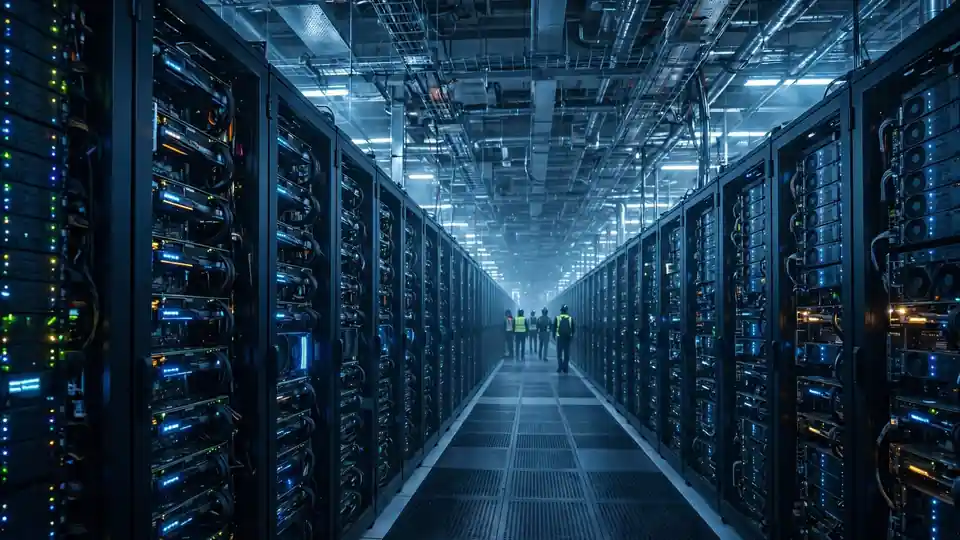
Operations stay with Naver. The company and Naver Cloud will lead the AI factory business, drawing on their experience building and operating large-scale GPU clusters and data centers. Nvidia’s role is on the technology side: supplying GPUs and cooperating on its next-generation high-performance computing platform, DSX, to improve how efficiently the infrastructure runs.
For customers, the pitch is production-scale AI compute without building it themselves. Naver Cloud will offer AI data-center services from the capacity Asset Co. secures — the same sovereign-AI logic behind similar national projects, but with the financing now contracted rather than merely announced.
What to watch#
Two things come next. First, the Nvidia payment procedures: Naver has promised to expedite them, and the terms it discloses will show how large a stake $1 billion actually buys. Second, demand: the infrastructure is now financed, but the project’s economics depend on customers filling it, with Naver Cloud’s revenue-linked usage fees as the mechanism that ties the two together.
Until then, the honest summary is the contractual one: up to $9 billion of infrastructure, a financing condition met, and a $1 billion investment now cleared to proceed.
Sources: Aju Press, DigitalToday, MLex.