Businesses in ChatGPT: OpenAI launches Business Hub and Business Agents in beta
OpenAI launched Businesses in ChatGPT in beta just after 1 p.m. ET today, giving companies a way to claim their profile inside the chatbot used by 1.2 billion people a week — and to answer customers directly through a Business Agent.
What we checked: OpenAI’s own announcement, “Introducing Businesses in ChatGPT”, published this afternoon, cross-checked against Adweek’s report from 1:00 p.m. ET.
- What: Businesses in ChatGPT — Business Hub plus Business Agents, launched in beta.
- When: announced November 10, 2026, just after 1 p.m. ET.
- Reach: 1.2 billion people use ChatGPT each week, per OpenAI.
- Business Agents: free, live now for eligible ecommerce and online service businesses in the U.S.
- Verification: claim through Business Hub, verified by text or phone call to the business’s main number or by DNS verification; Shopify merchants can connect their store through Business Hub or the Shopify admin.
- Insights: mentions, website clicks and discovery topics — aggregated, and only above privacy thresholds; no user conversations are shared.
The launch in one table#
Three products ship under the Businesses in ChatGPT banner. Here is how they differ:
| Product | What it does | Who gets it | Cost |
|---|---|---|---|
| Business Hub | Claim and manage a business profile, add product feeds with pricing and availability, see mentions, clicks and discovery topics | Any eligible business where ChatGPT is available | No price announced |
| Business Agents | An AI agent that answers customer questions using the business’s own information, in a chat clearly labeled and separate from the main conversation | Eligible ecommerce and online service businesses in the U.S. | Free |
| Sponsored Agent placement | A Business Agent used as the destination for ChatGPT Ads | Advertisers | Paid |
Business Hub: claim it, correct it, watch it#
In Business Hub, a company claims its organization in ChatGPT and, once verified, updates key details and adds self-service product feeds with pricing and availability. Verification runs by text or phone call to the business’s main number, or by DNS verification. Existing ChatGPT Enterprise customers and advertisers claim through their OpenAI representative; Shopify merchants can connect their store from Business Hub or the Shopify admin, and eligible Shopify products are already integrated through Shopify Catalog.
The second half of the Hub is measurement — the first time brands get official numbers on how they show up in ChatGPT. Business Hub reports how often ChatGPT mentions a business, how many website clicks it receives, and the discovery topics — common themes across conversations where its website is cited. The catch for small businesses: insights are aggregated and only appear once there are enough conversations to clear a privacy threshold, and OpenAI says it never shares users’ conversations or Business Agent chats with businesses.

OpenAI’s demo video walks a fictional toy shop through the flow: claim the profile, upload a product feed, then let the agent recommend a travel drawing kit and a watercolor set when a shopper asks for a gift under $30 for a six-year-old who loves drawing. “We’ve heard lots of feedback from the market about the desire to give information to ChatGPT to influence how a business shows up more accurately and to better support consumers in their customer journey,” said Benji Shomair, OpenAI’s VP of monetization, in a press briefing.
Business Agents: the shopkeeper inside the chat#
After claiming, eligible organizations can build, test and launch a Business Agent. When a business appears in a model response, people can click through to its ChatGPT profile; if an agent is available, they can choose to start a conversation with it — to compare two options, say, or ask which features fit their needs — using the business’s own information. The agent chat is clearly labeled, separate from the customer’s original ChatGPT conversation, and distinct from ChatGPT’s independent answers.
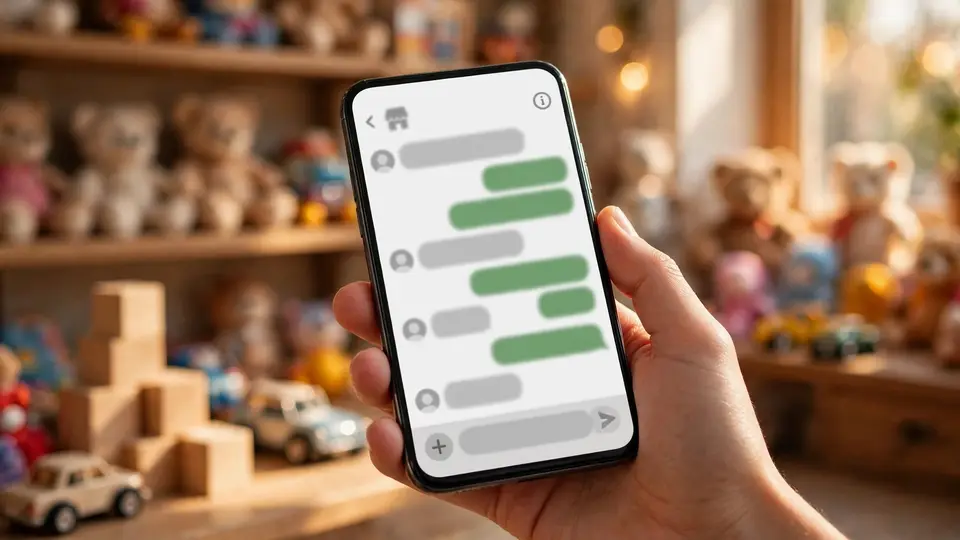
The agents themselves are free. The paid product is the sponsored agent: businesses can sponsor their Business Agent and use it as the destination for ChatGPT Ads, with sponsored placements clearly labeled and separate from ChatGPT responses.
Sponsored placements: the paid lane#
The ads layer is where this becomes a business line, not just a directory. OpenAI said in October that more than 100,000 advertisers had already run campaigns in ChatGPT since the advertising service launched. A sponsored Business Agent gives those advertisers a destination that can actually hold a conversation — and gives OpenAI a reason for businesses to keep their product feeds fresh.
One limit survives the launch: businesses still cannot control how often they are recommended inside the core ChatGPT experience, which OpenAI says maintains objectivity. Shomair’s argument is that having more accurate business information could help a company show up in “more of the right places” anyway. Multi-unit businesses will have to wait — features for them are still being built out.
The verdict: profiles are the table stakes, agents are the bet#
Profiles and analytics are table stakes — Google has offered business profiles for years, and a cottage industry of GEO startups already sells brands data on how they appear in AI answers. OpenAI’s own tool now competes directly with those startups. The bet is the agent: a free, labeled way for a business to talk to a customer at the exact moment they are comparing options, inside a product 1.2 billion people use weekly.
What to watch: whether small businesses adopt the free agents faster than the GEO consultants now selling them the same visibility; whether agents actually convert browsers into buyers; and how fast OpenAI expands Business Agents beyond US ecommerce and online services to more markets and categories.
Frequently asked questions
What is Businesses in ChatGPT?
A beta program OpenAI announced on November 10, 2026. Business Hub lets companies claim their ChatGPT profile, correct their details, add product feeds and see aggregated insights; Business Agents let eligible businesses answer customer questions inside ChatGPT.
Who can launch a Business Agent now, and what does it cost?
Eligible ecommerce and online service businesses in the United States. Business Agents are free; businesses can also pay to sponsor their agent as a destination for ChatGPT Ads, with sponsored placements clearly labeled and separate from ChatGPT responses.
What data does a business actually see?
Aggregated insights: how often ChatGPT mentions the business, website clicks, and the discovery topics where it appears. Insights only appear above privacy thresholds, and OpenAI says it does not share users’ conversations or Business Agent chats with businesses.