OpenAI to acquire Pierre Computer, bringing Code Storage and Codex's Trees and Diffs libraries in-house
OpenAI said on November 4, 2026, that it will acquire Pierre Computer Company, Inc., the developer-tools company behind Code Storage and the open-source Trees and Diffs libraries already running inside its Codex app. The deal turns a supplier OpenAI already depends on into part of Codex itself — and it is a bet that the Git layer underneath coding agents matters as much as the model writing the code.
- Who and when: OpenAI announced on November 4, 2026, that it will acquire Pierre Computer Company, Inc.
- What Pierre makes: Code Storage, plus the open-source Trees, Diffs and Highlights tools. Trees and Diffs are already used in the Codex app.
- The plan: Code Storage features and functionality will be brought into Codex. Customers can keep using Code Storage after the acquisition closes while the integration proceeds.
- Terms: no price disclosed. The deal is subject to customary closing conditions, including regulatory approvals, and the companies remain separate and independent until closing.
- Open-source commitment: Pierre’s open-source projects will remain open source, and OpenAI says it will keep contributing to them.
- Context: in a November 2 engineering post, OpenAI described Pando, its in-house Git backend, reporting median push latency down nearly 80% and nearly a petabyte of Git data served per day.
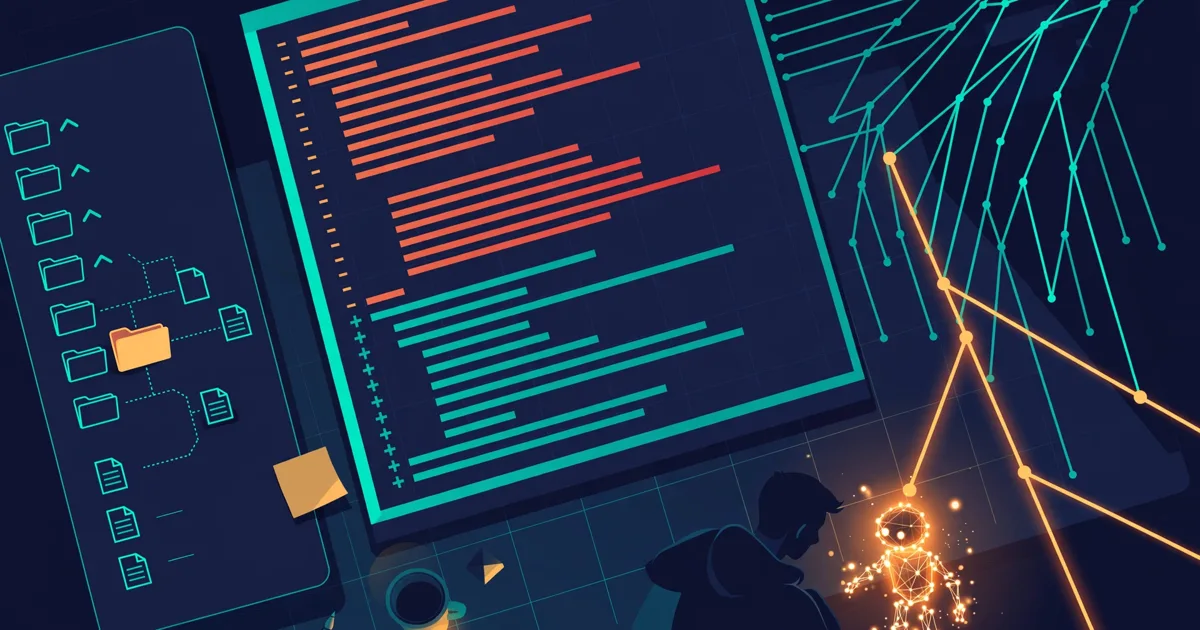
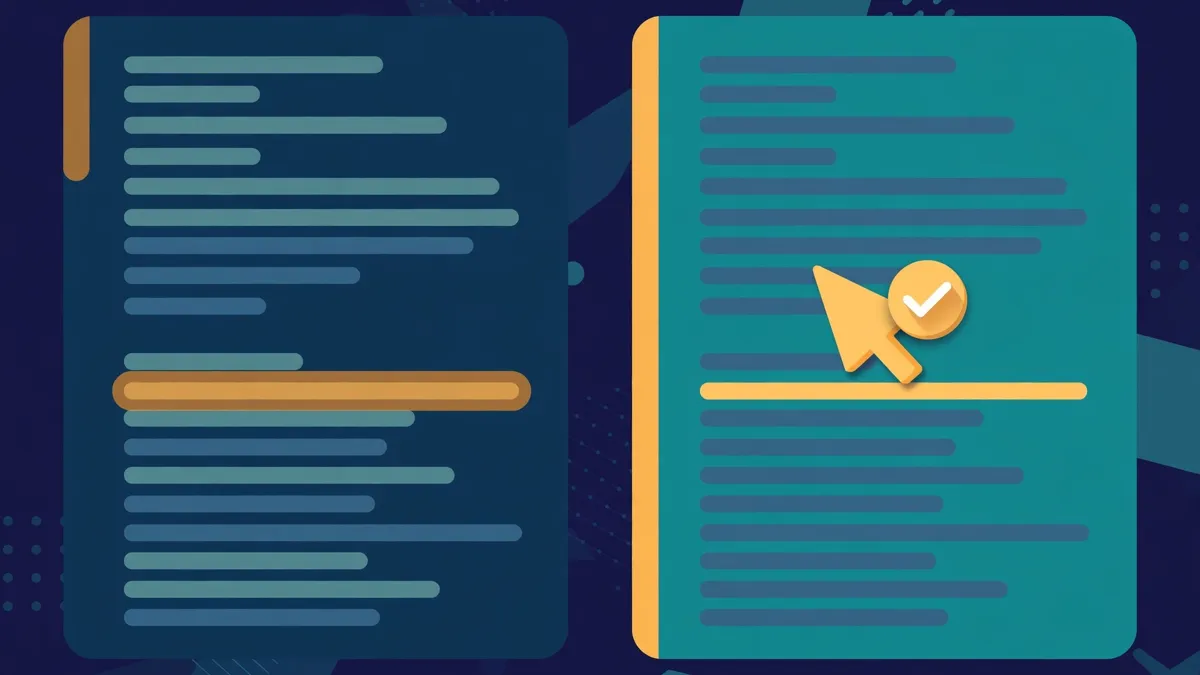
According to OpenAI’s announcement, Pierre is the company behind a family of open-source developer tools — and anyone who has browsed files or reviewed a change in the Codex app has already used two of them. Trees handles file navigation for large projects, and Diffs shows what changed, with an Edit mode that lets a reviewer fix a line where the problem appears. A third tool, Highlights, is a recently released syntax highlighter that OpenAI describes as extremely fast, updating as a developer types or an agent streams code. The fourth piece is Code Storage, a service that lets apps store code and track its history using Git, with an API Pierre designed for machines. Let’s Data Science summarised the four pieces from OpenAI’s announcement.
Code Storage is the commercial product at the centre of the deal. Pierre describes it as a distributed storage system built on Git, able to hold generated code and other files that change over time, including agent memory files, design artifacts and legal documents. Applications can create and manipulate repositories through the native Git protocol or software development kits, and Pierre names Lovable, Poke, Anything, Bolt, Amp and Parahelp among the service’s users. It synchronises with GitHub, GitLab and Bitbucket, and offers TypeScript, Python and Go SDKs plus webhooks. Unite.AI reported the product details from Pierre’s own site. Its published specifications stress machine-scale work: 30 or more concurrent writes, repositories as large as 32TB, and Git LFS support.
That is what makes the purchase different from buying a speculative technology. The components are already in production inside Codex, so the deal is about control and speed rather than discovery: owning the code removes a dependency, and owning the team removes the risk that a supplier changes direction. OpenAI has been pushing Codex hard in recent weeks — its Codex chief set a 28-day clock of a daily improvement or a usage reset — and Pierre’s libraries sit in the part of the product every user touches.
Why the Git layer, and why now
Two days before the announcement, OpenAI described the other half of this story itself. In a November 2 engineering post summarised by Unite.AI, it introduced Pando, its in-house backend for Git repositories that powers all development in its monorepo while retaining Git protocol and client compatibility. Codex had let engineers do more work in parallel — more branches, pushes, merges, fetches and clones — and the earlier monorepo systems answered with slow fetches and pushes, failed merges, and reliability at times below 90%. Pando coordinates updates to each branch independently and reuses packfiles, Git’s compressed collections of objects, across fetches instead of building one per client.
OpenAI reports that switching to Pando reduced median push latency by nearly 80% and that the system delivers nearly a petabyte of Git data per day. Pando moved from kickoff to production in 10 weeks using Codex and began serving production traffic in April 2026. OpenAI framed the ambition behind both moves in the Pierre announcement: “we wish to set the standard for modern software development: from the first branch an agent creates to that magic moment when code is deployed to the world.” Once the deal closes, it added, “our ambition is to advance the future of source control across the industry.”
The logic is straightforward. Agents do not work on one open file the way early coding assistants did: they clone, branch, edit many files, run commands and propose changes as a unit, and every step produces state that needs to be stored, compared and rolled back. As coding agents get faster and cheaper — Cognition’s SWE-2 Flash, announced the same day, runs three times faster at one-fifth of the price of SWE-2 — the review and storage load on teams only grows, and the layer that holds the work becomes part of the product.
What stays the same — and what is not settled
For current users, the announcement carries two commitments. Pierre’s open-source projects will remain open source, and OpenAI says it will keep contributing to them. Code Storage customers can continue using the service after the acquisition closes, while OpenAI works to bring its features and functionality into Codex. Neither commitment sets a long-term roadmap: the announcement does not discuss licensing for the open-source projects, and it sets no timeline for how long Code Storage stays a standalone service as its features move into Codex. Tech Insider separated the announcement’s confirmed content from what it leaves out.
The deal terms are equally spare. There is no price, no employee count, no closing date and no product timeline. Closing is subject to customary closing conditions, including regulatory approvals, and until then OpenAI and Pierre will remain separate and independent companies. Axios framed the deal as OpenAI targeting Microsoft’s GitHub; OpenAI’s announcement never names GitHub. GitHub still holds the repositories, pull-request history, issue trackers and habits of a very large developer base, and it made Copilot Fusion and Agentic Workflows generally available at Universe — a reminder that the incumbent is moving agent workflows into its own platform too.
What to watch now is closing and clearance, the integration timeline into Codex, whether Code Storage remains standalone, and how governance of the Trees and Diffs repositories evolves once OpenAI owns them. None of that is in the announcement. What is settled is narrower, and it is the point of the deal: the file browser and the diff reviewer inside Codex already ran on Pierre’s code. From here on, they run on OpenAI’s.
Frequently asked questions
What is Pierre Computer, and what is OpenAI acquiring?
Pierre Computer Company, Inc. is the developer-tools company behind Code Storage and the open-source Trees, Diffs and Highlights tools. Trees handles file navigation and Diffs shows what changed in the Codex app, where both are already used. OpenAI plans to bring Code Storage features and functionality into Codex.
Will Code Storage shut down, and will the open-source tools stay open?
Not at closing, according to the announcement: Code Storage customers can keep using the service after the acquisition closes while OpenAI integrates its features into Codex. Pierre’s open-source projects will remain open source and OpenAI says it will keep contributing to them, though no long-term timeline or licensing detail was given.
Has the acquisition closed?
No. OpenAI announced on November 4, 2026, that it will acquire Pierre, subject to customary closing conditions including regulatory approvals. The companies remain separate and independent until closing, and the price, closing date and product timeline were not disclosed.