Perplexity Teammates: persistent AI agents that own your ongoing work, for $200 a month
Perplexity launched Teammates on November 5, 2026, a set of persistent AI agents that take on ongoing work instead of waiting for the next prompt — planning projects, monitoring them as they change, and bringing results back for review. They roll out today to Max subscribers on the web, for $200 a month.
- Who: Perplexity, led by chief executive Aravind Srinivas.
- What: Teammates — persistent personal AI agents for ongoing work, built on Perplexity Computer.
- When: Launched November 5, 2026; rolling out today on the web.
- Who gets it: Perplexity Max subscribers, at $200 a month; Free and Pro users must upgrade. iOS is coming soon, with native mobile and desktop apps to follow.
- How they work: Each teammate gets a role, standing instructions and rules for when to escalate. It inherits your Projects, Memory, Skills, connectors and files, and runs in its own isolated desktop and browser, with separate sessions and cookies.
- The deal: Teammate usage is free during a promotional period, then draws on the credits included in a Max plan.

Perplexity announced Teammates on November 5, 2026, and chief executive Aravind Srinivas put the pitch in a single post on X: “They are personal agents for work. And change the paradigm from writing prompts in a session to giving high-level goals.” The idea is standing responsibility: instead of a session that ends when the job ends, you give a teammate a job — a growth campaign, a bug queue, a metrics dashboard — and it keeps working on it.
That persistence is the difference from Computer, Perplexity’s multi-model agent platform, which launched in February. Computer ran jobs in temporary sessions that vanished when the work was done. Teammates stick around: each one keeps a persistent thread in the sidebar, remembers project goals, task history and shared files across runs, and learns from corrections. Perplexity’s example is an operations teammate told an agency needs two weeks’ notice, which then factors that lead time into future schedules. Perplexity built its name on AI search; Teammates is its move from answering questions to owning the work that follows.
What a teammate actually does
You give a teammate a role, standing instructions, and rules for when to ask a human. Perplexity suggests roles like an on-call engineer, a legal research assistant or a storefront manager. From there it plans the work, pulls in more agents when the job grows, and brings results back for review. It can investigate an issue, research a market, or test improvements to a product — and it monitors work on its own, acting when something changes instead of waiting for a fresh query. Perplexity’s example: a sales teammate notices a regular customer has stopped transacting, reviews the order history and support issues, then drafts a relevant offer or flags the problem before reaching out.
In Perplexity’s demo, an ads teammate spots creator ads beating the customer-acquisition-cost target, prepares a bigger campaign, and sends the contract extension to the legal team — and the brand director tells it to do that every time without asking next time. The work spans the usual business functions: marketing teammates manage social posts, email campaigns, ads, search optimisation and review notes, and draft fixes when results slip; a sales teammate works inquiries, past purchases and unfinished conversations, preparing outreach and quotes; customer support teammates review the previous day’s complaints, summarise trends, and flag the cases that need a personal response from the CEO; operations teammates keep deadlines, checklists, vendors and paperwork on track, following up on missing items when a deadline is 72 hours away.
How to set one up — and where it runs
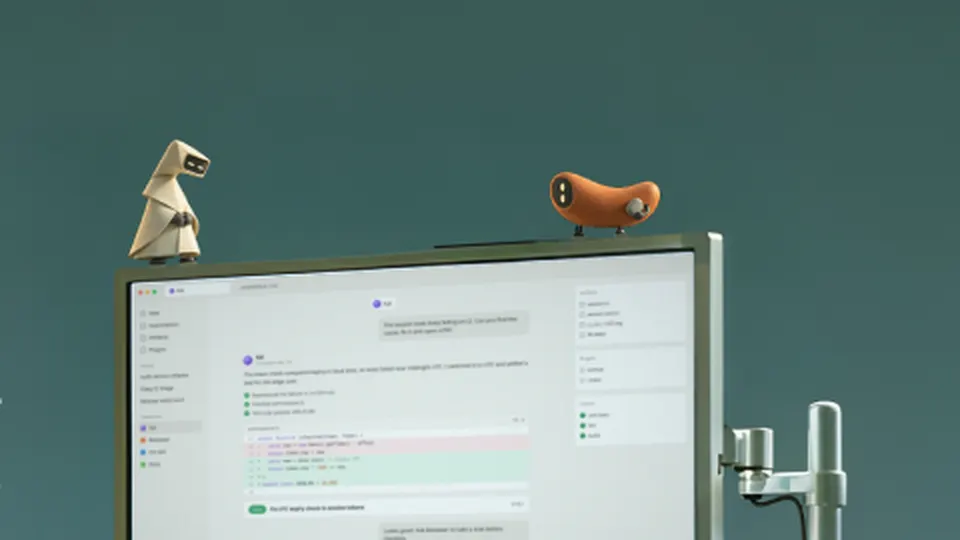
Setup runs through the web: sign in, select Teammates in the left navigation, name the teammate for the project it will own, connect the tools it needs — Slack, GitHub or Gmail plugins, choosing which repositories it can reach — then describe the work, assign it to a project, and give it an initial task, such as researching a market or investigating bugs. Each teammate runs in its own isolated environment, with a separate desktop and browser session and its own cookies; saved credentials are encrypted and entered securely, and you can review its work, take over its desktop, or redirect it mid-task.
Teammates also work across teams. Add one to a Slack channel and colleagues can hand it work or ask for updates; it watches the channel and acts when something changes. Teammates can pass work to each other, too — one finds bugs on a website and hands its findings to another to prepare the fixes.
The $200 question
Teammates are available now on the web to Max subscribers, at $200 a month; Free and Pro users have to upgrade. Perplexity says iOS is coming soon and native mobile and desktop apps will follow. Teammate usage is free during a promotional period — Perplexity hasn’t said how long it lasts — and after that it draws on the credits included in a Max plan.
The launch lands in a crowded race. OpenAI’s Dots, Microsoft’s Copilot Cowork and Anthropic’s Claude Duet are chasing the same idea — agents with standing jobs rather than one-off answers — and Salesforce expanded Agentforce Coworker the same day, across Teams, mobile and desktop. Perplexity’s bet is that persistence plus memory is the differentiator: agents that already know your projects, skills and files, and keep working between prompts.

Why it matters
The shift here is from prompts to responsibility. A teammate that remembers what it did yesterday, notices when a customer goes quiet, and escalates only when a decision needs a human is a different product from a chatbot that answers and forgets. Whether the model holds depends on the details Perplexity hasn’t published yet — how long the free promotional period lasts, how fast the credits burn when a teammate monitors work around the clock, and how the escalation rules behave when the work gets ambiguous. Perplexity says it will expand Teammates’ access and features in the coming weeks; the first test is whether Max subscribers find a $200-a-month coworker worth keeping on staff.
Frequently asked questions
What are Perplexity Teammates?
Teammates are persistent AI agents, launched by Perplexity on November 5, 2026, that take on ongoing work. Each one gets a role, standing instructions and rules for when to escalate, inherits your Projects, Memory, Skills, connectors and files from Perplexity Computer, and keeps working — planning, monitoring and following up — until the result is ready for review.
How much do Perplexity Teammates cost, and who can use them?
Teammates are available to Perplexity Max subscribers, which costs $200 a month; Free and Pro users must upgrade. They are rolling out now on the web, with iOS coming soon and native mobile and desktop apps to follow. Usage is free during a promotional period, then draws on the Max plan’s monthly credits.
How are Teammates different from Perplexity Computer?
Computer, launched in February 2026, runs complex projects in temporary sessions that vanish when the job is done. Teammates build on Computer but persist: they keep a standing thread, remember project goals and past work, monitor for changes on their own, coordinate with other teammates, and work in Slack channels — owning a job rather than completing a single task.