Sabi raises $50M from Khosla to turn a baseball cap into a brain-AI interface
Khosla Ventures leads a $50 million seed round for Sabi, whose baseball-cap EEG sensors read neural signals through hair to translate imagined speech and intent into AI commands — no surgery, no gel. A prototype debuts at CES 2027.
Sabi today announced a $50 million seed round led by Khosla Ventures to build a brain-AI interface designed for everyday wear. The round also drew Accel, Initialized Capital, former OpenAI chief product officer Kevin Weil, DST Global, Collaborative Fund and Ascend. It is an unusually large seed bet — and the pitch is that the next computing interface won't be a keyboard at all.
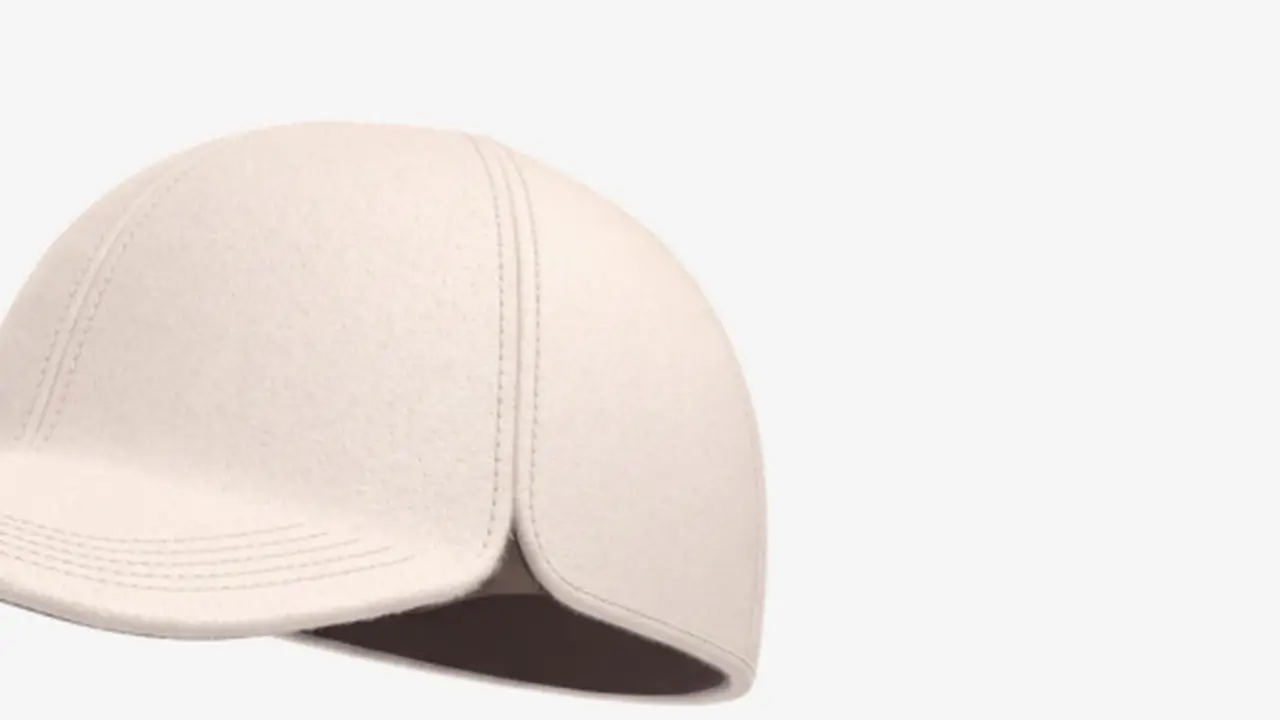
Sabi's first product looks like an ordinary baseball cap. Sensors hidden inside it read neural signals through hair without gel, surgery or direct contact with the scalp. The company is developing the cap to translate imagined speech and intent into commands for AI: think words on a screen without typing or speaking, or a trained mental command that becomes an instruction to an AI assistant.
The premise is simple. AI systems can now write, research and take action, but people still direct them through keyboards, touchscreens and voice. Implantable interfaces capture far richer neural activity, but surgery prevents them from becoming an everyday input method. Sabi is betting on the non-invasive middle: wearable hardware that works outside the laboratory.
A custom chip and a Brain Foundation Model
The cap runs on Sabi's own EEG chip, with sensors measuring between one and five millimeters that are designed to capture signals through hair across a gap of up to five millimeters. In internal benchmarks, the company says the chip is more than 50 times as power-efficient as the Texas Instruments ADS1299, a widely used EEG analog front end — the kind of efficiency gain that lets the electronics fit inside ordinary headwear while limiting heat and electrical noise.
The neural signals are processed by what Sabi calls a Brain Foundation Model, trained on more than 100,000 hours of labeled, non-invasive recordings collected while participants imagined words and performed specific mental tasks. The company believes it is the largest disclosed dataset of its kind. From that data, Sabi is developing three forms of interaction: imagined speech to text (words a user intentionally imagines appear on a connected screen), thought to prompt (a trained mental command becomes an instruction for an AI assistant, like drafting a message or retrieving information), and intent prediction (the system anticipates likely keystrokes or on-screen actions and presents them for the user to complete or confirm).
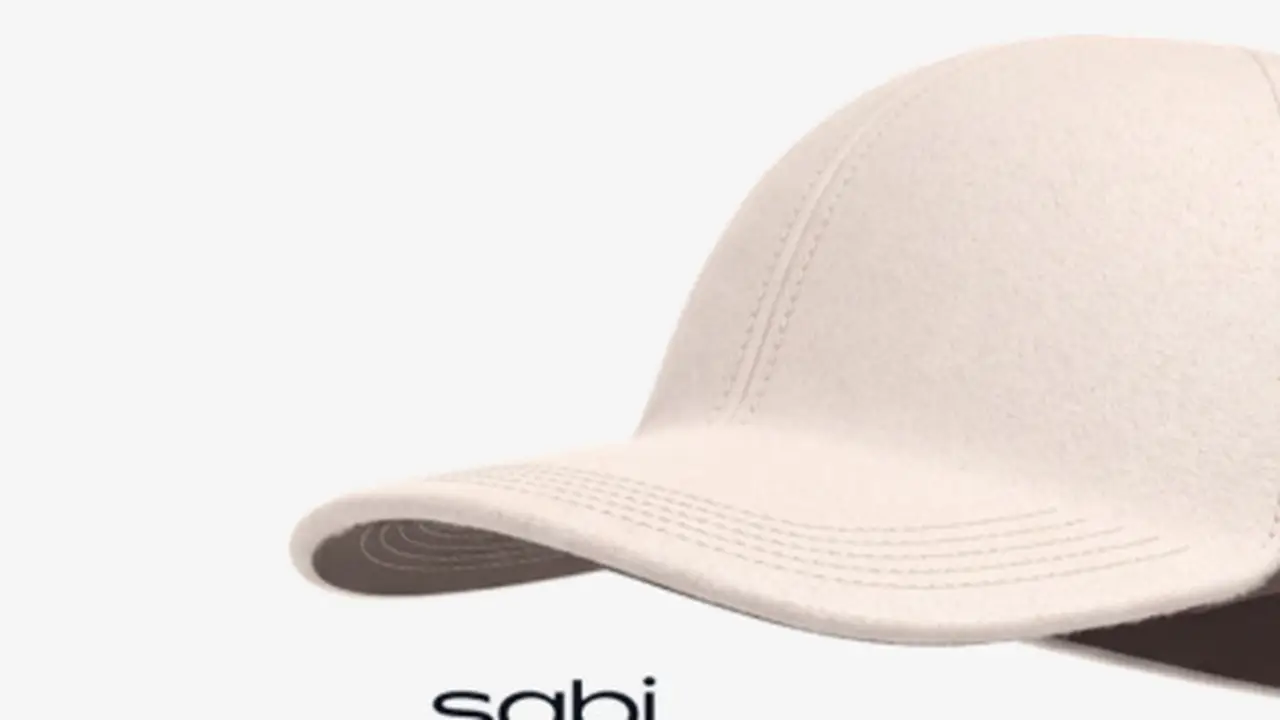
The cap connects to a phone or computer wirelessly, like a pair of earbuds. Sabi plans to demonstrate early versions of the three interactions at CES 2027 in Las Vegas.
The privacy pitch
A device that reads your thoughts raises an obvious question, and Sabi is answering it up front. Neural data is encrypted starting at the sensor, and the system is designed to run inference while that data remains encrypted — so, the company says, its servers never receive a user's unencrypted neural signals. Sabi is also building user controls around when the cap records, which applications may receive commands, and which actions require confirmation before they execute.
Whether encrypted-inference claims hold up under independent scrutiny will matter here more than usual: the company's credibility depends on it, and regulators will want to see evidence, not architecture diagrams.
Who is behind it
Sabi was co-founded by CEO Rahul Chhabra and CTO Atmadeep Banerjee. Banerjee is co-first author of MindEye, the NeurIPS 2023 paper that pushed forward the decoding of viewed images from non-invasive brain recordings — genuine research pedigree for exactly this problem. The wider team includes hardware, machine-learning and design leaders from Kernel, Apple, Microsoft, Meta, Adobe and Nike, alongside neuroscientists from Stanford.
"AI can write, reason and act, yet we still communicate with it by tapping on keyboards and screens," Chhabra said in the announcement. "We are building a faster interface that does not require surgery or a laboratory. The goal is a cap people can wear in ordinary life and use when they intentionally want to communicate with AI."
Vinod Khosla, founder of Khosla Ventures, put the thesis bluntly: "You cannot perform a billion brain surgeries to replace a billion keyboards. Every computing era is defined by its interface. Sabi is building one designed for the age of AI."
What happens next
The funding goes toward expanding the neural dataset, completing the custom chip, manufacturing early devices and growing the neuroscience, hardware and machine-learning teams. Sabi is also preparing units for members of its early-access waitlist — details are on the company's site at sabi.com.
The honest framing: everything here is an announcement-stage claim. The chip benchmarks are internal, the 100,000-hour dataset hasn't been independently audited, and the three interaction modes are demos to come, not shipped features. CES 2027 is the first public checkpoint. But $50 million from Khosla — with Accel and the former OpenAI CPO in the round — is a serious down payment on the idea that the brain is the next keyboard. Coverage is already framing it as a race between non-invasive wearables and surgical implants. January's demo will tell us who is ahead.