TestGrid ONE launches: an AI operating system for quality engineering that runs Selenium, Playwright and Appium suites as written
TestGrid launched TestGrid ONE on November 4, 2026, the successor to TestOS that it calls an AI operating system for quality engineering. Existing Selenium, Playwright, Appium and other suites run as written, with no conversion into a proprietary format — and AI agents sit alongside the real devices and browsers the tests execute on.
- Who and when: TestGrid, based in Atlanta; TestGrid ONE announced November 4, 2026, as the successor to TestOS.
- Five capability areas: AI agents; automation and test management; test infrastructure; insights and reporting; integrations.
- No-conversion frameworks (10): Selenium, Playwright, Appium, Cypress, Espresso, XCUITest, WebdriverIO, Detox, Robot Framework, and CodeceptJS.
- Agents: CoTester generates, executes, and adapts test cases from specifications using vision-language intelligence, with human approvals and traceability; AgentRx self-heals UI tests by detecting interface changes and repairing locator logic.
- Integrations and deployment: More than 100 integrations; runs triggered from Jenkins, GitHub Actions, GitLab, and Azure DevOps, with results sent to Jira, TestRail, and Slack; private dedicated cloud, on-premises, and hybrid deployment, with support for air-gapped environments.
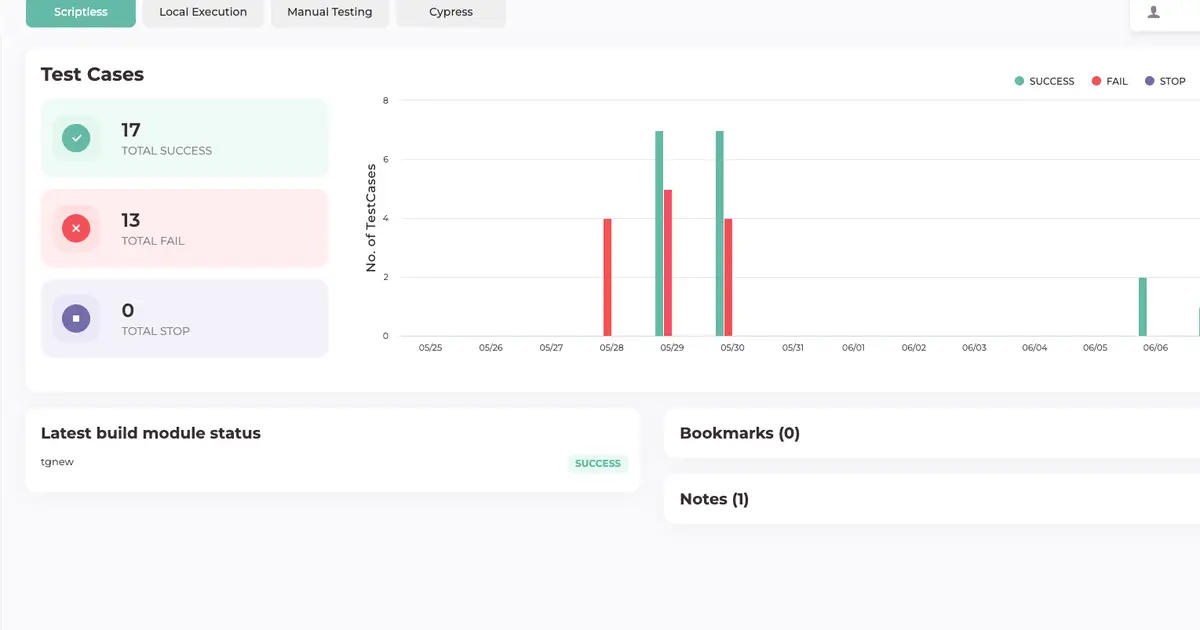
TestGrid launched TestGrid ONE on November 4, describing it as the successor to TestOS and an AI operating system for quality engineering. TestOS already covered automation, real-device and browser testing, APIs, performance testing, reporting, and DevOps integrations; TestGrid ONE expands that platform across five capability areas: AI agents, automation and test management, test infrastructure, insights and reporting, and integrations.
The headline for teams with existing test suites is continuity. TestGrid says Selenium, Playwright, Appium, Cypress, Espresso, XCUITest, WebdriverIO, Detox, Robot Framework, and CodeceptJS suites run on TestGrid ONE as written, with no conversion into a proprietary format. Teams keep those assets and extend where and how they execute. The platform also supplies the infrastructure underneath: physical iOS and Android devices, plus Chrome, Firefox, Safari, and Edge browser coverage. Enterprises with their own device labs can add TestGrid-hosted capacity for combinations they do not maintain themselves and govern hosted and customer-owned resources from one console.
The agents: CoTester writes the tests, AgentRx keeps them alive
AI agents are a dedicated capability inside the platform rather than a separate product. CoTester generates, executes, and adapts test cases from specifications using vision-language intelligence, with human approvals and traceability built in. AgentRx provides self-healing for automated UI tests: it detects interface changes during execution and repairs broken locator logic as applications are updated — the failure mode that quietly turns a passing suite red after an otherwise routine release.
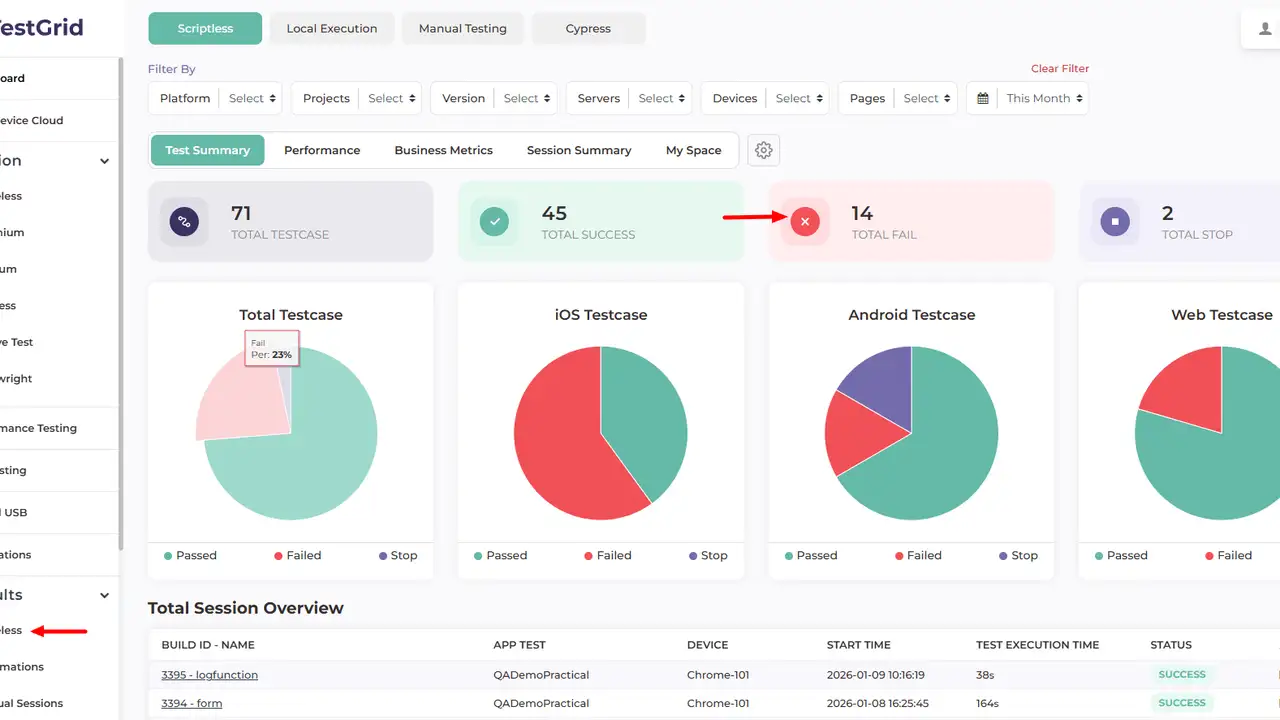
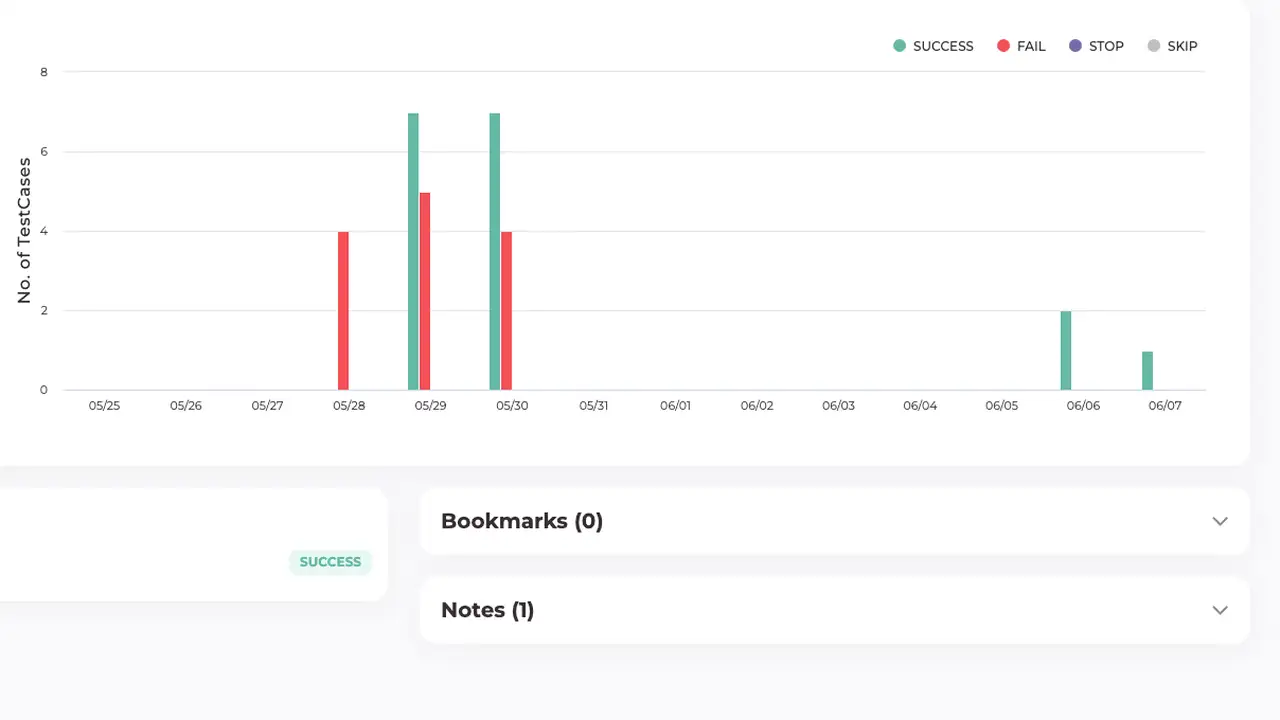
Additional agents cover mobile, accessibility, visual regression, and cross-browser testing, along with root-cause analysis, bug description, change impact analysis, scheduling, DevSecOps, and infrastructure provisioning. When a test fails, TestGrid ONE captures session video, screenshots, logs, crash reports, and network traffic, and engineers can inspect the failure with Appium Inspector, ADB, or browser developer tools. That evidence trail is the practical counterpart to the agent pitch: generated and repaired tests are only useful if a human can see exactly what happened when one fails.
Coverage, deployment, and the toolchain it plugs into
Test coverage spans web and mobile applications, APIs, performance, visual and accessibility validation, and audio, and extends to enterprise applications including Salesforce, SAP, ServiceNow, and Microsoft Dynamics, as well as connected systems and IoT environments. Deployment options include private dedicated cloud, on-premises, and hybrid models, with support for air-gapped environments. Secure tunneling extends testing to localhost, staging, VPN-protected, and internal applications, while MDM and Virtual USB support managed-device and hardware-dependent workflows.
More than 100 integrations connect TestGrid ONE with the wider delivery toolchain. Test runs can be triggered from Jenkins, GitHub Actions, GitLab, and Azure DevOps, with results sent to tools including Jira, TestRail, and Slack. “We have always believed testing infrastructure and testing software should operate as one system,” said Harry Rao, Founder and CEO of TestGrid. “AI agents extend that idea much further. With TestGrid ONE, enterprises can apply specialized agents alongside the infrastructure, automation, evidence, and workflows their teams already rely on, giving quality engineering a foundation that can evolve as software development changes.”
What the launch does not settle
The announcement is a platform launch, not a benchmark: it names no pricing, no customer deployments, and no measured results for the agents. “AI operating system” is TestGrid’s framing for unifying agents, automation, and infrastructure in one console, and the agent claims — including how often AgentRx repairs a test correctly rather than masking a real regression — are the company’s, unmeasured by any independent test in the release. The checkable facts are the scope: ten frameworks without conversion, the named agents and their roles, the deployment models, and the integrations list. For teams drowning in brittle UI suites, the self-healing claim is the one to trial first — against their own flakiest tests, where a wrong repair shows up immediately. The same discipline applies elsewhere in agent-assisted testing: turning production failures into regression tests only earns trust when the failures are captured faithfully, as in Klarent’s agentic QA approach, which keeps AI writing tests while humans keep the run decision, and in quality gates that make a coding agent prove its work before code ships.
Frequently asked questions
What is TestGrid ONE?
TestGrid ONE is TestGrid's AI operating system for quality engineering, launched November 4, 2026 as the successor to TestOS. It spans five capability areas — AI agents, automation and test management, test infrastructure, insights and reporting, and integrations — pairing agentic test creation and maintenance with the real devices and browsers tests run on.
Do teams have to rewrite their existing tests for TestGrid ONE?
No. TestGrid says Selenium, Playwright, Appium, Cypress, Espresso, XCUITest, WebdriverIO, Detox, Robot Framework, and CodeceptJS suites run as written, with no conversion into a proprietary format, and teams keep their existing test assets.
What do CoTester and AgentRx do?
CoTester generates, executes, and adapts test cases from specifications using vision-language intelligence, with human approvals and traceability. AgentRx self-heals automated UI tests by detecting interface changes during execution and repairing broken locator logic as applications are updated.