XPENG’s VLA 2.0 takes European roads: the G9L lands at €74,990 with Europe’s first NGP test rides
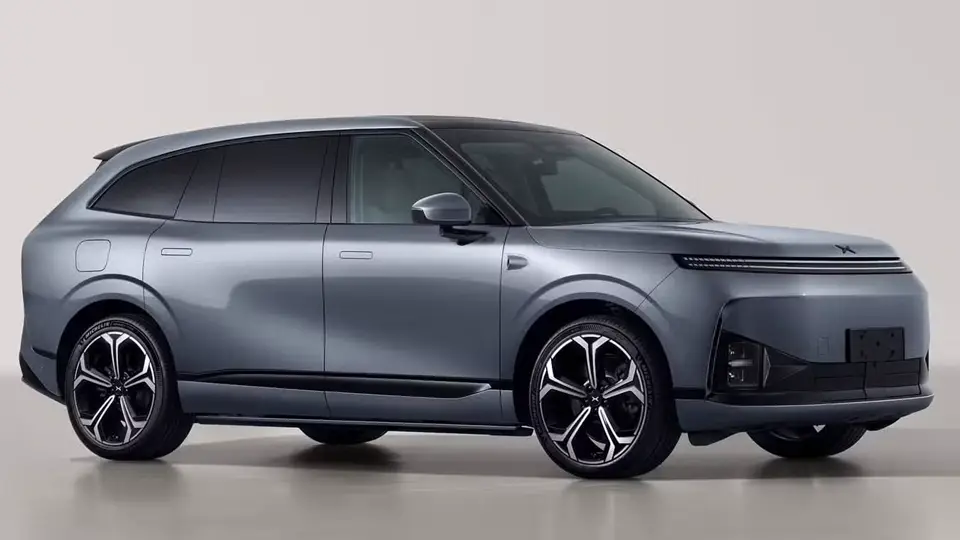
XPeng launched the G9L “Next-Gen AI Flagship SUV” in Europe at the Paris Motor Show, with French pricing from €74,990 — and opened the first large-scale public test rides of its VLA 2.0-powered Next Generation Pilot on European roads.
XPeng Inc. announced today the official European launch of the G9L Next-Gen AI Flagship SUV at the 2026 Paris Motor Show, with French pricing starting from €74,990. The company framed the launch around three priorities: bringing the G9L to European users, introducing its Next Generation Pilot (NGP) driving software to European roads, and opening its AI and vehicle-engineering capabilities to global automotive partners.
The showpiece, though, is not the SUV — it is the software. XPENG’s NGP is powered by VLA 2.0, a vision-language-action model running on the company’s proprietary Turing AI chips. The model retains up to 30 seconds of contextual information and predicts how a scenario may unfold up to six seconds ahead, with what the company calls 4D spatiotemporal understanding and generalization across unfamiliar roads and scenarios. At Paris, XPENG is holding what it describes as NGP’s first large-scale test-ride appearance in Europe — putting attendees through Paris roundabouts, narrow streets, motorcycle traffic, pedestrian crossings and complex right-of-way situations.
A test against Europe’s hardest driving
NGP is also being showcased in the motor show’s official Autonomous Lab, which is open to public experience — with XPENG one of only two participating automakers, alongside Tesla. That framing is deliberate: European buyers judge driver assistance on the specific chaos of European streets, and a VLA model that remembers half a minute of road context is exactly the kind of claim that needs a live demo to be believed.
XPENG also said it aims to become the first certified automaker in the world to meet UNECE UN Regulation No. 171, Series 02, the global rulebook for automated driving systems — a step it says would support the worldwide expansion of its driving software.
The hardware that carries the software
The G9L itself is built around XPENG’s safety pitch: nine airbags as standard, automatic emergency braking at speeds up to 150 km/h, and stability support following a tire blowout. The company says the model underwent three years of testing across 26 countries and regions, covering more than 6.74 million kilometers. EV variants offer up to 591 km of WLTP range, and the 800V architecture with 5C charging technology delivers a 10% to 80% charge in as little as 11.7 minutes. Following a production trial at Magna in Graz, the G9L is set to become the fourth XPENG model manufactured in Europe.
A “Physical AI Museum” — plus robots and a flying car
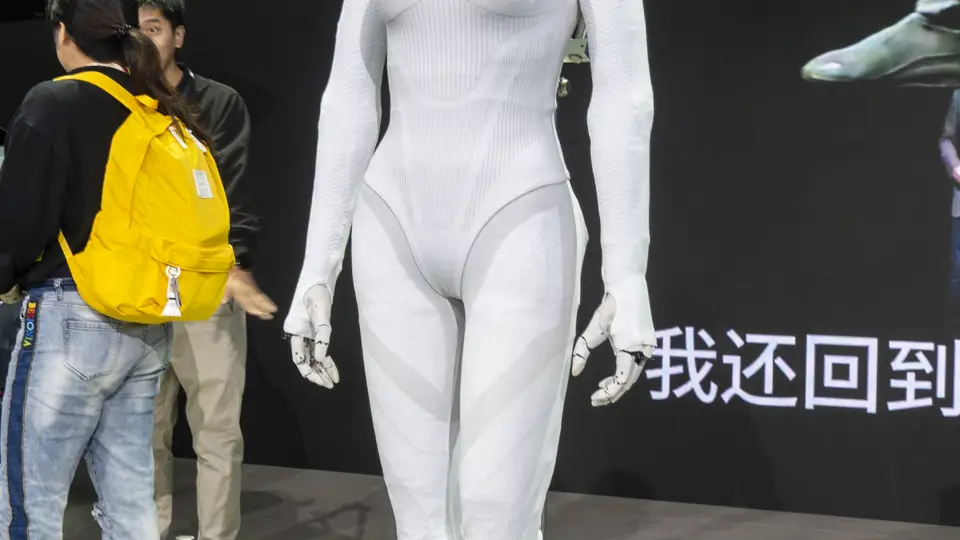
XPENG converted its 1,008-square-meter stand in Hall 6 into a “Physical AI Museum”: 11 vehicles, including the G9L, L03, P7+, G6, G9 and X9, alongside one Land Aircraft Carrier and two IRON humanoid robots — XPENG’s general-purpose humanoid, planned for global rollout in 2027. Dedicated technology areas showcase VLA 2.0 and the Turing AI chip.
The third pillar is commercial: for the first time, XPENG is introducing its AI and vehicle-engineering technology solutions overseas, opening what it calls new opportunities for technical collaboration with global automotive and tech partners. The company now operates across 82 countries and regions, supported by eight R&D centers, six manufacturing bases and 1,283 stores — pitched under the banner “In Europe, For Europe, With Europe.”
Why it matters
This is a Chinese Physical-AI company putting its end-to-end autonomy stack — model, chip and live test rides — in front of European regulators, media and buyers on European roads. The 30-second-memory, six-second-prediction claims are now being judged on Paris roundabouts rather than demo videos. And the UNECE certification bid plus the tech-collaboration offer reveal the real play: selling the software stack, not just the SUV, to the global auto industry. Unite.AI’s coverage has the full breakdown of the launch.