Adobe opens Photoshop and Premiere to rival AI agents — and turns Firefly into a multi-model creative studio
At MAX 2026 in Miami, Adobe said rival AI agents will soon be able to edit native Photoshop, Illustrator, Premiere and After Effects files on your own machine — while Firefly becomes a multi-model studio with its own always-on agents.
- The headline move: local MCP integrations let third-party agents — from OpenAI, Google and Anthropic — work directly in native Photoshop, Illustrator, Premiere Pro and After Effects files; layers, sequences and compositions stay editable. A private beta is planned for early 2027, and no general-availability date has been given.
- Creative Agent: Adobe’s own agent now powers the Firefly AI Assistant (beta) and AI Assistants (beta) in Premiere, Illustrator, InDesign, After Effects, Frame.io and the Photoshop beta app. New: Plan Mode, a Model Selector, reusable brand preferences and Firefly Boards integration.
- Firefly’s new tools: Firefly Design (beta), Firefly Graph (beta) for repeatable workflows, Firefly Builder (private beta) for no-code prototypes, Firefly Video, and always-on agents (preview) for recurring background tasks. Edit Text, Retouch, Relight and Quick Actions are generally available.
- The model shelf: new additions include Dreamina Seedance 2.5, Kling 4.0, GPT Image 2.6 Sunburst and Flare, and Nano Banana 2.1. Topaz Labs, acquired by Adobe in September 2026, contributes upscaling and restoration models.
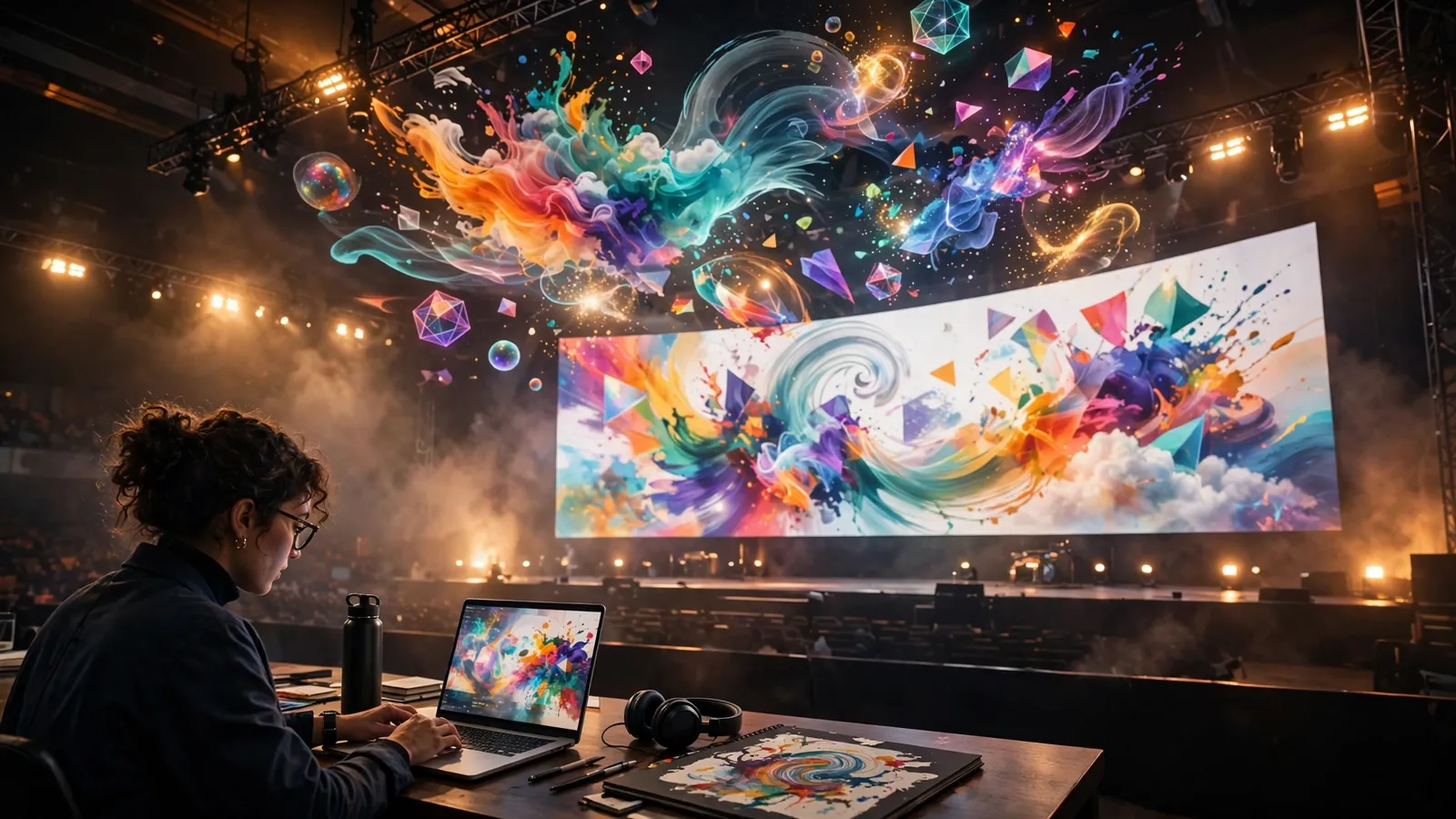
Adobe spent years building its own AI assistant for creatives. At MAX 2026 in Miami Beach on November 10, it made a bigger bet: let everyone else’s agents in too. The company previewed local Model Context Protocol integrations that let third-party AI agents — from OpenAI, Google and Anthropic — edit native files in Photoshop, Illustrator, Premiere Pro and After Effects on a creator’s own computer, with layers, sequences and compositions left editable. At the same time, Firefly stops being a single model and becomes a studio that hosts rivals’ models alongside Adobe’s own.
The headline: your apps, their agents#
The practical promise is simple: ask an agent in ChatGPT, Claude or Gemini to retouch a photo, re-cut a sequence or adjust a layout, and it works on the real file on your machine — not a flattened export. Because layers, vectors and timelines stay editable, a designer or editor can open the file afterwards and finish the job by hand. The agent does a first pass; the human keeps the last word.
Adobe has not said what permissions third-party agents will have, or how far they may match Creative Agent. Adobe vice president Deepa Subramaniam told TechCrunch the company is still deciding where to draw that line. What is confirmed is the scope: the integrations cover Photoshop, Illustrator, Premiere Pro and After Effects, and Adobe connectors already run inside Claude, ChatGPT, Gemini and Slack, with Microsoft Copilot coming soon.
Adobe’s own agent is spreading too. Creative Agent now powers the Firefly AI Assistant in beta, adding a Plan Mode for approving an agent’s plan before it starts, a Model Selector, and reusable preferences for formats, colours, brand guidelines, characters and products. AI Assistants in beta are live in Premiere, Illustrator, InDesign, After Effects, Frame.io and the Photoshop beta app, and Creative Agent now works in Firefly Boards too.
Firefly becomes a studio, not a model#
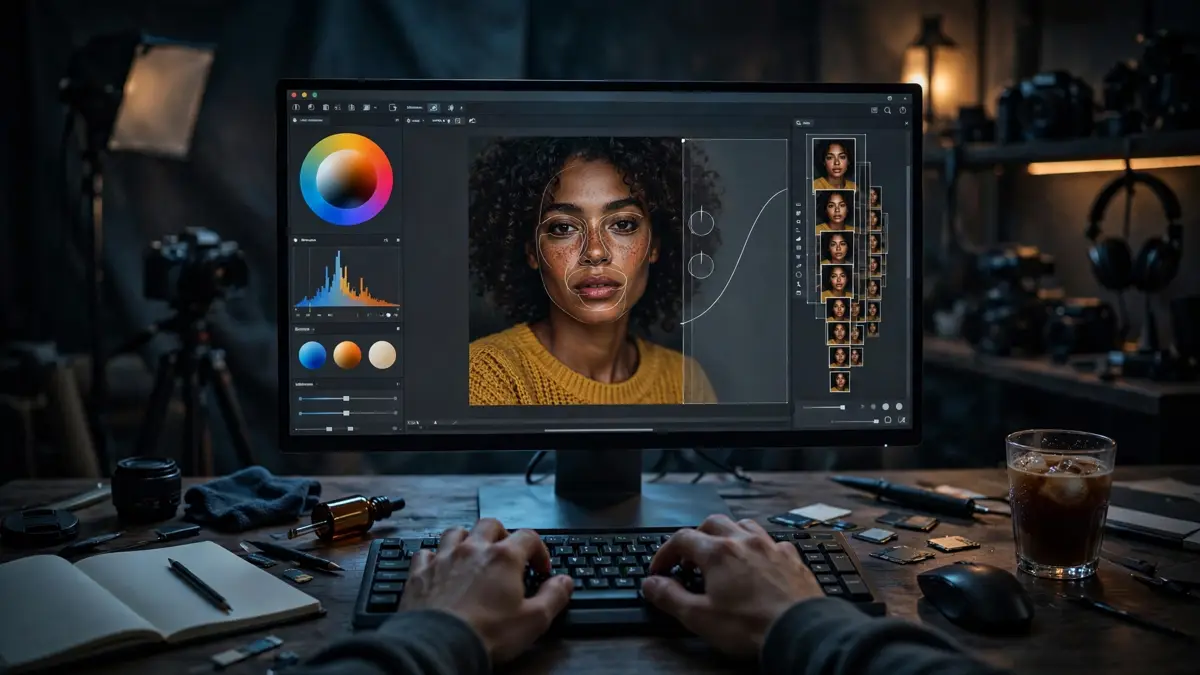
The other half of the announcement is Firefly’s reinvention as a multi-model creative studio. It now offers models from Adobe and Topaz Labs alongside ByteDance, Google, Kling, OpenAI and ElevenLabs, with the Model Selector picking one per session or letting the agent choose. Recent additions include Dreamina Seedance 2.5, Kling 4.0, GPT Image 2.6 in its Sunburst and Flare variants, and Nano Banana 2.1. Topaz Labs, acquired by Adobe in September, adds upscaling and restoration models.
When the same third-party models appear in every creative tool, the model alone stops being the differentiator — Adobe’s answer is what happens after generation. Firefly Image adds precision tools called Edit Object, Edit Text, Relight and Retouch, which change one part of an image while leaving the rest untouched. Firefly Design, in beta, puts illustration, image editing, animation, 3D and print on one canvas; Firefly Graph, also in beta, lets teams build repeatable node-based workflows; and Firefly Builder, in private beta, turns plain-language ideas into interactive, on-brand prototypes of websites, presentations and apps without code — a direct move onto ground held by Figma and Canva. Firefly Video assembles a video from clips, images and sound effects in a single workflow, and Quick Actions package common jobs — Remove Object, Thumbnail Generator, Build Product Ad — as ready-made workflows. Adobe said Edit Text, Retouch, Relight and Quick Actions are generally available; most of the rest is in beta or preview.

The agent that never clocks out#
The most speculative piece is the always-on agent, previewed first in the Firefly AI Assistant. These agents run recurring creative tasks in the background — organising incoming assets, checking quality, preparing content for different channels — for a creator to review each day. Background agents need controls Adobe has not detailed: activity logs, quality thresholds, and a way to reverse their changes.
Why Adobe is inviting the competition in#
The strategy is defensive and confident at once. If creators adopt outside agents, Adobe would rather those agents work inside Photoshop and Premiere than somewhere else. Opening the file layer protects the centre of its business even as Adobe gives up exclusive control of the agent layer — and it raises the bar for Creative Agent, which must now earn its place against rivals with the same file-level access. Its edge is knowledge of Adobe’s tools and the preferences it stores: brand guidelines, characters, formats and products that outside agents do not yet see.
The timing is not accidental. Adobe cited its Creators’ Toolkit Report, in which 78% of creators said creative AI has accelerated the growth of their business or following. The plan was telegraphed in April, when creativity head David Wadhwani said the agent would eventually surface in virtually everything Adobe develops. MAX 2026 is that plan arriving in the flagship apps all at once.
What to watch#
First, the early-2027 private beta: its permission model will show whether Adobe lets third-party agents match Creative Agent or limits them to narrower tasks. Second, whether Creative Agent’s stored preferences and brand guidelines ever become available to outside agents through MCP. Third, pricing for model selection and always-on agents, which decides whether teams move these tools from preview into daily production. And fourth, whether Firefly Builder’s no-code prototyping pulls work away from Figma and Canva.
Sources: Futurum Group — Adobe Firefly Expands as the AI Creative Studio (Nov. 12, 2026, by Keith Kirkpatrick); Archynetys — Adobe brings AI agents and new creative tools to Photoshop, Premiere, and Firefly (Nov. 10, 2026, updated Nov. 12); MakeUseOf — Adobe is taking vibe coding beyond apps with these major announcements at MAX 2026 (Nov. 10, 2026); Pivot News — Adobe adds AI agents across Creative Cloud (Nov. 11, 2026). Prior coverage: Disney and Adobe build custom Firefly Foundry AI models trained on Disney characters and worlds.