Jensen Huang resigns as Nvidia CEO; CFO Colette Kress named interim chief
Nvidia’s board announced on November 12 that Jensen Huang has resigned as president, CEO, and board member, effective immediately. CFO Colette Kress takes over as interim CEO while the board searches for a permanent successor.
- The announcement: Nvidia’s release, titled “NVIDIA Announces CEO Transition” and dated November 12, 2026, says Huang resigned as president, CEO, and board member, effective immediately.
- Interim chief: Colette Kress, executive vice president and chief financial officer, is interim CEO and keeps the CFO role until a permanent successor is named.
- New chair: Harvey C. Jones, a former Synopsys chief executive and Nvidia board member, becomes the board’s first-ever chair.
- The sequence: the board had opened an independent investigation after Huang admitted an affair with a woman alleged to be a Chinese spy; on November 11 the Journal reported the board was preparing to oust him as a second affair surfaced.
- The signal: the news broke on Reddit’s r/singularity at 8:58 a.m. ET, with the thread surging from 26 to 608 upvotes in about 20 minutes; Reuters published its report at 8:52 a.m. ET.
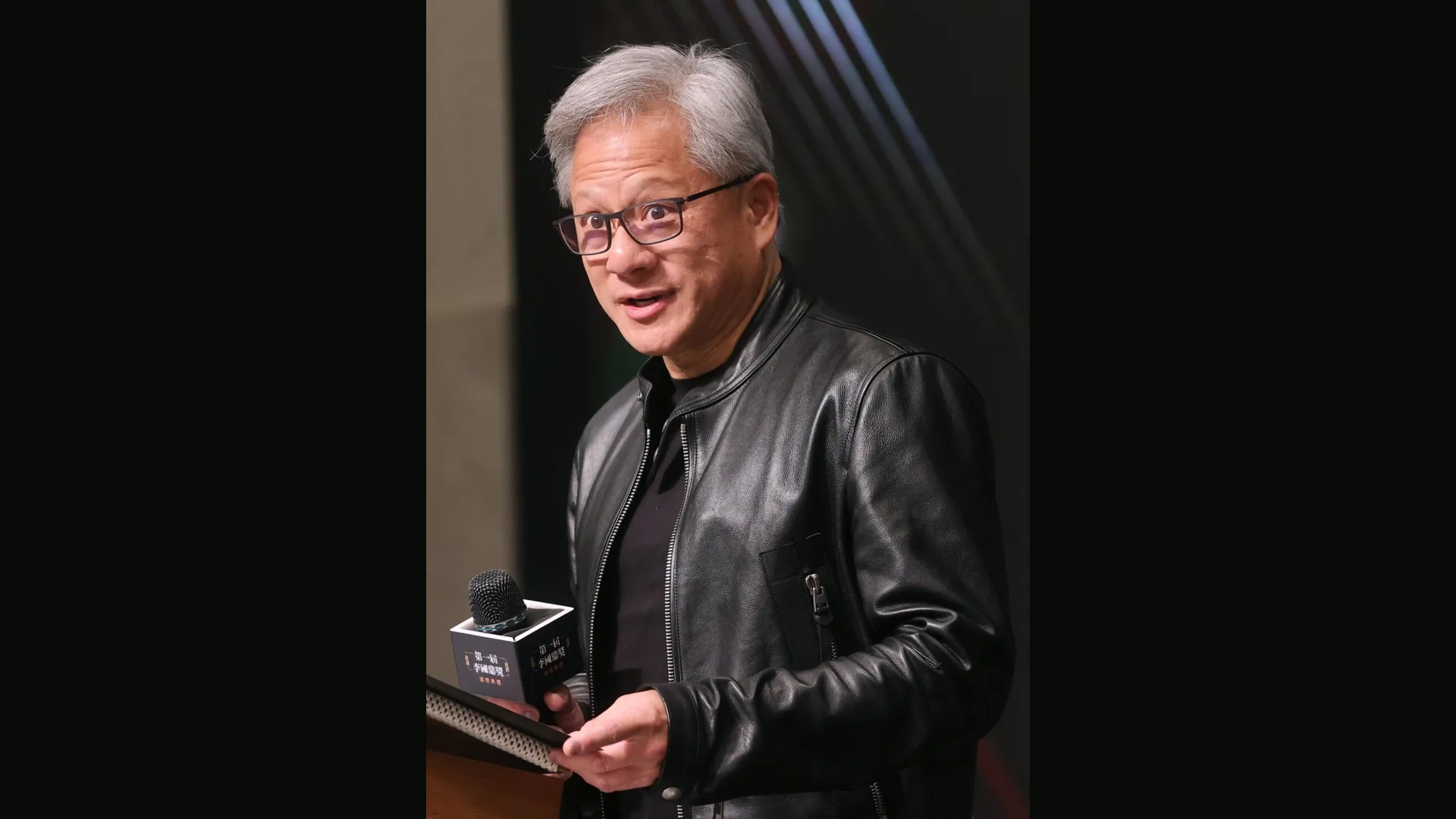
Nvidia’s board announced on Thursday morning that Jensen Huang has resigned as president, chief executive officer, and a member of the board, effective immediately. The company named chief financial officer Colette Kress as interim CEO and appointed Harvey C. Jones as its first-ever board chair, closing a week in which the board had moved from investigating its chief executive to, reportedly, preparing to remove him.
Reuters, which published its report at 8:52 a.m. ET, called the departure “a big blow to the AI boom,” saying it leaves the industry “without its biggest champion.” The news travelled fast: a thread on Reddit’s r/singularity posted at 8:58 a.m. ET surged from 26 to 608 upvotes in about 20 minutes, as the community that had spent the previous day dissecting the board’s moves got the ending first.
What Nvidia announced#
The announcement came in a release titled “NVIDIA Announces CEO Transition,” dated November 12, 2026. It says Huang stepped down from all three of his roles — president, chief executive, and board member — at once, and that the change took effect immediately.
Kress, Nvidia’s executive vice president and chief financial officer, takes the top job on an interim basis and continues as CFO while the board searches for a permanent successor. Jones, a former Synopsys chief executive who already sat on Nvidia’s board, takes a newly created chair role — the first time the board has had one. The structure is explicitly temporary at the top and newly formalised at the board level: an interim chief holding both executive jobs, and a chair whose position did not exist the day before.
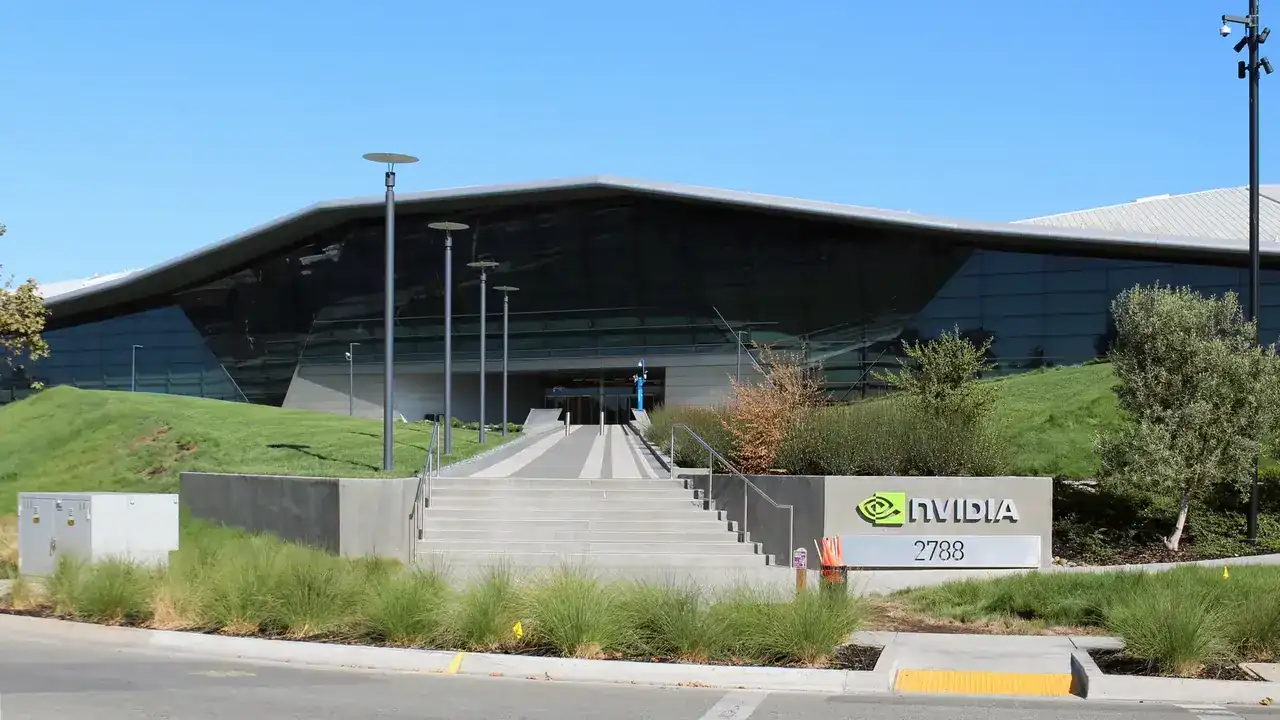
A 24-hour collapse#
The resignation is the third beat of a story that moved in days, not months. Nvidia’s board had opened an independent investigation after Huang admitted an affair with a woman alleged to be a Chinese spy, as we reported. Then, on November 11, the Wall Street Journal reported the board was preparing to oust Huang as a second affair surfaced, as we reported. On Thursday morning, he was gone — by resignation rather than removal, and effective immediately rather than at some negotiated later date.
That sequence matters for how to read the announcement. The board’s statement frames the change as a transition and names the interim leadership; the circumstances around it are still emerging, and neither the company nor the reporting so far has put a single stated reason on the record. What is on the record is the order of events: investigation, reported move to oust, resignation within a day.
Why it matters#
Nvidia sits at the centre of the AI buildout: its chips are the hardware the boom runs on, and Huang has been its public face and chief evangelist for the whole ride. A leadership change at that company would be significant in any circumstances. A sudden one, announced in the morning with immediate effect and an interim chief holding two jobs, is a different kind of event — it signals a board acting under pressure, not a planned handover.
The interim arrangement also tells its own story. Keeping Kress in both roles avoids a second appointment and keeps the company’s financial leadership in place during the search, but it is a holding pattern, and the board has given no timeline for naming a permanent chief. The creation of a board chair, filled by a veteran of the semiconductor industry, suggests the board is also rethinking how it governs itself — not just who runs the company day to day.
What to watch#
First, the succession: whether the search looks inside or outside, and how long the board takes. Second, what the board says next — whether it discloses anything from its investigation, and whether Kress or Jones addresses employees and investors in their own words. Third, how Nvidia handles the transition in public: the company’s messaging at its next earnings call and public events will show whether the interim arrangement is genuinely a bridge or a longer stay. And fourth, the market reaction, which will be the first outside verdict on whether investors see this as a governance cleanup or a crack in the company at the heart of the AI boom.
Sources: NVIDIA Newsroom — NVIDIA Announces CEO Transition (Nov. 12, 2026); Reuters — Nvidia CEO Jensen Huang steps down in big blow to AI boom (Nov. 12, 2026, 8:52 a.m. ET, by Aditya Soni and Anhata Rooprai); r/singularity — Jensen Huang Resigns (Nov. 12, 2026, 8:58 a.m. ET). Prior coverage: Nvidia board launches independent investigation after Jensen Huang admits affair with alleged Chinese spy; WSJ: Nvidia board is preparing to oust Jensen Huang as a second affair surfaces.