
Ares Intelligence raises €2.9 million to ask every employee where AI fits — starting with the front line, not the C-suite
London startup Ares Intelligence has raised €2.9 million from Creandum and Lakestar for an AI interviewer that holds confidential voice conversations with every employee — in more than 70 languages — and turns what they say into a prioritised AI adoption roadmap within weeks.
- Who and when: London-based Ares Intelligence, founded in 2026 by Matt Falconer and 21-year-old Alfie Ranstead; the funding was reported on October 30, 2026.
- The round: €2.9 million (£2.48 million) backed by Creandum and Lakestar, with participation from angels connected to Google DeepMind. No valuation was disclosed in the report.
- What it does: an AI interviewer holds confidential, voice-based conversations with every employee in an organisation, in more than 70 languages, and leadership receives a prioritised, evidence-led roadmap within weeks.
- Privacy and deployment: GDPR- and SOC 2-compliant, with anonymisation controls that mask names, redact voices, or strip role metadata before reports reach leadership; deployable on the customer’s own cloud or Ares’ infrastructure in the EU or the US.
- Early evidence: enterprise customers across Europe and the United States in approximately seven months since launch; Tremonia uncovered more than 400 hours of avoidable manual work per month within four weeks, according to Ares.
- Use of funds: expand operations and bring the platform to more businesses; the founders say the full process takes weeks rather than the months usually taken by a consulting firm.
London-based Ares Intelligence has raised €2.9 million (£2.48 million) in funding to build an AI interviewer that asks every employee in a company where artificial intelligence could help — and turns the answers into a plan. The round was backed by Creandum and Lakestar, with participation from angels connected to Google DeepMind, EU-Startups reported on October 30, 2026.
The startup was founded in 2026 by Matt Falconer and 21-year-old Alfie Ranstead. The pair built Ares to fix a problem they met first-hand while running Instruct, their previous automation company: customers wanted to automate parts of their business but had no reliable way of knowing where to begin.
Asking everyone, not just the top floor
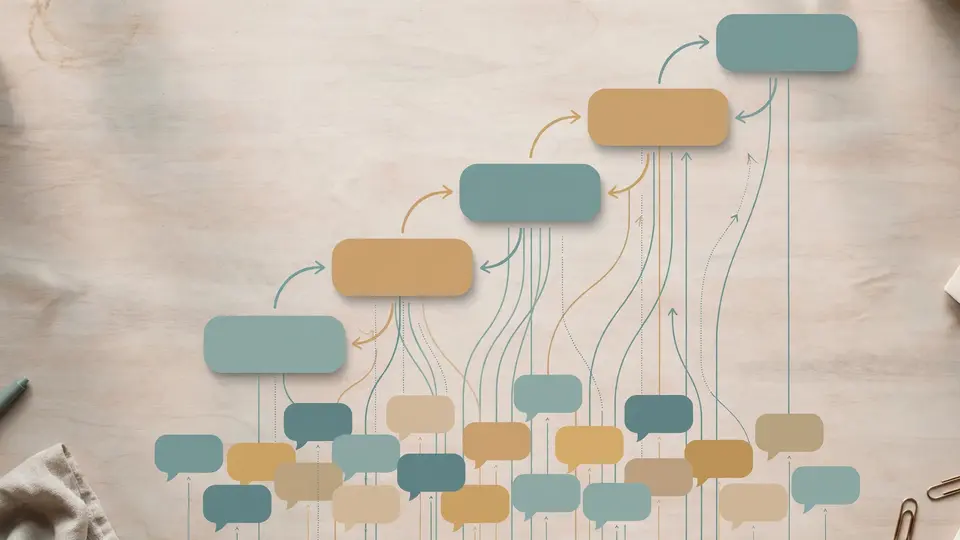
Ares deploys an AI interviewer that holds confidential, voice-based conversations with every employee in an organisation, in more than 70 languages. Within weeks, leadership receives a prioritised, evidence-led roadmap identifying where AI can save time and money, according to the company. The point, Ares says, is to flip the usual top-down AI strategy: instead of relying only on a handful of senior managers to spot opportunities, the interviewer captures the knowledge of the people closest to the day-to-day work.
That includes the gaps senior managers rarely see, Ares says: manual workarounds, broken handoffs between teams, and the use of unapproved AI tools. “The people doing the work every day have a huge amount of knowledge about where AI could make a difference, but they’re rarely asked,” said Falconer, the company’s co-founder and chief executive. “Ares gives them a voice across departments, countries and languages, and turns what they share into a practical plan.”

Privacy is the pitch, as much as the roadmap
Interviewing an entire workforce raises an obvious question: who hears what employees say? Ares says its platform is GDPR- and SOC 2-compliant, with anonymisation controls that let businesses mask names, redact voices, or strip role metadata before reports reach leadership. Customers can deploy it on their own cloud or use Ares’ infrastructure, in the EU or the US, with data retention windows set by the business.
The founders say the whole process — training employees on what AI can do, conducting individual interviews, collecting insights, and drafting recommendations — takes weeks rather than the months usually taken by a consulting firm. That speed claim is the company’s, not an independently measured result, and Ares has not published customer-by-customer timings beyond its Tremonia example.
One early customer, 400 hours a month
Since launch, Ares says it has signed enterprise customers across Europe and the United States in approximately seven months. Its named example is Tremonia, a Mercedes-Benz spin-out, which Ares says uncovered more than 400 hours of avoidable manual work per month within four weeks of the AI interviewer interviewing everyone from senior leadership to the paint shop floor. The figure is company-reported; Tremonia has not separately commented in the report.
Why Creandum and Lakestar backed it
“Enterprise AI today is mostly coding, and that’s only the start,” said Richard Keuntje, vice-president at Creandum. “The opportunity across the rest of the business is far bigger and still largely untapped, and we’re at the very beginning of enterprise adoption.” Enrico Mellis, venture partner at Lakestar, said the appeal was evidence from the people closest to the work: “There’s a significant difference between an impressive demo and something you can rely on in your actual work.”
Ares says the fresh capital will help it expand operations and bring its AI-driven workforce intelligence to more businesses. “Businesses across Europe know they need to adopt AI, but many still don’t know where to start,” Falconer said. “It’s vital that companies begin their AI transformations now to avoid falling behind.”
That is the bet in one line: the next wave of enterprise AI value is not another coding assistant, but knowing where to point the tools a company already has — and hearing it from the people who do the work. Whether an AI interviewer can earn the candour that plan depends on is the question Ares will now have to answer, customer by customer.
Sources: the funding report at EU-Startups, also covered by Dealroom. EU-Startups’ updated report puts the round at €2.9 million; an earlier version of the same report listed €2.6 million. The editorial illustrations are AI-generated.