SUNMI pushes ‘Physical AI’ into the shop floor: new Hi SUNMI agent, Intel-built Windows devices, and a platform behind 40,000 merchants
- Who: SUNMI Technology (06810.HK), a Shanghai-based commercial-hardware company serving 200+ countries and regions.
- What/when: the SDC 2026 developer conference, held October 22, 2026 in Shanghai, themed “Hello AI | Together, Powering Commerce with AI.”
- Hi SUNMI: a new AI agent for commercial environments, demonstrated with voice interaction, operational diagnostics, customer-traffic analysis, and intelligent marketing.
- Intel hardware: a new family of Windows commercial devices, including the FLEX 3 WIN and T3 PRO WIN, targeting businesses with existing Windows-based systems.
- SUNMAX Magic AI platform: nearly 40,000 merchants across more than a dozen countries/regions today; target of 20 countries and 60,000–80,000 merchants by 2027.
- SUNJI healthcare: facial-recognition medical-insurance devices in 150,000+ healthcare institutions across China, with 350,000+ devices deployed cumulatively.
SUNMI hosted its SDC 2026 developer conference in Shanghai on Thursday, pitching the next phase of its business as “Physical AI for commerce.” The Hong Kong-listed company (06810.HK), best known for smart point-of-sale hardware in physical stores, said it is evolving from commercial IoT connectivity toward integrating AI across devices, store operations, and business workflows. The conference, themed “Hello AI | Together, Powering Commerce with AI,” brought together global customers, developers, and ecosystem partners for what SUNMI framed as its AI-infrastructure coming-out party.
Three announcements, one thesis
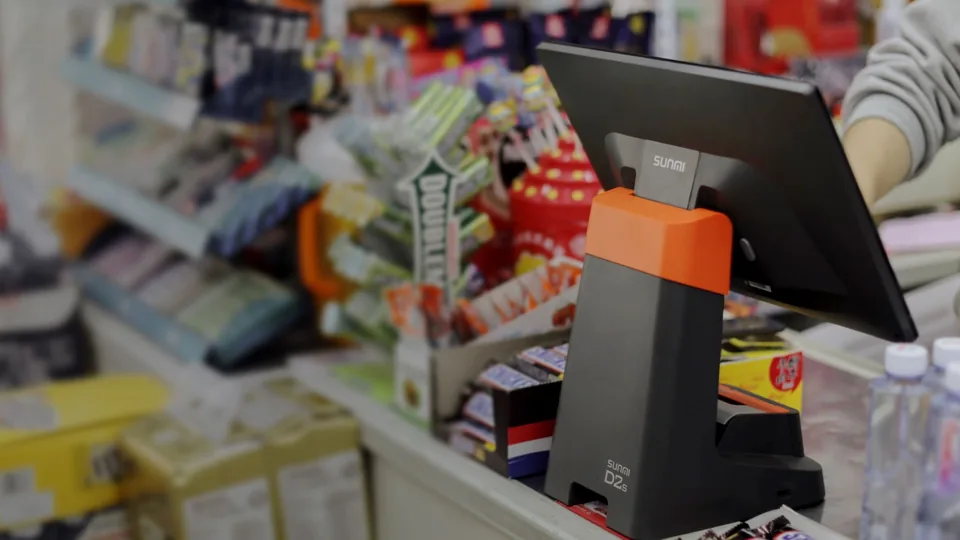
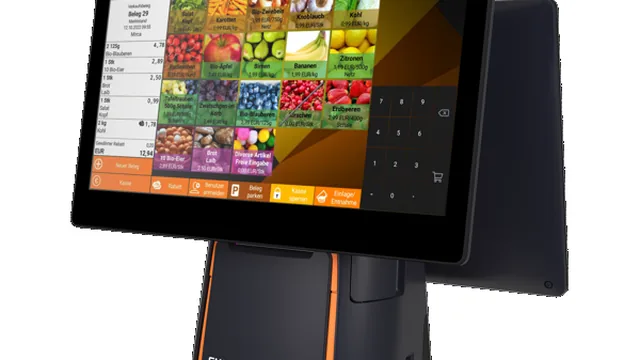
The thesis: stores are the next deployment surface for AI agents. First, SUNMI and Intel unveiled a new family of Windows commercial devices, including the FLEX 3 WIN and T3 PRO WIN. The pitch is practical — businesses already running Windows-based systems can upgrade their hardware without reworking established software and workflows, cutting migration costs and risk. The launch expands SUNMI’s commercial-hardware ecosystem across both Android and Windows.
Second, the company introduced Hi SUNMI, an AI agent built for commercial environments. The demonstrations covered voice interaction, operational diagnostics, customer-traffic analysis, and intelligent marketing for physical stores — the kind of always-on, in-store assistant that turns a checkout terminal into a data source and a recommendation engine at the same time.
Third, SUNMAX launched its Magic AI agent platform, aimed at software providers rather than end merchants: it folds AI-powered development, business operations, and enterprise knowledge into one platform, supporting partners from development and localization through to global distribution. SUNMAX says it has already helped partners serve nearly 40,000 merchants across more than a dozen countries and regions, and is targeting 20 countries and 60,000–80,000 merchants by 2027.
The healthcare numbers hiding in the release
The most concrete figures in the announcement weren’t about retail at all. SUNJI, the healthcare arm, said its facial-recognition devices for medical-insurance services have reached more than 150,000 healthcare institutions across China, with over 350,000 devices deployed cumulatively — a fleet SUNMI is now pushing toward AI-assisted patient services and health management with ecosystem partners. Conference forums also covered commercial AI, global software development, and healthcare IoT plus AI.
Scale is the part of this story worth taking seriously. SUNMI says it provides digital and intelligent solutions to merchants and developers in more than 200 countries and regions, built on commercial IoT devices, an AI operating system, and a cloud platform. If the company’s “Physical AI” framing is even half real, that distribution network is a ready-made channel for putting AI agents where physical commerce actually happens.
Why this is an AI story, not a hardware press release
The phrase “Physical AI” is doing real work here — and it’s not just SUNMI’s. The industry is converging on the idea that the next AI deployment wave lives in the physical world: robots, vehicles, stores, clinics. SUNMI’s bet is that the retail counter joins that list, with agents that listen, diagnose, and sell alongside the human staff. Whether Hi SUNMI graduates from conference demo to checkout counters will be the test — but the company has put a date-adjacent marker down: it will keep building AI frameworks, global distribution platforms, and industry tooling for developers and software partners.
Frequently asked questions
What is the Hi SUNMI agent?
Hi SUNMI is an AI agent SUNMI introduced at SDC 2026 for commercial environments. The company demonstrated voice interaction, operational diagnostics, customer-traffic analysis, and intelligent marketing for physical stores.
What did SUNMI unveil with Intel?
A new family of Windows commercial devices, including the FLEX 3 WIN and T3 PRO WIN, aimed at businesses with existing Windows-based systems. The idea is a hardware upgrade path that keeps established software and workflows intact, expanding SUNMI’s hardware ecosystem across Android and Windows.
What is SUNMAX’s Magic AI agent platform, and how big is it?
A platform for software providers that bundles AI-powered development, business operations, and enterprise knowledge, covering development through localization to global distribution. SUNMAX says it has helped partners serve nearly 40,000 merchants in more than a dozen countries and regions, targeting 20 countries and 60,000–80,000 merchants by 2027.