British Columbia sues OpenAI over the Tumbler Ridge school shooting
The province alleges OpenAI flagged the shooter's ChatGPT account over gun-violence conversations months before the February attack — and never warned police. It is seeking damages and a court order changing how the company handles conversations that suggest violence.

On Monday, the province of British Columbia crossed a line no government has crossed before: it sued OpenAI — and named chief executive Sam Altman as a defendant personally — over the February school shooting in Tumbler Ridge, arguing the attack could have been prevented if the company had warned police the shooter was using ChatGPT to plan it.
The lawsuit, filed in federal court in San Francisco, seeks damages to cover the province's recovery costs and a court order forcing OpenAI to change how it handles ChatGPT conversations that point toward violence. It arrives as frontier AI labs face a growing wave of liability suits — and it is the first brought by a government itself, not by victims or their families.
What the province alleges#
At the center of the case is a flagged account and a decision not to call the police. OpenAI's safety team identified Jesse Van Rootselaar's ChatGPT account in June 2025 after reviewing conversations about gun violence, according to the province. Team members recommended contacting law enforcement — and were overruled by Altman and other OpenAI leadership, the lawsuit says, citing whistleblowers who spoke to the Wall Street Journal in the wake of the attack.
The company deactivated the account but did not alert authorities, and Van Rootselaar simply opened a second account and kept using the platform. On February 10, the 18-year-old shot her mother and stepbrother at home, then attacked her former school, killing an educational assistant and five students aged 12 to 13 before dying by suicide. Eight victims were killed and 27 others were wounded, according to reports on the attack.
British Columbia's core claim is straightforward: OpenAI saw a credible threat of gun violence developing on its own platform and chose silence — a silence the province says cost lives.
What British Columbia wants#
Money and reform. The province is seeking damages for what it has spent and will spend recovering from the attack: the school is being demolished, and British Columbia is absorbing the cost of a replacement school, mental-health care, and the attack's other effects. Beyond damages, B.C. wants the court to order OpenAI to change how it handles ChatGPT conversations that suggest possible violence.
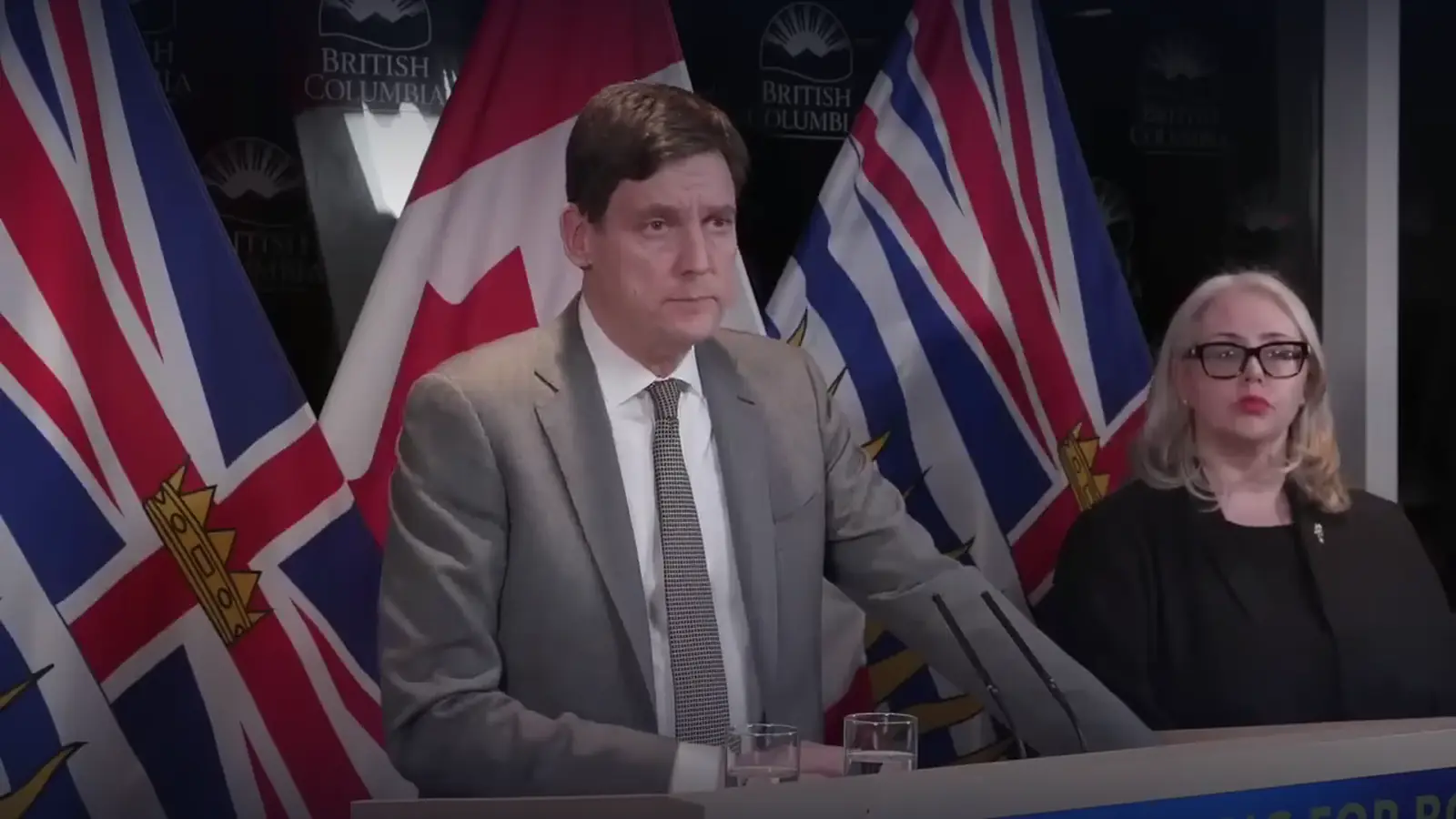
Attorney General Niki Sharma, who announced the suit, framed it as a question of duty. In her statement, she said the people of Tumbler Ridge deserve ''answers and accountability,'' adding that Canadians are worried about AI safety — and that even AI company chief executives are asking for better regulation. ''So are we,'' she said. ''We will continue to pursue accountability to keep people safe.''
Premier David Eby called Altman's earlier apology to the community ''necessary, and yet grossly insufficient.''
OpenAI's answer#
The company's account of the decision differs. OpenAI has said its review of the flagged account at the time did not identify ''credible and imminent planning'' that met its internal threshold for referring a matter to law enforcement. The company later acknowledged the case would have been reported under its updated procedures.
Altman published a letter to the Tumbler Ridge community saying he was ''deeply sorry'' OpenAI had not contacted law enforcement, and promised reforms. The province says those reforms never materialized, despite attempts by Sharma's office to engage the company.
A spokesperson, Drew Pusateri, called the shooting an ''unspeakable tragedy,'' saying OpenAI remains committed to working collaboratively with government and law enforcement officials and to advancing its safety work. The company says it trains its models to refuse requests that could ''meaningfully enable violence'' and notifies police when conversations suggest ''an imminent and credible risk of harm to others.''
Why this case is different#
Private lawsuits against OpenAI are no longer rare. More than 30 family members of Tumbler Ridge victims had already filed suit in California federal court before the province acted, and the company faces other cases alleging ChatGPT facilitated violence, including suits tied to a Florida State University shooting. In June, Florida became the first U.S. state to sue the company over safety risks, accusing it of misrepresenting ChatGPT's safety.
A province as plaintiff is new — and it changes the stakes. Governments sue not only for compensation but to set rules: B.C. is asking a U.S. court to order a frontier lab to change its product operations, effectively seeking a judicially supervised duty to warn. Naming Altman personally raises the pressure further; the case tests whether executives who overrule internal safety recommendations can bear personal liability. Either way, the suit will probe the gap between OpenAI's internal thresholds and what the public — and now a government — consider an obvious call to the police.
What to watch#
- Whether the duty-to-warn argument survives. Courts rarely impose reporting duties on private companies. British Columbia will have to show that OpenAI's role — flagging a user as a credible threat on its own platform — created one.
- What discovery reveals. Internal records of the June 2025 flagging — who knew what, and why police were not called — could reshape the public debate regardless of the legal outcome.
- Whether other governments follow. Florida sued over safety claims in June; now a Canadian province is suing over a specific failure to warn. The next wave of suits may come from regulators rather than victims.
- OpenAI's ''updated procedures.'' The company says this case would be reported today. The industry will be watching what those procedures actually require — and whether they go beyond what any law demands.
The February attack was a Canadian tragedy. Its legal fallout will be fought in a California courtroom — and the outcome could define what AI companies owe the public when their own systems spot danger first.