DaltonTx launches an AI antibody-discovery platform that folds 87,000 structures an hour — and logs every decision
DaltonTx, the Oxford-spun drug-discovery startup, launched advanced antibody-discovery capabilities inside its Dalton platform on October 1, 2026: an AI workflow that designs, folds, and validates antibody candidates against real experimental data — then records the reasoning behind every call so project knowledge compounds instead of evaporating between handovers.

DaltonTx announced on Thursday the launch of advanced antibody-discovery capabilities within the Dalton platform, via a GlobeNewswire release issued from London. The pitch: antibody discovery is drowning in AI models and computational tools, but turning their outputs into confident scientific decisions is still the hard part. DaltonTx wants to be the layer that closes that gap.
Design, fold, validate — in one workflow#
The platform brings antibody design, structure prediction, and validation tools together in a single workflow. AI-generated outputs are continuously tested against real experimental data, which DaltonTx says helps researchers identify candidates that are not just scientifically plausible, but more likely to succeed in development — a direct attack on the "looks good in silico, dies in the lab" failure mode.
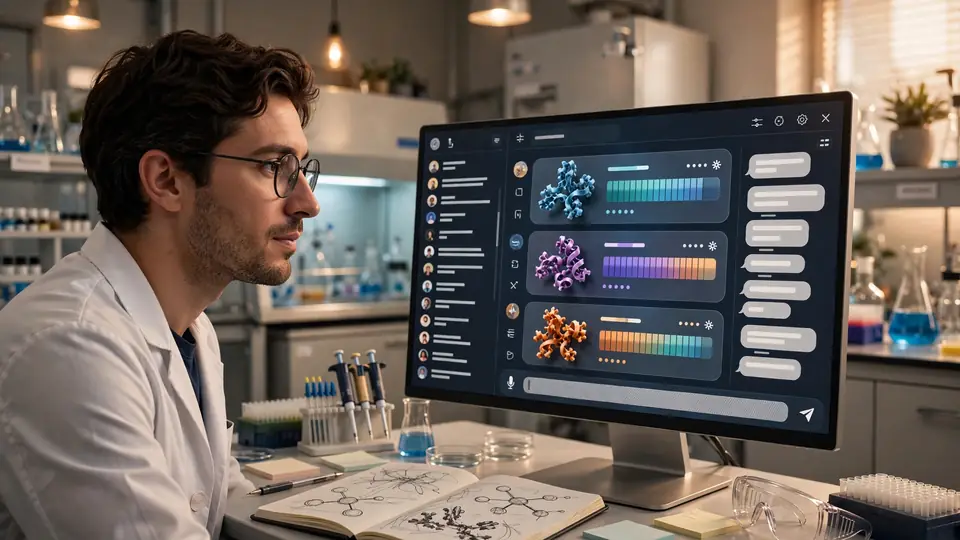
The more unusual bet is on memory. Dalton is operated through a chat interface that captures the rationale behind each decision: why candidates were discarded, how priorities were set, which goals drove each stage of the campaign. A purpose-built ontology links scientists' observations and decisions to the specific antibodies designed and selected. The result, the company says: project knowledge accumulates instead of being lost between meetings, handovers, and team changes.
The numbers behind it#
Dalton can evaluate antibody repertoires of millions of sequences in hours. As a demonstration, the company recently folded the entire 2.6-million paired OAS space at a rate of 87,000 structures per hour. Researchers can use the platform from hit identification and optimisation all the way to candidate discovery and the design of complex antibody formats such as bispecifics — with outputs designed to feed scientific review and experimental planning, not replace it.

Oxford roots, pharma pedigree#
DaltonTx is founded on research from the University of Oxford and built by leaders with decades of experience behind AI discovery platforms at AstraZeneca and Exscientia. "Researchers today have access to an unprecedented range of AI models and computational tools for antibody discovery, but turning those outputs into confident scientific decisions remains a challenge," said Dr Garry Pairaudeau, the company's CEO and co-founder. "Ultimately, we're helping teams reduce complexity, accelerate discovery and focus resources on the most promising opportunities."
Professor Charlotte Deane, co-founder and chief AI officer, framed the launch as a step away from brute force: "Antibodies are the most successful class of medicines we have, yet we still discover them largely by trial and error. There has never been a platform before that puts the necessary tools in the hands of every biotech, CRO and pharmaceutical company in the world."
The company says it continues to collaborate with the University of Oxford and other academic researchers on emerging approaches in antibody modelling and analysis. Under the hood, the Dalton platform works across small molecules and biologics: AI agents propose strategies, evaluate trade-offs, and autonomously orchestrate a suite of AI, physics, and ML tools — with full context and what the company calls "perfect memory" so judgement compounds over time.
Sources
- Asia Insider — full text of the DaltonTx GlobeNewswire release, "DaltonTx, the decision engine for drug discovery, launches advanced AI-powered antibody discovery platform" (October 1, 2026)
- FirstWord Pharma — "DaltonTx, the decision engine for drug discovery, launches advanced AI-powered antibody discovery platform" (October 1, 2026)