10,000 patients, one drop of blood: Early Signal Diagnostics bets its AI cancer test on a Bogotá validation study
- Who: Early Signal Diagnostics Corp, a Cathedral City, California company combining single-cell RNA sequencing with machine learning for early disease detection.
- What: A 10,000-patient validation study of its AI-driven cancer biomarker platform, run at two laboratories in Bogotá, Colombia.
- When: Announced 19 October 2026; studies begin early 2027, with preliminary results expected about nine months after they start.
- Target: Detecting ovarian and pancreatic cancer from a capillary blood sample — two cancers usually caught too late.
- Tech: Single-cell RNA sequencing analysis plus machine learning; recent work identified a novel set of oncogenes and tumor suppressor genes in pancreatic and ovarian cancer.
- Bar: The company says AI biomarkers should be validated with the same rigor as companion diagnostics, including testing across diverse populations.
Beverly Hills, California — Early Signal Diagnostics announced today that it will begin validation studies of its AI-driven biomarker platform in early 2027 at two laboratories in Bogotá, Colombia, enrolling approximately 10,000 local patients. The study will evaluate whether the platform can detect ovarian and pancreatic cancer from a capillary blood sample — two cancers that are rarely caught before symptoms appear, when treatment is hardest.
The announcement, issued via EIN Presswire, is one of the largest real-world validations of an AI cancer biomarker test announced this year. Early Signal argues that AI biomarkers should be held to the same validation rigor as companion diagnostics — the laboratory-developed tests that accompany specific therapies — and that validating in a Latin American population tests whether the platform performs across diverse patient groups, a common gap in AI biomarker research.
What's under the hood
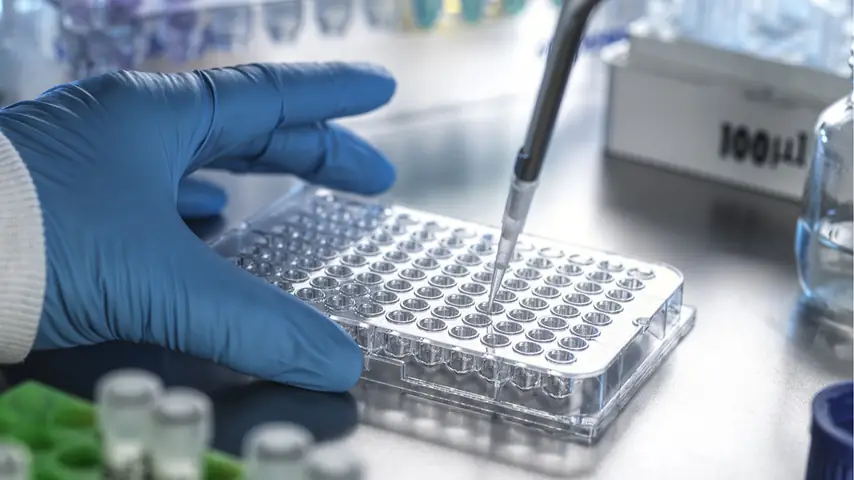
Early Signal's platform applies single-cell RNA sequencing analysis and machine learning to cancer biomarker discovery. According to the company, recent work from its platform identified a novel set of oncogenes and tumor suppressor genes not previously recognized in pancreatic and ovarian cancer — findings it says may point to actionable targets for therapy. The company's own site describes the approach as combining AI with methylation-based multi-omics to catch subtle genomic signals shed by tumors into the bloodstream before symptoms appear.
Why Bogotá
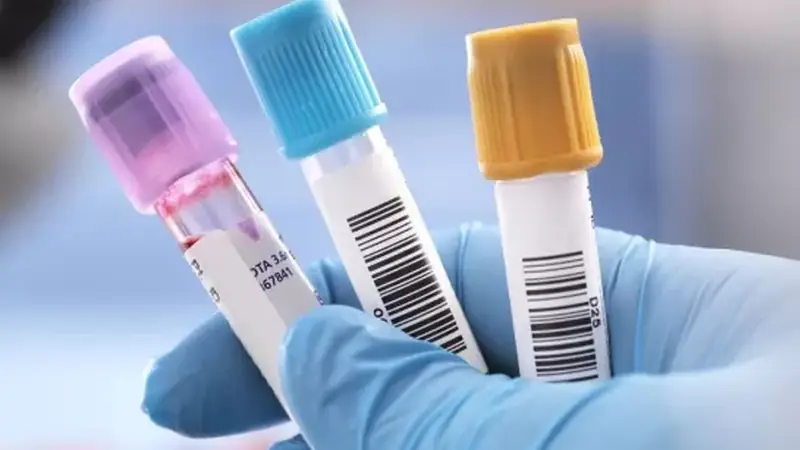
The location is no accident. Early Signal says it has spent more than seven years working alongside physicians, laboratories and health officials in Bogotá. "I've seen how much the local medical community cares about earlier cancer detection," said Todd Wright, the company's vice president of international operations. "We're proud to validate our platform with them, in the population it's meant to serve, and to hold it to the highest standard."
The timeline and the caveats
The participating laboratories will be announced once agreements are finalized, and preliminary results are expected approximately nine months after the validation studies begin. The test itself remains, in the company's own words, in development and clinical validation — not yet available for clinical use. That caveat matters: a 10,000-patient study is the step that decides whether a promising biomarker panel survives contact with the real world.
Sources: EIN Presswire release (Early Signal Diagnostics), earlysignaldiagnostics.com.
Frequently asked questions
What is Early Signal Diagnostics validating in Bogotá?
The platform's ability to detect ovarian and pancreatic cancer from a capillary blood sample, tested in about 10,000 patients across two Bogotá laboratories. Studies begin in early 2027.
Why run the study in Colombia?
Early Signal has worked with Bogotá physicians, labs and health officials for more than seven years, and validating in a Latin American population tests whether the platform performs across diverse patient groups — a common gap in AI biomarker research.
When will results be available?
Preliminary results are expected about nine months after the studies begin in early 2027. The participating laboratories will be named once agreements are finalized, and the test itself remains in development and clinical validation, not yet cleared for clinical use.