Google makes Gemini Tasks free in six countries — and lets it call businesses and pay for you
Google made Tasks in Gemini free on November 17, opening its most capable consumer agent to hundreds of millions of people in six countries — and giving it the power to phone businesses and spend money on your behalf.
- The change: Tasks in Gemini — the mode where Gemini works in the background on multi-step jobs instead of chatting — is now free in the US, Japan, South Korea, Canada, Australia and India. It previously required a Google AI Pro or Ultra subscription. Flip the Gemini home-screen toggle from Chat to Task and describe the job.
- The new powers (US first): Gemini can call local businesses on your behalf, check out with Google Pay, sign in to websites using Google Password Manager, and take assignments forwarded by email or text message. Calls and payments launch only in the United States; the free base mode works in all six countries.
- The engine: Gemini 4 Hydrogen, the fast model Google rolled out on November 12, 2026 for agentic work. Tasks began life as Gemini Spark in May 2026 for paid subscribers and was renamed Tasks in October.
- The limits: Free access needs a personal Google account, age 18 or over, and Gemini history switched on. Elsewhere Tasks still needs AI Pro or Ultra, and it is not offered in the European Economic Area, the United Kingdom, Switzerland or Nigeria. Phone calls skip Indiana, Louisiana, Minnesota, Montana and Nebraska.
- The guardrails: Each task runs in a hardware-isolated virtual machine dedicated to the account, with prompt-injection filters and Safe Browsing. Gemini is designed to ask for confirmation before purchases, and users can set a hard spending cap. Google cautions that tasks can still fail or hand the screen back for a final click.

Google made Tasks in Gemini free on November 17, 2026, opening its most capable consumer agent to hundreds of millions of people in six countries. The move takes the feature out of the paid AI Pro and Ultra plans and puts it in the free Gemini app — and it arrives with new powers: Gemini can now phone local businesses, pay for things with Google Pay, and take assignments by email or text.
It is the clearest sign yet of where the assistant wars are heading. The pitch is no longer a smarter chatbot; it is a helper that does the chore while you get on with your day. Google is betting that the company holding your email, calendar, maps and payment cards has a head start on everyone else.
From Spark to free: what changed#
Tasks started in May 2026 as Gemini Spark, a test feature for a small group of paying subscribers, and was renamed Tasks in October. Until now it stayed behind the subscription wall. As of November 17 it is free in the United States, Japan, South Korea, Canada, Australia and India, and it now runs on Gemini 4 Hydrogen, the fast model Google introduced on November 12 for rapid work in agentic workflows.
The rollout is deliberately uneven. The free base mode — background tasks, recurring chores, multi-step work across Gmail, Calendar, Drive, Docs and Maps — is available in all six countries. The headline features, though, start in the US only: phone calls to businesses, Google Pay checkout, signing in to sites with Google Password Manager, and assigning work by forwarded email or text message.
Google's own example shows the intended shape of it. The Gemini app lead, Josh Woodward, describes asking Gemini to book a service appointment for the family minivan: it found the two nearest dealerships on Maps, called both at once, sat through the hold music, checked his calendar, and booked a Friday morning slot in under five minutes — identifying itself as an AI on the calls, and leaving the real appointment on his calendar. In another example, Gemini traced a surprise $389 electricity bill to a heat pump switching on during peak pricing, after digging through utility statements in email.
What Tasks can do for you now#
The calling feature is the one people will notice first. Gemini can ring a business, compare quotes across several shops at once, negotiate a bill, or book a hotel or restaurant, then put the result in your calendar. Businesses can opt out of receiving such calls, and Google says Gemini discloses right away that it is an AI. Calling is not available in Indiana, Louisiana, Minnesota, Montana or Nebraska for now.
Payments run on Google's Agent Payments Protocol, which swaps the real card number for a digital token at checkout. Mastercard and Visa are supported on eligible cards, with American Express described as coming soon, and Google says card rewards, cashback and purchase protections stay intact. Users set a hard spending cap up front, and Gemini is designed to ask for confirmation — or require pre-approval — before it buys anything. Receipts and tracking land in Google Wallet, which is also expanding to iOS.
The quieter upgrades may matter more day to day. Tasks can be assigned by forwarding an email to [email protected], or by texting Gemini once a phone number is verified. Google says Tasks connects with more than 60 popular apps, and the Gemini-Workspace integration has had its biggest update yet, with tool calls triggering more reliably and more actions available inside Gemini itself.

The fine print: free doesn't mean everywhere#
The rollout has three tiers, and the map is lopsided. Six countries get Tasks free with no subscription. In the rest of the world where Gemini exists, it still needs a Google AI Pro or Ultra plan. And in the European Economic Area, the United Kingdom, Switzerland and Nigeria, Tasks is not available at all — not even with a subscription.
| Tier | Where | What you get |
|---|---|---|
| Free | US, Japan, South Korea, Canada, Australia, India | Tasks with no subscription; calls, payments, email and text assignment US-only for now |
| Paid | Other countries where Gemini is available | Tasks with a Google AI Pro or Ultra plan |
| Not available | EEA, UK, Switzerland, Nigeria | Not offered, even with a subscription |
Access also has conditions: a personal Google account, age 18 or over, and Gemini history turned on. Work and school accounts are excluded for now. And the features that make the announcement are the most restricted — calls cover US businesses only, in English, and the email and text channels are US-only at launch.
The safety pitch — and the honest caveats#
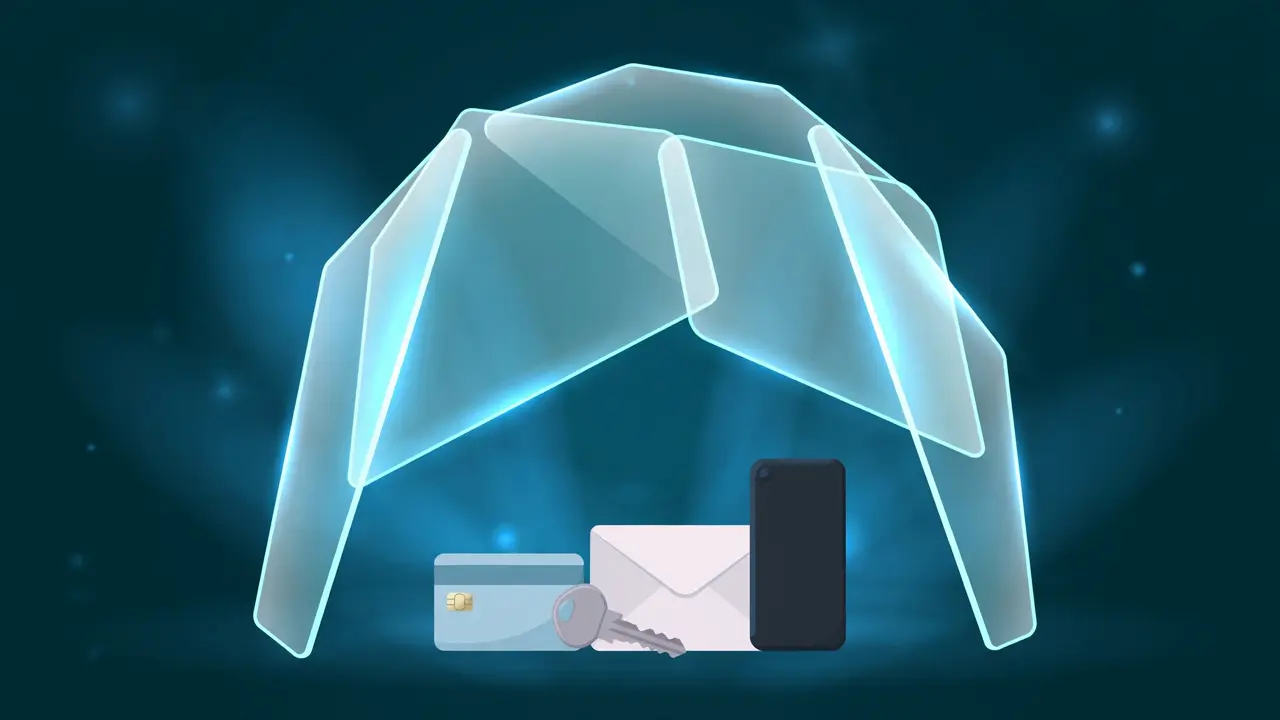
Google is pitching the security story as hard as the convenience one, and it has to: an agent that phones strangers and spends money is a trust test. Each task runs in a hardware-isolated virtual machine dedicated to the user's account, through Google Cloud's Agent Compute Engine, with the agent harness separated from the execution sandbox and persistent credentials kept outside the guest environment. Prompt-injection filters scan search results and web pages, and Safe Browsing limits which links Gemini can open. Users can disconnect apps, adjust task settings, or delete chat history at any time.
Google is also unusually candid about the limits. Tasks can still fail to complete or miss their objective, the company says, and on some websites Gemini gets most of the way through a task before handing the screen back to the user for a final click. Assigning a task does not guarantee end-to-end automation — a gap Google says it is closing by working directly with major websites and security providers.
What to watch#
Three things will decide whether this lands as a milestone or a footnote. First, reliability at scale: hundreds of millions of new users handing real chores to an agent that sometimes fails or hands the screen back is a live experiment, and the failure rate is what users will remember. Second, the competitive answer: OpenAI launched ChatGPT Wallet days earlier, letting its own agents pay without seeing your card — the two labs are now racing to own the same checkout moment, and merchants get to decide whose agent they trust. Third, the geography: whether the US-only features reach the other five free countries, and whether Europe ever gets Tasks at all, will say a lot about how much of this is a product decision and how much is a regulatory one.
Sources: Google, “How to use Tasks in Gemini for personal assistance”; Unite.AI, “Google Makes Tasks in Gemini Free and Adds Calls and Payments”; Android Police, “Google is giving millions of Gemini users a free personal AI agent”.