FBI arrests California tech CEO over alleged $300M AI-chip smuggling pipeline to China
Federal prosecutors say Earthmade Computer CEO Greg Lui routed export-controlled AI servers through Singapore and Malaysia into China — using false paperwork and staged dummy servers to fool inspectors. He faces up to 50 years.
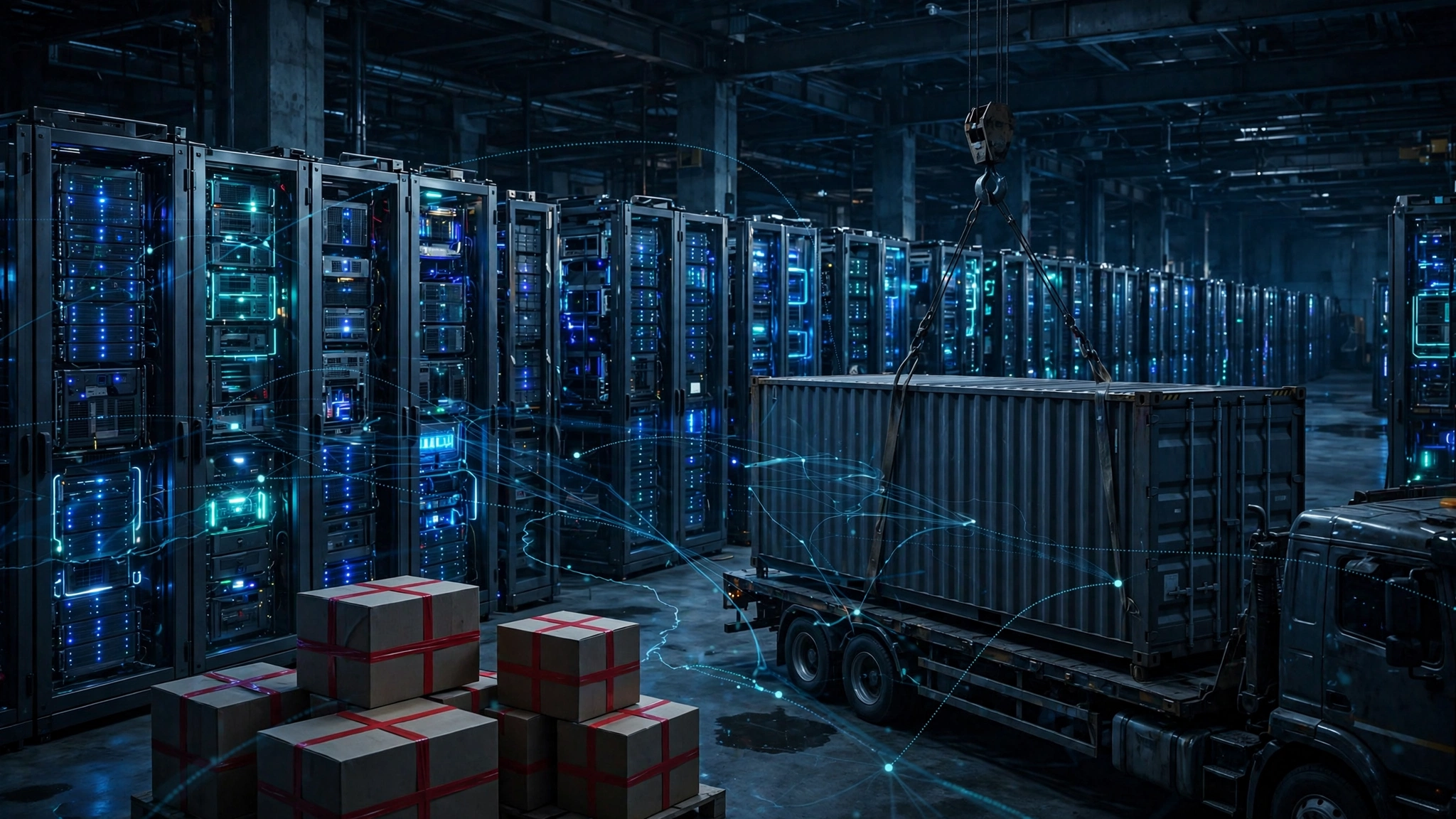
Federal agents arrested a California technology executive this week on charges of building a $300 million smuggling operation that moved export-controlled AI servers into China. The indictment reads like a playbook for defeating the U.S. semiconductor blockade: falsified end-user paperwork, freight forwarders in Malaysia and Singapore, and dummy hardware staged to throw inspectors off the scent.
Greg Lui, 38, of San Gabriel — also known as Yiu Kong Lui — was taken into custody on Wednesday at the City of Industry headquarters of Earthmade Computer Inc., the company prosecutors say he owned and used as his instrument. A federal grand jury returned a three-count indictment on September 29. If convicted on all counts, Lui faces a statutory maximum of 50 years in federal prison. He was expected to be arraigned in downtown Los Angeles on Friday.
How the alleged pipeline worked#
According to the Justice Department, the scheme ran from 2023 to 2024. Lui and his co-conspirators allegedly used Earthmade to purchase high-end computer servers stuffed with U.S.-manufactured graphics processors — hardware the department describes as "commonly used for Super Intelligence applications" — and shipped them to China without the Department of Commerce licenses required by law.
The mechanics were layered. First, prosecutors say, the conspirators gave American manufacturers false documentation claiming the equipment was bound for legitimate end users in places that did not require an export license. Then freight-forwarding companies moved the servers to countries such as Malaysia and Singapore, where no license was needed. From there, the equipment was re-exported to China — the real destination all along. One detail stands out for its brazenness: Assistant Attorney General for National Security John Eisenberg said the operation used "staged dummy servers to mislead inspectors" alongside false documents and "convoluted transshipment schemes."
The indictment traces the money too. Between January and October 2024, Earthmade allegedly received more than $176 million from two Malaysia-based shipping companies connected to the operation — a payment figure separate from the $300 million-plus value prosecutors assign to the full scheme.

One shipment tells the story#
Prosecutors anchor the case in a paper trail around a single batch of servers. In January 2024, Lui allegedly emailed a co-conspirator that a Malaysian transshipment company wanted to buy 70 servers carrying export-restricted GPUs — attaching an export-compliance form indicating the Malaysian company knew U.S. law restricted the sale, transshipment, or export of that exact hardware.
Later that month, Lui ordered 27 of those servers from a U.S. manufacturer for about $7.6 million and had them shipped from Los Angeles to Kuala Lumpur. The packing list itself warned that the servers contained export-controlled GPUs and could not be sent to China without a license. In March, a co-conspirator allegedly emailed a Malaysian government official confirming those 27 servers had, in fact, been transshipped onward to a buyer in China.
The charges are threefold: conspiracy to violate the Export Control Reform Act and the Export Administration Regulations (up to 20 years), conspiracy to commit money laundering (up to 20 years), and outbound smuggling (up to 10 years). As the Justice Department is careful to note, an indictment is only an allegation — Lui is presumed innocent until proven guilty.
Why this case matters#
Washington has treated advanced AI chips as a national-security asset for years, on the theory that they feed directly into military capability. "These chips are the product of American ingenuity," Eisenberg said in the department's announcement, "and the National Security Division will continue to enforce our export-control laws to protect that advantage." First Assistant U.S. Attorney Bill Essayli was blunter: "We will aggressively prosecute those who put our national security at risk for profit."
The FBI framed it as counterintelligence, not just customs enforcement. Assistant Director Roman Rozhavsky, of the bureau's Counterintelligence and Espionage Division, said the investigation found that Lui "allegedly sold the Chinese government hundreds of millions of dollars' worth of American Super Intelligence technology" in violation of export-control laws.
That language is the point. Compute has become the central chokepoint of the AI race — the resource Beijing's labs are most desperate to stockpile and the one Washington most wants to keep out of their hands. An export-control regime is only as strong as its enforcement, and this case is a test of whether the enforcement has caught up with the creativity of the evaders. The operation was investigated jointly by the Commerce Department's Bureau of Industry and Security, the Defense Criminal Investigative Service, and the FBI's counterintelligence division — a show of force that suggests the era of treating chip smuggling as a paperwork violation is over.
What to watch#
Three things from here. First, Friday's arraignment in Los Angeles will set the tone — and prosecutors have so far named only Lui, leaving open whether co-conspirators will surface in the money trail, which reportedly runs through U.S. bank accounts used to orchestrate the scheme. Second, Bloomberg Law notes this is the latest in a growing series of federal prosecutions aimed at keeping advanced U.S. chips out of Chinese hands, so expect the sentence prosecutors seek — the statutory max is 50 years — to be watched as a deterrence signal. Third, the transshipment corridor itself: Malaysia and Singapore keep showing up as the pressure points in chip-diversion cases, and the question hanging over the industry is how long Commerce lets that route operate on lighter licensing before it tightens the screws there too.
For AI builders, the lesson is less about geopolitics than about the supply chain your compute flows through. The chips in this case were ordinary commercial servers — the kind any lab might buy. They only became contraband when they crossed an invisible line on a map.