HSBC to open a Hong Kong AI institute in early 2027, with HKUST as its academic partner
HSBC will open an artificial intelligence and emerging technology institute in Hong Kong in the first quarter of 2027, working with the Hong Kong University of Science and Technology as its anchor academic partner. Chief Executive Georges Elhedery announced the plan at Hong Kong Fintech Week on November 2, 2026, as the bank pairs specialist AI hiring with AI training for its roughly 200,000 staff worldwide.
- Who and when: HSBC plans to open an artificial intelligence and emerging technology institute in Hong Kong in the first quarter of 2027. Chief Executive Georges Elhedery announced the plan at Hong Kong Fintech Week on November 2, 2026.
- Academic partner: the Hong Kong University of Science and Technology (HKUST) will be the institute’s anchor academic partner. Elhedery did not disclose a headcount for the Hong Kong institute, and the bank plans to move it to the Northern Metropolis development once its site there is ready.
- Singapore precedent: in July, HSBC announced an AI centre in Singapore and said it would hire more than 100 artificial intelligence specialists there. The Hong Kong institute is the second dedicated AI hub in Asia.
- Workforce training: HSBC is rolling out AI training to its entire global workforce of roughly 200,000 people, including around 28,000 staff in Hong Kong, where it is one of the largest private-sector employers.
- Regulator context: around 80% of banks in Hong Kong are already adopting AI or generative AI, Hong Kong Monetary Authority chief executive Eddie Yue told the same event. The HKMA will launch Project SAGE, with a cross-sector expert panel to test AI agent applications and interoperability.
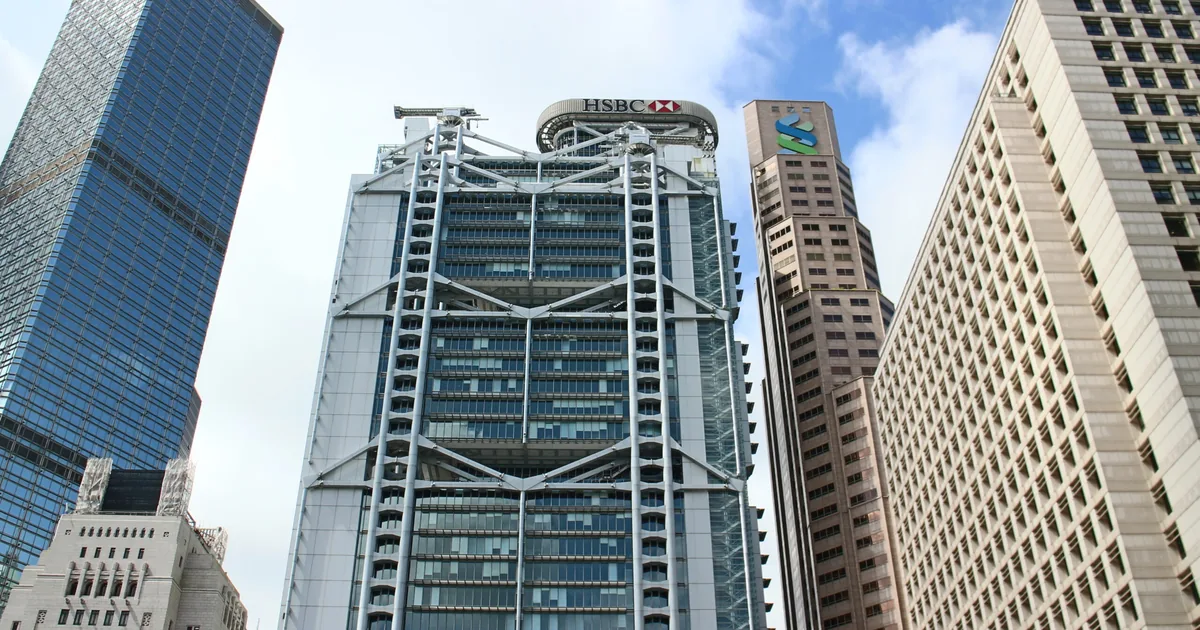
HSBC will set up an artificial intelligence and emerging technology institute in Hong Kong, aiming to open it in the first quarter of 2027. Chief Executive Georges Elhedery announced the plan at Hong Kong Fintech Week on Monday, November 2, 2026, naming the Hong Kong University of Science and Technology (HKUST) as the institute’s anchor academic partner.
The institute is the bank’s second dedicated AI research hub in Asia in under a year, following an AI centre in Singapore announced in July. Elhedery did not disclose how many people the Hong Kong institute will employ. He said the bank would move it to Hong Kong’s Northern Metropolis development — a large project bordering mainland China — once its site there is ready.
A second Asian hub, after Singapore#
The Hong Kong plan extends an AI hiring push HSBC started in Singapore. In July, the bank said its Singapore AI centre would hire more than 100 artificial intelligence specialists. The Hong Kong institute adds a research base in the city where HSBC is the largest bank — and one of the largest private-sector employers, with 28,000 local staff.
Alongside the specialist hiring, HSBC is rolling out AI training to its entire global workforce of roughly 200,000 people, Elhedery said. The pairing matters: the bank is building specialist research capacity and, at the same time, training the staff whose jobs the technology will change. “AI is going to be disruptive. It’s going to transform jobs,” Elhedery said at the event.
Reuters noted that the investment comes as banks globally cut staff in AI-driven overhauls, with lenders such as Citi, Standard Chartered and Barclays unveiling plans this year to cut thousands of jobs. HSBC’s announcement points the other way on skills: hire specialists, and retrain everyone else.
The university link#
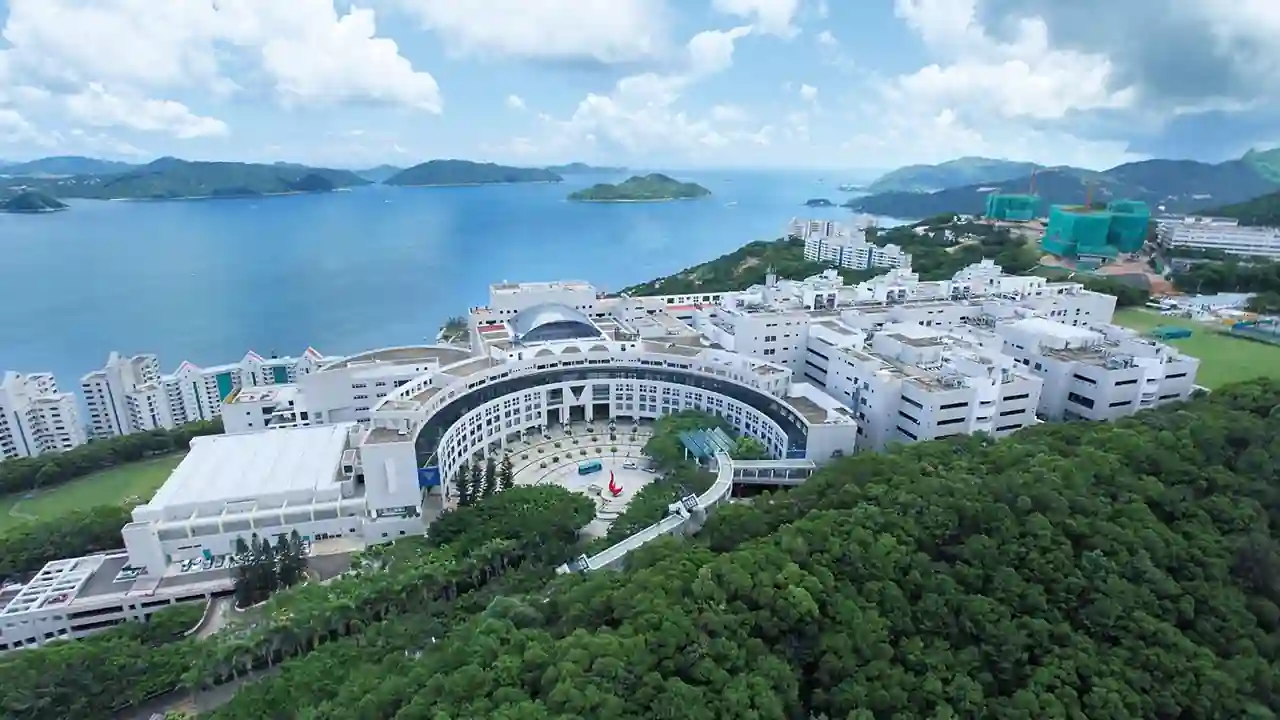
Elhedery named HKUST as the institute’s anchor academic partner, giving the planned operation a university counterpart for its research work. The partnership is the academic anchor of the plan: HSBC has not disclosed a headcount for the institute, a research agenda, or an investment figure, so the university link and the early-2027 target date are, for now, the concrete parts of the announcement.
What is public is the sequence. The institute is planned to launch in the first quarter of 2027, and to move later to the Northern Metropolis once facilities there are ready. Until it opens, the measurable commitments are the launch date, the HKUST partnership, and the training rollout across the bank’s workforce.
Project SAGE: the regulator’s parallel track#
HSBC was not the only AI announcement at Fintech Week. Eddie Yue, chief executive of the Hong Kong Monetary Authority — the city’s de facto central bank — told the same conference that around 80% of all banks in Hong Kong are already adopting AI or generative AI. Separately, Yue said the regulator would launch Project SAGE to support the use of AI agents in finance while setting guardrails to manage the risks.
Under Project SAGE, the HKMA will create a cross-sector expert panel to test AI agent applications and check that agents from different providers can work together. Yue said the authority would also seek views on governance, accountability, a central register of trusted agents and a possible “know your agent” standard. “Innovation and risk management must go hand in hand,” Yue said. He added that the HKMA would expand trials of tokenised Exchange Fund Bills and examine whether regulated stablecoins can serve as a payment method.

What HSBC has not said#
The announcement leaves the most operational questions open. It gives no headcount for the Hong Kong institute, no detail on what the institute will research first, and no investment figure. Reports differ on staffing beyond what Elhedery said, and the bank itself disclosed no Hong Kong hiring target. Readers should treat any such figure as unconfirmed unless HSBC states it.
That restraint is also what makes the story checkable. The institute either opens in the first quarter of 2027 with HKUST as its partner, or it does not; the training either reaches the bank’s roughly 200,000 staff, or it does not. For a bank whose chief executive says AI will transform jobs, the Hong Kong institute is the research half of the bet — and the workforce training is the other half.
Frequently asked questions
When will HSBC’s Hong Kong AI institute open, and who is its academic partner?
HSBC aims to launch the institute in the first quarter of 2027. The Hong Kong University of Science and Technology will be its anchor academic partner, Chief Executive Georges Elhedery said at Hong Kong Fintech Week on November 2, 2026. The bank plans to move the institute to the Northern Metropolis development once its site there is ready.
How many people will work at the Hong Kong institute?
HSBC has not disclosed a headcount for the Hong Kong institute; Elhedery did not give one when he announced it. The hiring figure the bank has disclosed — more than 100 artificial intelligence specialists — is for its Singapore AI centre, announced in July. HSBC is separately rolling out AI training to its roughly 200,000 staff worldwide.
What is Project SAGE?
Project SAGE is a Hong Kong Monetary Authority initiative, announced separately by chief executive Eddie Yue at the same Fintech Week event, to support the use of AI agents in finance while setting guardrails for the risks. The HKMA will create a cross-sector expert panel to test AI agent applications and interoperability, and seek views on governance, accountability, a central register of trusted agents and a possible “know your agent” standard.