Malaysia seizes $12.1M in AI chips at its main airport: falsely declared servers and a suspected smuggling syndicate
Malaysian customs said on October 28 it had seized about 49.5 million ringgit ($12.11 million) in advanced AI chips this month, after finding 30 server units at Kuala Lumpur International Airport’s free trade zone on October 15 — servers falsely declared as electronic components, in a case linked to at least five others worth more than 100 million ringgit in total.
- Who: Malaysian customs, speaking through Kuala Lumpur International Airport customs director Aspalila Ag Tuah.
- What: About 49.5 million ringgit ($12.11 million) in advanced artificial intelligence chips seized this month.
- When: Disclosed to reporters on October 28, 2026; the airport inspection that found the servers took place on October 15, 2026.
- The shipment: 30 server units containing advanced AI chips, found in Kuala Lumpur International Airport’s free trade zone and falsely declared as electronic components.
- The route: The shipment originated in an Asian country and was to be re-exported to another nation in Asia — a move that required a trade permit, according to customs.
- The scale: At least five cases linked to the suspected syndicate, involving seizures worth more than 100 million ringgit in total.
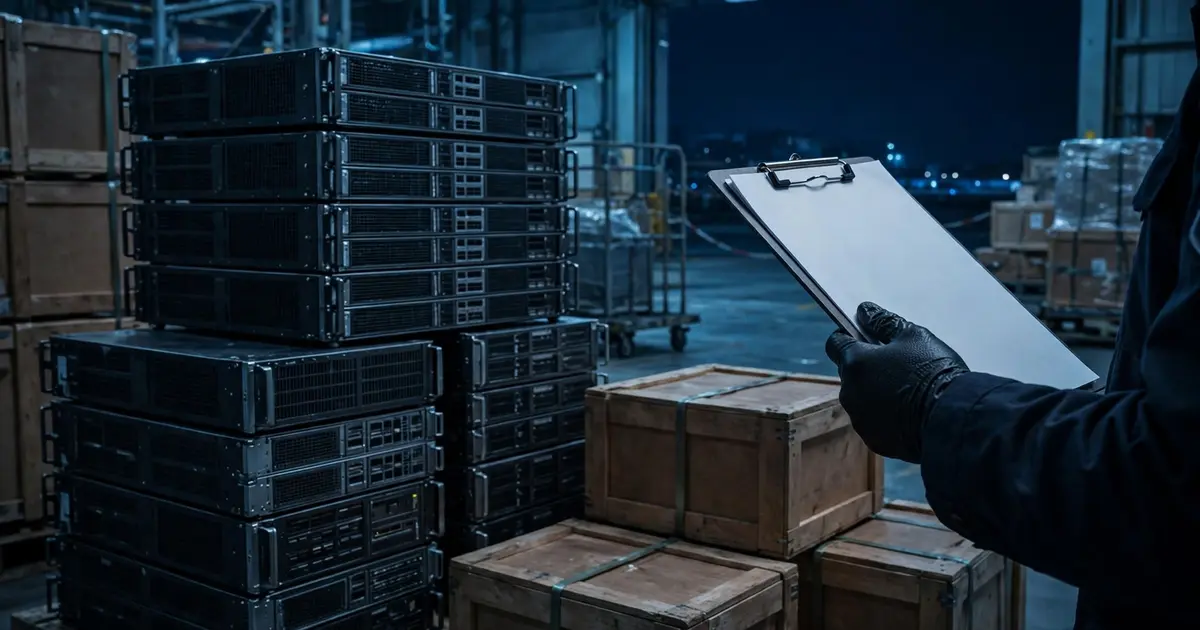
Malaysian customs said on Wednesday, October 28, that it had seized about 49.5 million ringgit ($12.11 million) worth of advanced artificial intelligence chips this month, as authorities close in on a syndicate suspected of smuggling high-performance semiconductors through the country’s main airport. The disclosure, reported by Reuters from Kuala Lumpur, turns a single airport inspection into a window on how AI hardware controls are actually enforced: not at a border wall, but in a free trade zone, on paperwork.
The case centres on an inspection on October 15 in the free trade zone at Kuala Lumpur International Airport (KLIA). There, authorities found 30 server units containing advanced AI chips, KLIA customs director Aspalila Ag Tuah told reporters, according to Reuters. The servers had been declared as something else entirely.
“The servers were falsely declared as electronic components… and shipped through Malaysia to ensure there would be no restrictions imposed while being exported to the next destination,” Aspalila said.

What was on the shipment — and what was not said
Initial investigations found that the shipment originated in an Asian country and was to be re-exported to another nation in Asia, a move that required a trade permit, Aspalila said. A Malaysian firm that facilitated the shipment has been called in to assist investigations.
What the dispatch does not do is fill in the rest of the picture. It does not name the chip models, the origin or destination countries, or any charges, and customs declined to divulge further details, citing an ongoing probe. That restraint matters: the facts established so far are the seizure, the false declaration, and the suspected network behind it — not a proven destination or a named buyer.
Why Malaysia is a chokepoint
Malaysia imposed export controls last year on the movement of advanced AI chips of US origin, following pressure from the United States to stem their flow into China, Reuters reported. In July 2025, Malaysia’s Ministry of Investment, Trade and Industry mandated a Strategic Trade Permit for the export, transshipment and transit of high-performance US-origin AI chips, with a 30-day advance notice requirement, according to trade-data analysis of the measure.
The logic of the regime is straightforward. A chip that cannot legally be sold directly to a restricted buyer can still be re-routed through a third country, so the control point moves to the transit hub. A free trade zone — designed to let goods move with minimal friction — becomes the place where a false declaration does the most work: if the paperwork says “electronic components,” the shipment can, in principle, pass as ordinary cargo.
A pattern, not a one-off
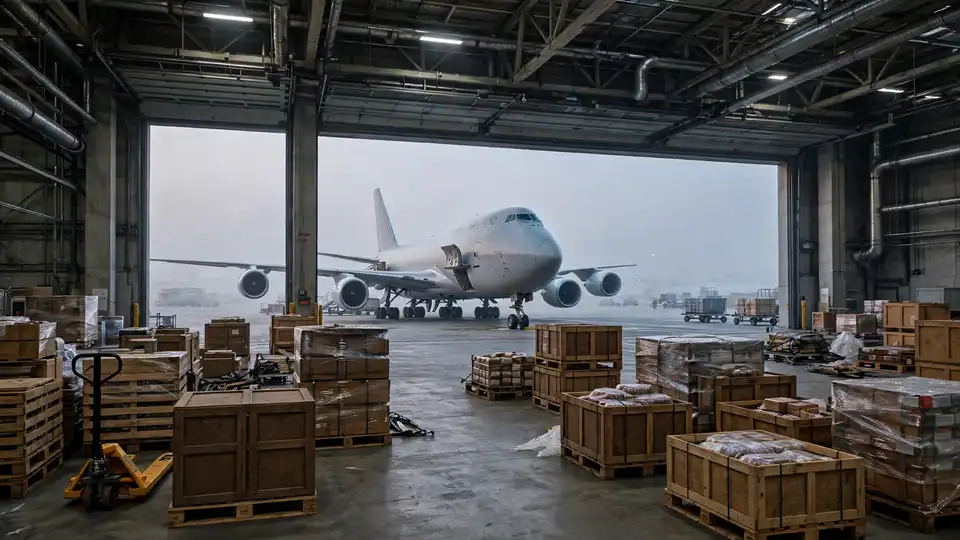
Customs suspects the shipment was carried out by a network responsible for a similar smuggling attempt foiled by customs authorities in June, Aspalila said. At least five cases have been linked to the syndicate, involving seizures of chips worth more than 100 million ringgit in total — more than double the value of this month’s disclosed seizure alone.
That framing is the most consequential part of the announcement. A single $12.1 million seizure is a law-enforcement event; five linked cases totalling over 100 million ringgit is evidence of a route, with repeat operators, facilitators and paperwork tricks. It also explains why customs went public with an October 15 inspection two weeks later: the disclosure is less about one shipment than about signalling that the route is being watched.
What to watch
The investigation is ongoing, and customs has withheld further details. The open questions are whether charges follow, whether the linked cases are disclosed in detail, and whether the Malaysian firm called in to assist investigations faces any action. Until then, the verified record is narrow but telling: 30 servers, a false declaration, a permit that was never obtained, and a network customs believes it has seen before.
Sources: Reuters dispatch via BusinessWorld and SRN News (October 28, 2026); Epoch AI analysis of Malaysia’s July 2025 chip trade measures. The editorial illustrations are AI-generated.