Manchester road-tests NVIDIA and UW's RFD4-Proteina: 4 of 67 AI-designed enzymes worked, the best converting 79%
- Who: University of Manchester researchers (Prof. Anthony Green, Director of the Manchester Institute of Biotechnology) with the UW Medicine Institute for Protein Design
- What: road test of RFD4-Proteina designing enzymes for a key chemical reaction involved in making lenacapavir
- When: announced October 22, 2026; the model itself debuted October 21 at NVIDIA’s GTC Berlin event
- Result: 4 of 67 enzyme designs showed clear activity; the best converted 79% of the starting amine into the desired product
- Model claims: design success rates 5–10× higher than previous models; generates candidates 5–10× faster
- Openness: open model via NVIDIA BioNeMo, released under an open Berkeley Software Distribution license (per GeekWire)
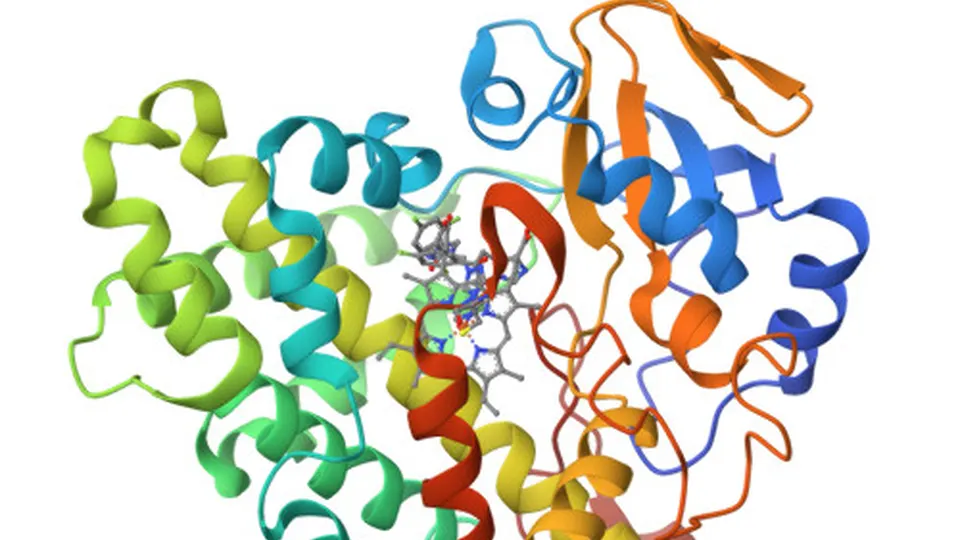
The University of Manchester has published the first wet-lab road test of RFD4-Proteina, the new protein-design model from the UW Medicine Institute for Protein Design (IPD) and NVIDIA. Working directly with the IPD team, Manchester researchers asked the model to design enzymes for a key chemical reaction involved in making lenacapavir — then synthesized the designs and put them through the flask test.
Four of 67 worked
Of 67 enzyme designs the AI produced, four showed clear activity, with the best converting 79% of the starting amine into the desired product. “It was a pleasure to work with the IPD team to road-test the new RFD4-Proteina model on a highly complex and valuable enzyme design challenge,” said Professor Anthony Green, Director of the Manchester Institute of Biotechnology. “The initial results are spectacular and show how these advanced models can rapidly deliver new biocatalysts for producing therapeutics and other essential chemicals.”
What the model claims
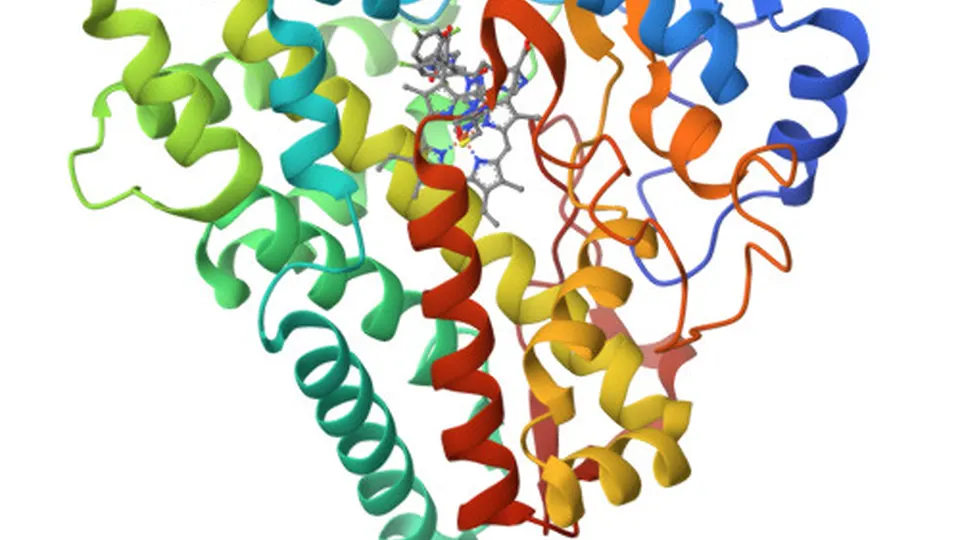
RFD4-Proteina is a unified generative model that produces a protein’s sequence and its full atomic structure together, then can spend extra compute searching for better candidates. Across computational benchmarks, the model achieved design success rates five to ten times higher than previous models and generated candidates five to ten times faster, according to the Manchester announcement.
The release around it
NVIDIA and the UW Institute for Protein Design debuted the model on October 21 at NVIDIA’s GTC Berlin event, describing it as a new NVIDIA BioNeMo open model that combines programmable protein design with search capabilities. GeekWire reported it is the first AI protein model the University of Washington has co-developed with NVIDIA, released under an open Berkeley Software Distribution license. IPD director and 2024 chemistry Nobel laureate David Baker said the model “will open the door to new solutions in medicine, sustainability, materials and biotechnology.”
Why the wet-lab result matters
The Manchester numbers matter because they are lab results, not leaderboard scores. Designing an enzyme that actually performs a chosen reaction is notoriously hard — a 4-in-67 hit rate with 79% conversion on a complex, valuable step suggests RFD4-Proteina’s computational gains are translating into real productivity. It is a proof of concept for using AI-designed biocatalysts to support more sustainable drug production.
Frequently asked questions
What is RFD4-Proteina?
A unified generative model for protein design created by the UW Medicine Institute for Protein Design in collaboration with NVIDIA. It generates a protein’s sequence and full atomic structure together, then can spend extra compute searching for better candidates. It debuted as an open NVIDIA BioNeMo model on October 21 at NVIDIA’s GTC Berlin event.
What did the Manchester team actually test?
They asked RFD4-Proteina to design enzymes for a key chemical reaction involved in making lenacapavir, then synthesized and tested 67 designs in the lab. Four showed clear activity, and the best converted 79% of the starting amine into the desired product. The work was led by Professor Anthony Green, Director of the Manchester Institute of Biotechnology.
Why does a 4-of-67 hit rate matter?
Because it is wet-lab validation, not a benchmark score. Enzymes that actually perform a chosen reaction in a flask are notoriously hard to design, so 4 active designs with 79% peak conversion on a complex, valuable drug-synthesis step is a proof of concept that AI-designed biocatalysts can support more sustainable drug production.