FDA clears Neuralink to launch LINK, the first pivotal trial for an implantable brain-computer interface
Neuralink has FDA clearance to run the first pivotal trial of an implantable brain-computer interface in the United States — a late-stage test of whether its N1 implant can safely restore digital independence for people with severe paralysis from ALS.
- The milestone: FDA clearance to launch the LINK Pivotal Study, the first pivotal trial for an implantable brain-computer interface in the United States.
- Who it covers: people with severe paralysis due to ALS. The study measures safety, effectiveness, and functional outcomes that improve independence in daily life.
- The evidence so far: more than 30 participants in early feasibility studies in the US, Canada, and the UK, with thousands of hours of real-world use.
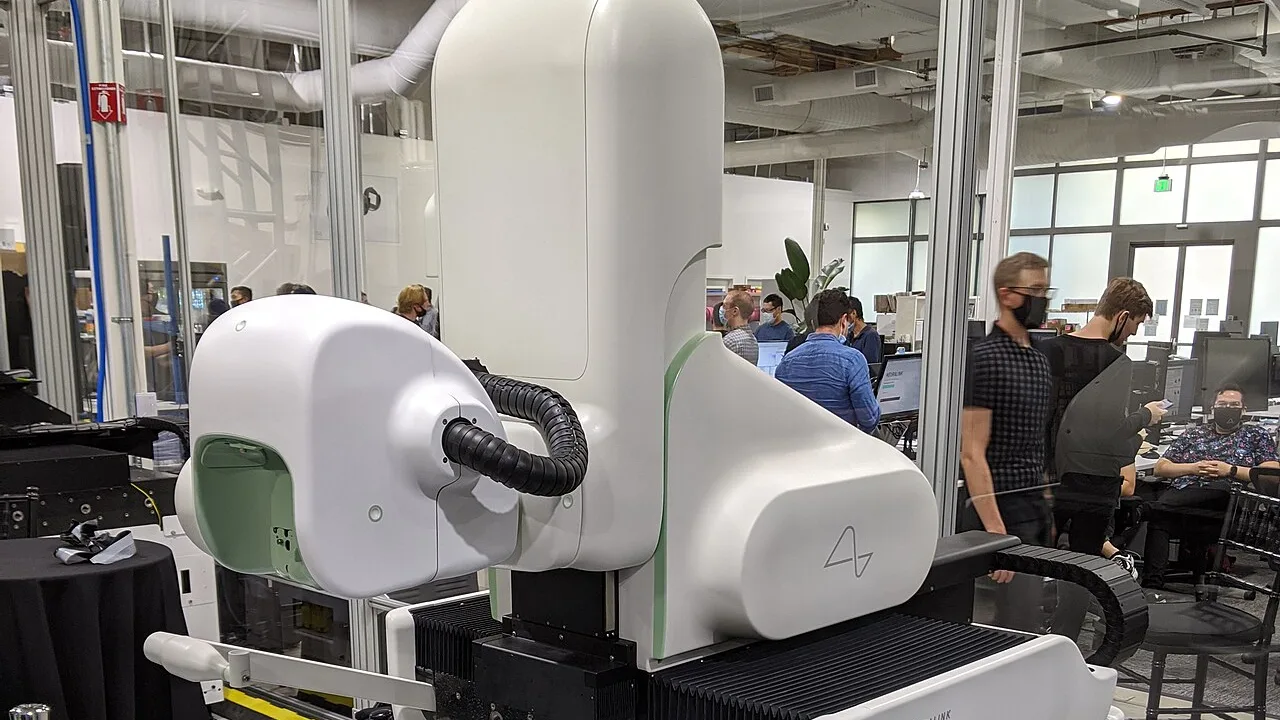
- The hardware: the N1 implant records neural signals from the brain’s hand-movement region and turns imagined motion into digital commands; the R1 surgical robot places it.
- The road so far: first FDA authorization for human testing in May 2023; first human implant, Noland Arbaugh, in January 2024 under the earlier PRIME Study.
- What’s not disclosed: no enrollment target or timeline for results has been published.
Neuralink has received clearance from the U.S. Food and Drug Administration to launch the LINK Pivotal Study — the first pivotal clinical trial for an implantable brain-computer interface in the United States. The study will test whether the company’s N1 implant can safely and effectively restore digital independence for people living with severe paralysis caused by amyotrophic lateral sclerosis (ALS). Enrollment is now open.
The announcement, published by Neuralink on November 25, marks a shift in the company’s regulatory standing: after three years of early feasibility work, it is moving into the late-stage clinical evaluation that precedes any application to sell the device. Independent press coverage the same day confirmed the clearance and framed it the same way — a step toward potential commercial approval, not approval itself.
What the LINK study will test#
The study’s goal is to evaluate the safety and effectiveness of the Neuralink BCI system in people with severe paralysis due to ALS. Participants will be assessed on their ability to use the implant to control digital devices through thought, with the emphasis on functional outcomes that improve independence in daily life — the everyday tasks that severe paralysis makes impossible without help.
It will also keep measuring the long-term safety and reliability of the system across multiple clinical sites. That matters because an implantable device is not a one-time intervention: the question is not only whether it works on day one, but whether it keeps working safely for years inside a human brain.
Enrollment for the study is now open, and Neuralink is directing interested patients to its Patient Registry.
From feasibility to pivotal#
The pivotal trial builds on Neuralink’s ongoing early feasibility studies in the United States, Canada, and the United Kingdom, where more than 30 implanted participants have collectively contributed thousands of hours of real-world use. Those participants have used their implants to pursue higher education, express their creativity, play video games, and communicate with loved ones — the kind of concrete, everyday use that feasibility studies are meant to demonstrate before a company asks the FDA to bless a larger trial.
The road here has been deliberate. Neuralink first secured FDA authorization for human testing in May 2023, and performed its first human implantation — Noland Arbaugh — in January 2024 under its earlier PRIME Study. The step from feasibility to pivotal is the regulatory dividing line between “this can be tested in people” and “this works well enough to be sold.” LINK is the study that has to produce the evidence for the second claim.
What the implant actually does#
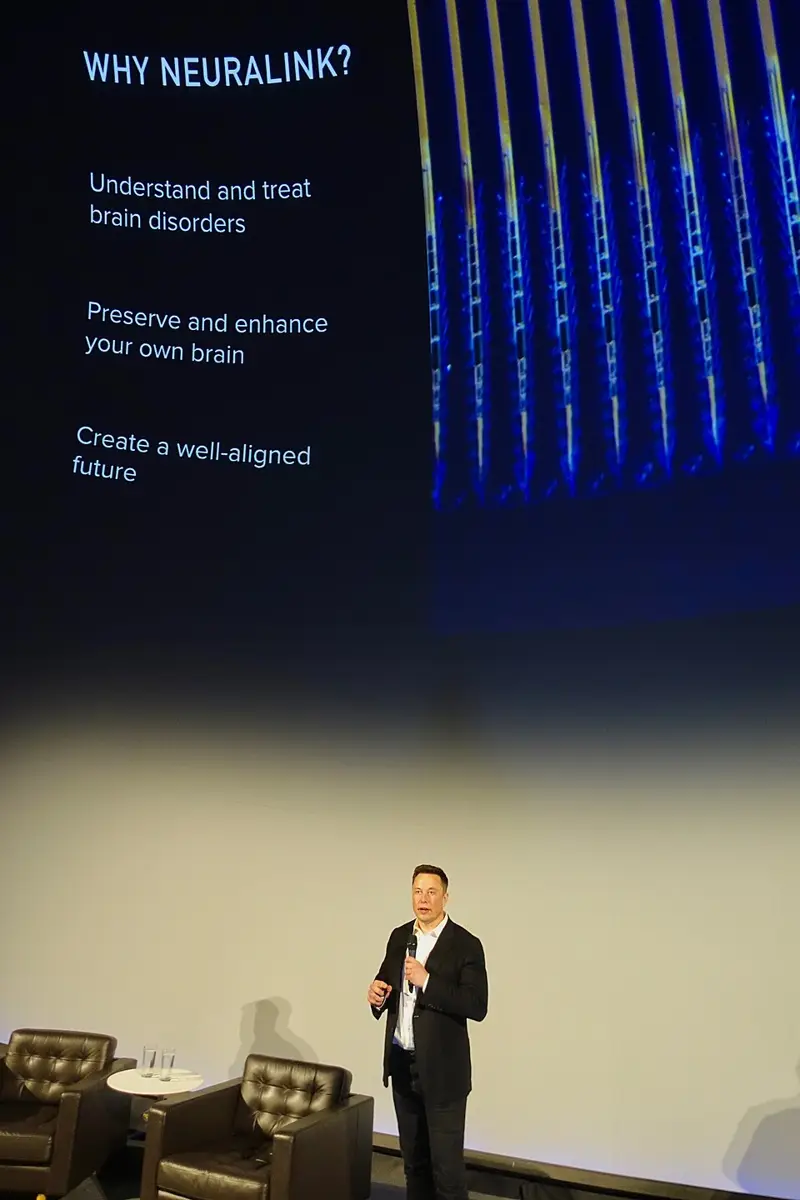
The N1 device records neural signals from the brain region responsible for hand movement and translates imagined motions into digital commands — cursor navigation and left, right, and middle clicks. That is enough, in practice, to let someone with severe paralysis or speech loss send messages, write software code, build 3D models, and play games. The implant is placed by the R1 surgical robot, which Neuralink designed to insert the device’s electrode threads with a precision a human hand cannot match.
The design is deliberately narrow in scope: it reads motor intent, not thoughts in the broad sense, and turns that intent into the same inputs a mouse or keyboard would provide. The ambition is not mind-reading. It is giving someone who cannot move a reliable way to operate a computer.
What clearance does — and doesn’t — mean#
It is worth being precise about what happened. The FDA cleared Neuralink to run the pivotal trial. It did not approve the N1 implant for sale, and it did not declare the device safe or effective. The pivotal data is the evidence a future marketing application would be built on — and the FDA can ask for more data before it ever grants that approval.
That distinction is the difference between a milestone and a finish line. Pivotal trials are where implantable devices most often stumble: long-term reliability, infection risk, and the durability of the brain-device interface are all questions that only show up with time and numbers. Neuralink has not disclosed an enrollment target or a timeline for results, so there is no public clock to judge the trial against yet.

What to watch#
Three things decide whether LINK becomes a landmark or a footnote. First, enrollment pace and the multi-site safety record — a pivotal trial lives or dies on whether it can recruit and keep participants safe. Second, whether the functional outcomes show meaningful independence gains rather than laboratory demos: controlling a cursor in a clinic is one thing; living with the device is another. Third, whether the pivotal data, when it eventually arrives, is strong enough to support a marketing filing — the step that would turn Neuralink from a research program into a medical-device company.
The first pivotal trial for an implantable brain-computer interface is a real milestone, and the FDA’s clearance to run it is genuine news. But the device is still a trial device, and the evidence that matters most has not been collected yet. What happens in LINK will decide whether brain-computer interfaces are a medical product or still a promise.
Sources: Neuralink, “Neuralink Receives FDA Approval to Launch LINK Pivotal Study”; Yahoo Finance / Investing.com, “Neuralink secures FDA approval for first pivotal brain-computer interface trial”