Sierra doubles its valuation to $30B with a $1.75B Series F
Sierra, the AI customer-service company co-founded by former Salesforce co-CEO Bret Taylor, has raised $1.75 billion at a $30 billion valuation — doubling its price tag in about six months. It is the latest sign that investors believe customer service is where AI agents are already paying for themselves.
- The round: $1.75 billion Series F at a $30 billion valuation, led by Greenoaks and Lightspeed Venture Partners, with Benchmark, Sequoia, GV and Tiger Global participating.
- The growth: more than $400 million in annual recurring revenue, up from $200 million five months ago and $100 million before that; over $150 million added in the third quarter alone.
- The customers: almost 50% of the Fortune 50, including BNY, HSBC, Singtel, Wells Fargo, JPMorganChase, Pearson, Next and Cox Automotive.
- The model: outcome-based pricing — customers pay for completed outcomes, like a refinanced loan or a paid claim, not for tokens used.
- The context: rival customer-experience startups are raising at big marks too — ElevenLabs at $22 billion, Decagon at $4.5 billion, Wonderful at $5 billion and Parloa at $3 billion.
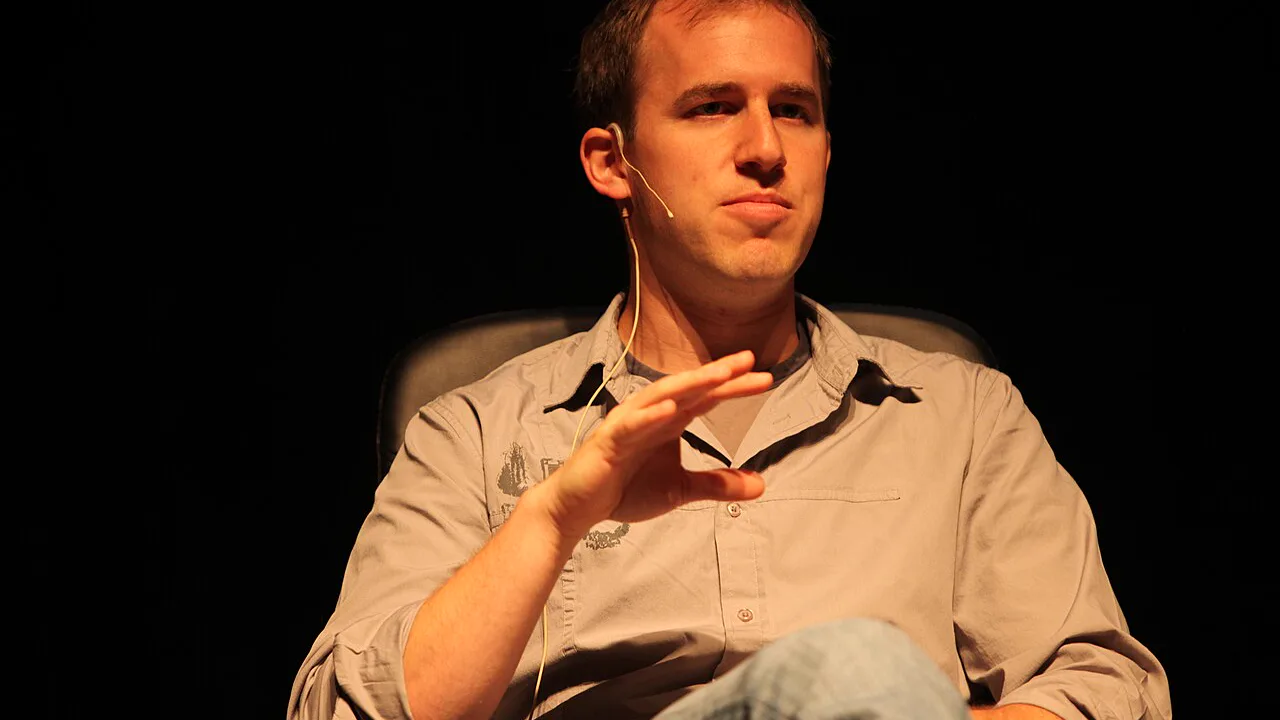
Sierra, the AI customer-service company co-founded by former Salesforce co-CEO Bret Taylor, has raised $1.75 billion at a $30 billion valuation — doubling its price tag in about six months. It is the latest sign that investors believe customer service is where AI agents are already paying for themselves.
The Series F, announced on Monday, was led by Greenoaks and Lightspeed Venture Partners, with existing backers Benchmark, Sequoia, GV and Tiger Global joining in. It lands roughly six months after a round that valued the company at $15 billion — and alongside revenue numbers that explain why investors moved so fast.
The round in numbers#
A $1.75 billion raise is large by any standard, but the valuation is the real story: $30 billion for a company that launched barely two and a half years ago. Sierra plans to put the money into its technology stack, so its agents can take on more of the servicing workload, and into hiring more sales staff to sign and maintain enterprise contracts faster than its rivals.
The investor list reads like a roll call of the firms that have backed the company from the start. Greenoaks and Lightspeed led the round, while Benchmark, Sequoia, GV and Tiger Global — all of which have led previous rounds — came back in. For a company this young to double its valuation between rounds, the existing investors had to want to stay in, not just new money to show up.
Growth that explains the price#
Sierra says it has passed $400 million in annual recurring revenue. The pace is what stands out: it took six months to double from $100 million to $200 million, then only five months to double again to $400 million. In the third quarter alone it added more than $150 million in ARR — more than it generated in all of last year.
The company credits its customers' ambition as much as its own technology. Its clients are among the largest and most heavily regulated businesses in the world, and they are pushing to do more with agents, faster. One large US retailer with more than $40 billion in revenue went from first meeting to a live agent in 27 days using Sierra's Ghostwriter building tool.

Customer service is where agents are already working#
Enterprise customer service has become one of the few corners of AI where adoption is moving fast rather than inching along. Sierra says it now works with almost half of the Fortune 50, with clients including BNY, HSBC, Singtel, Wells Fargo, JPMorganChase, Pearson, Next and Cox Automotive. The work itself is changing shape: agents are moving beyond one-and-done support chats toward interactions that last weeks or months and drive revenue.
Part of the pitch is commercial, not just technical. Sierra charges for outcomes — a loan refinanced, an insurance claim paid, a sale closed, a customer retained — rather than for tokens consumed. That aligns the company's revenue with results its customers can measure, and it is a large part of why the growth numbers look the way they do.
Sierra is also working on the plumbing for a world in which personal agents talk to businesses on their owners' behalf. It is developing an open standard, Poppy, with more than 50 enterprises — including Meta, Shopify, Stripe and Walmart — to define how those agents should interact with a brand, with fine-grained controls over what they can do. The bet is that the companies that set those rules will shape the next era of customer contact.
Not everyone inside the industry expects the human side of support to vanish. At the HumanX conference in Amsterdam in September, Sierra co-founder Clay Bavor argued that despite the popular belief that AI customer-service companies are replacing people in contact centers, a majority of its customers are reassigning roles to existing employees instead.

A funding wave across customer experience#
Sierra is not raising in isolation. Voice AI company ElevenLabs is now valued at $22 billion; Decagon at $4.5 billion; Wonderful at $5 billion; and Parloa at $3 billion. Several other startups in the space have taken in more than $100 million each. Investors are, in effect, placing parallel bets on the same thesis: that the contact center is the first enterprise function AI agents will genuinely transform, and that the winners will be decided quickly.
| Company | Valuation | Focus |
|---|---|---|
| Sierra | $30B | Enterprise customer-service agents |
| ElevenLabs | $22B | Voice AI |
| Wonderful | $5B | Customer experience |
| Decagon | $4.5B | Customer-service agents |
| Parloa | $3B | Conversational AI for support |
The valuations are rich, and they invite an obvious question: what happens if the growth curves bend? For now, the numbers Sierra is reporting — a doubling every five to six months, a client list that covers half the Fortune 50 — are the kind that make a $30 billion price tag look less like a leap and more like a straight line drawn forward.
What to watch#
Three things matter next. First, whether Sierra can keep the doubling cadence going as the revenue base gets bigger — $400 million doubling again means finding another $400 million. Second, whether outcome-based pricing holds up at scale, when customers start negotiating hard on what counts as an outcome. And third, how the competitive field shakes out: the model labs, the incumbents and the funded CX startups are all converging on the same enterprise buyers, and Sierra's fresh $1.75 billion is as much a war chest for that fight as it is a vote of confidence.