Nvidia board launches independent investigation after Jensen Huang admits affair with alleged Chinese spy
Nvidia’s board opened an independent investigation on Sunday after CEO Jensen Huang told staff he had a romantic relationship with a woman U.S. intelligence believes was recruited by China. The board says it has no reason to believe company secrets were compromised — but the inquiry puts the AI chipmaker under a new kind of scrutiny.
- The inquiry: announced Sunday, November 8; overseen by a committee of independent directors assisted by outside independent counsel. No deadline was given.
- The admission: Huang told the company in a staff message that he had a romantic relationship with a suspected Chinese spy, according to Axios, which also published his letter to staff.
- The woman: Alice Huang, a former executive at Megaspeed, a Singapore-based Nvidia customer. U.S. officials believe she was recruited by China’s Ministry of State Security, according to the New York Times. The two Huangs are not related.
- The board’s position: “no reason to believe” national security or Nvidia secrets were compromised; full confidence in Huang and his leadership team; further updates as appropriate.
- Next dates: Huang has until November 11 to reply to three House committee chairs who invited him to a closed-door briefing on November 18.
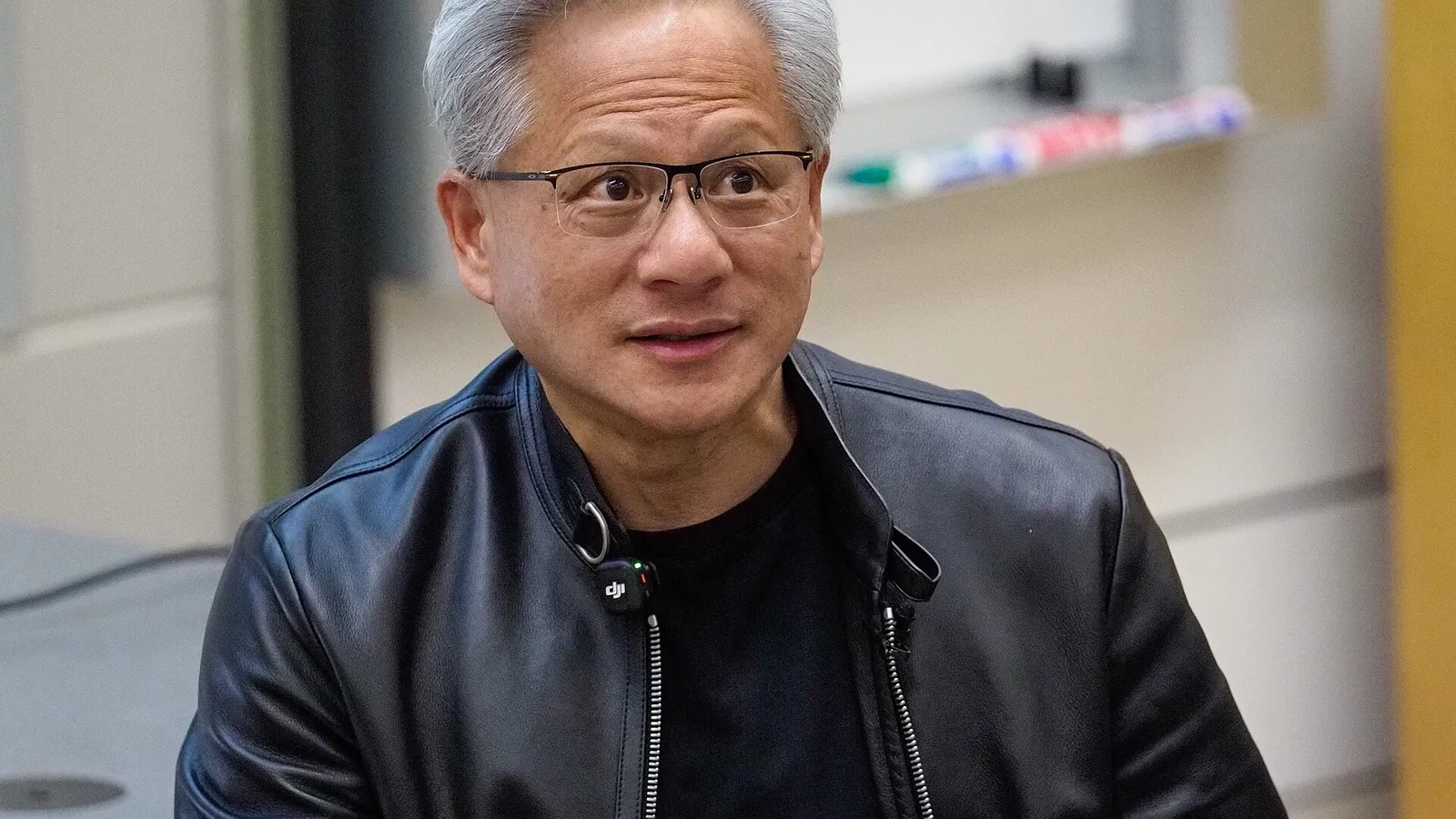
Nvidia’s board of directors opened an independent investigation on Sunday into reports that chief executive Jensen Huang was the target of a foreign intelligence operation — hours after Huang told employees he had a romantic relationship with a woman U.S. officials believe was recruited by Chinese intelligence.
The two announcements landed on the same day, and together they move a week of anonymous-source reporting onto firmer ground: a board statement, a message from the chief executive himself, and a formal inquiry run by independent directors with outside lawyers. What they do not do is settle the underlying question. No charges have been brought, no finding of wrongdoing has been made, and the intelligence memo at the center of the story has not been made public.
What the board actually announced#
The board’s statement, dated November 8, is short and carefully worded: the board is initiating an independent investigation “in light of recent reporting” that Huang was the target of a foreign intelligence effort, run by a committee of independent directors assisted by outside independent counsel. It stresses that the board prioritizes U.S. national and economic security, and that it has “no reason to believe that either national security or NVIDIA secrets were compromised” — while adding that the inquiry “will examine all available information.”
Two lines matter most. First: “Jensen fully supports the review and has committed to cooperating with it.” Second: “The Board has confidence in Jensen and his leadership team.” Read together, they are the board’s attempt to do two things at once — investigate its own chief executive and signal that he is not, for now, on his way out. The statement names no one besides Huang, describes no relationship, and sets no timetable.
What Huang admitted — and what he did not#
Axios reported on Sunday that Huang “admitted to having a romantic relationship with a suspected Chinese spy in a message to his company,” and published his letter to staff. The admission is the new fact of the day: until now, the relationship had been described only in a classified U.S. intelligence memo, as reported by the Financial Times on Friday night.
It is worth being precise about what the admission confirms. It confirms the relationship. It does not confirm the espionage allegation — the claim that the woman worked for Chinese intelligence rests on U.S. intelligence assessments reported by the New York Times, not on anything Huang is reported to have said. China has denied the spying allegations, and Nvidia previously described Huang’s interactions with the woman as normal business contacts. The woman is not named in the visible portion of the Axios report; her identity — Alice Huang, a former executive at the Singapore-based data-center company Megaspeed — comes from the Times’ reporting. She is not related to Jensen Huang.
The allegation behind the inquiry#
The chain of reporting runs like this. The New York Times reported on November 6 that U.S. intelligence officials believed Alice Huang had been recruited by China’s Ministry of State Security to gather information about Jensen Huang. The alleged operation, according to the Times, was aimed at learning about American AI chips and potentially influencing Nvidia’s position on advanced chip exports to China. The Financial Times then reported on Friday night that a classified memo described a romantic relationship between the two.
Megaspeed is the commercial thread. The Singapore company bought billions of dollars’ worth of Nvidia chips and rented computing power to Alibaba, and U.S. authorities have been investigating whether advanced Nvidia chips supplied to Megaspeed were diverted into China in breach of American export controls. Nvidia has said its own investigation found no evidence of chip smuggling. That earlier company inquiry is not the same as the one announced Sunday: the first looked at whether chips were diverted; the new one, run by the board with outside counsel, looks at whether the chief executive himself was targeted by a foreign intelligence effort.
Why it matters beyond Nvidia#
Start with the policy stakes. Huang has been the tech industry’s most prominent voice arguing for looser restrictions on selling advanced AI chips to China, and Axios noted the scandal “raises national security concerns involving one of the world’s most powerful tech CEOs, who has pushed to loosen restrictions on selling advanced AI chips to China.” The allegation, if it were ever substantiated, would hand his critics in Washington a ready-made argument that the industry’s loudest export-control dove was compromised on the very question he lobbies on. It has not been substantiated — and that distinction is the whole story for now.
Then there is the political reach. The Times’ Sunday reporting said concern inside the U.S. government about the matter rose as high as Secretary of State Marco Rubio. Three House committee chairs have already invited Huang to a closed-door briefing on November 18, with a reply due by November 11. And there is the governance precedent: boards rarely open formal investigations into sitting chief executives, and rarer still while publicly expressing confidence in them. How Nvidia handles the next few weeks — who the outside counsel is, whether the inquiry has a deadline, what it actually examines — will be watched as a template by every other company whose chief executive becomes a national-security story.
What to watch#
Four things, in order. First, the November 11 reply deadline and the November 18 House briefing: whether Huang attends, and whether anything said there becomes public. Second, the inquiry itself: the board has named no counsel and no timetable, and the first real test of its independence will be whether it reports anything before the story cools. Third, evidence: so far nothing public shows that information actually changed hands, and U.S. agencies are said to have concluded there is no evidence Huang knew of any alleged intelligence links. Fourth, the export-control debate: watch whether the episode shifts the politics of chip sales to China, where Huang has been the industry’s most effective advocate.
Until one of those moves, the honest summary is short: a relationship admitted, an investigation opened, and the serious questions — what, if anything, was passed on, and to whom — still unanswered.
Sources: Axios, ‘Nvidia CEO Jensen Huang admits affair, board to launch investigation’ (November 8, 2026), here; VideoCardz, ‘NVIDIA board launches investigation into alleged Chinese spy operation targeting Jensen Huang’ (November 8, 2026; includes the full text of the Nvidia board statement dated November 8, 2026), here; Gizmodo, ‘Nvidia CEO Jensen Huang Admits Affair with Chinese Spy’ (November 8, 2026), here; TradingView (Seeking Alpha), ‘Nvidia opens review into alleged Chinese spy effort targeting CEO Huang’ (November 8, 2026), here; eteknix, ‘Nvidia Board Launches Investigation Into Suspected Jensen Huang Affair’ (November 8, 2026), here; the r/singularity thread, here; the r/ArtificialIntelligence thread, here. Cover photo: Jensen Huang speaking at Stanford University, April 30, 2026, photo by Anderseidesvik, CC BY-SA 4.0, via Wikimedia Commons. Second image: Nvidia headquarters, Santa Clara, photo by Kevin McCarthy, CC BY 2.0, via Wikimedia Commons. Third image: Nvidia sign, Scott Boulevard, Santa Clara, photo by Will Buckner, CC BY 2.0, via Wikimedia Commons.