OpenAI acquires Orchestra Bio, putting AI agents in charge of drug-development grunt work
- Who: OpenAI Group PBC, which announced the acquisition on Tuesday, October 20, 2026.
- What: Orchestra Bio Inc., a four-year-old San Francisco startup building AI agents for drug-development operations. Financial terms were not disclosed, and OpenAI gave no timeline for when the agents will show up in its products.
- What the agents do: monitor studies, track development timelines, track finances, and resolve clinical-trial scheduling issues. When a failed manufacturing batch threatens a trial, the agents work out which activities and timelines are hit and weigh responses — humans make the final call.
- The numbers: a new medicine takes 10 to 15 years to reach U.S. approval; bringing one approved drug to market can cost more than $2.6 billion; fewer than 10% of candidates entering human testing make it. Orchestra had raised around $20 million as of 2025 from Andreessen Horowitz, Atria, and 8VC.
- Where it lands: Rosalind, OpenAI's life-sciences suite — GPT-Rosalind launched in April, Rosalind Workbench connects the model to scientific tools and data, a trusted-access program opened in September, and Moderna and Novo Nordisk are already working with OpenAI on it.
OpenAI announced on Tuesday that it has acquired Orchestra Bio, a four-year-old San Francisco startup whose AI agents do the unglamorous operational work of drug development — monitoring studies, tracking budgets, and untangling clinical-trial schedules. The startup's team and technology will be folded into Rosalind, OpenAI's life-sciences suite. Financial terms were not disclosed.
The deal continues OpenAI's push from model-maker into the workflow software of specific industries. Rather than competing with pharma on discovering molecules, OpenAI is buying the layer that keeps sprawling drug programs on schedule — and plugging it into its own biology research tools.
Not the molecule — the machinery around it
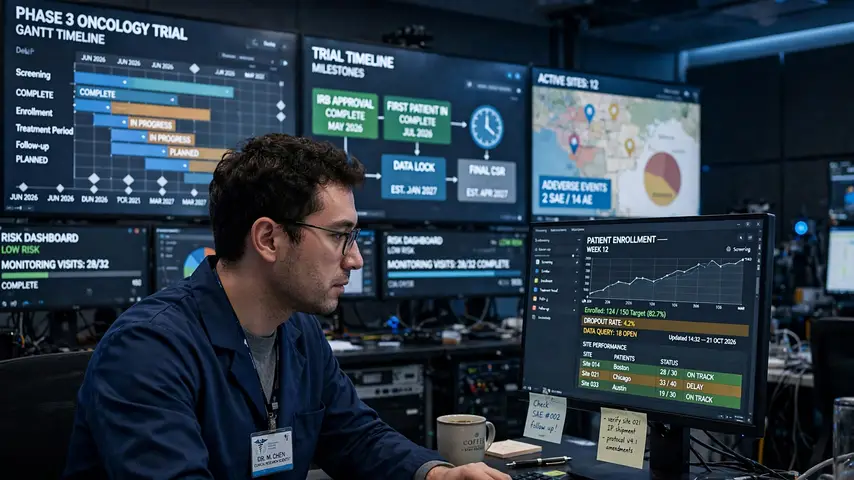
Orchestra describes its platform as an "agentic operating layer" for drug development. Its agents keep watch over tasks like monitoring studies, tracking development timelines, tracking finances, and resolving scheduling problems with clinical trials — the kind of work where drug programs quietly stall even when the science itself is sound.
The canonical example is a failed manufacturing batch that threatens to push a trial back. In that scenario, Orchestra's agents would work out which activities and timelines are hit, gather the relevant information, and compare ways to respond — while scientists and program leaders make the final call.
"We've acquired Orchestra Bio, a platform that helps biopharma teams coordinate the complex process of drug development," OpenAI said in its announcement. "Together, we'll build on Rosalind, our AI models and tools for life sciences research, to streamline those operations and help new treatments reach patients…" (OpenAI, via Interesting Engineering)
Why the operating layer matters
OpenAI's case for the deal comes down to time. Getting a new medicine from first idea to U.S. regulatory approval takes 10 to 15 years on average by the company's count, and development passes between internal departments and outside partners — contract research organizations and contract manufacturers — whose systems often don't connect.
The economics sharpen the point: bringing one approved drug to market can cost more than $2.6 billion, and fewer than 10% of candidates that enter human testing ever make it to pharmacy shelves. Every month shaved off that timeline is a month earlier a new treatment reaches patients — and a month earlier the developer can generate cash.
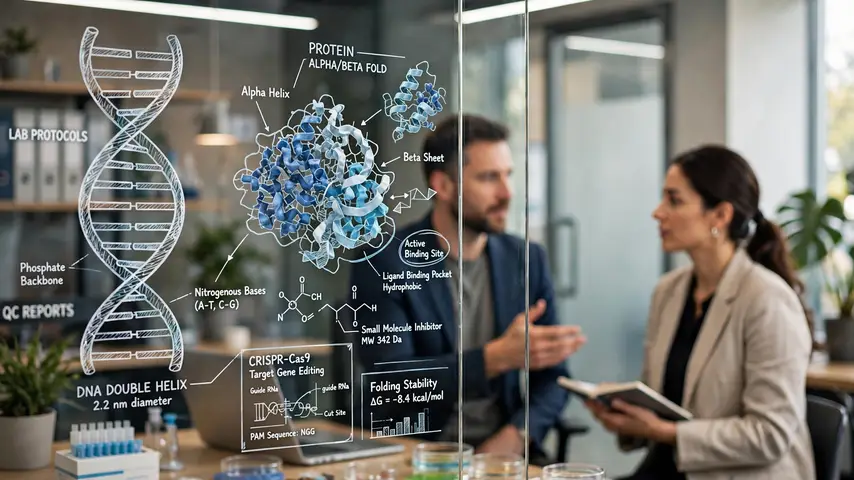
Rosalind, the unit Orchestra is joining, dates to April, when GPT-Rosalind launched as a reasoning model for biology and drug discovery research. Eligible organizations have been able to use it outside research preview since September under a trusted-access program, and Rosalind Workbench connects the model to scientific tools and data. Moderna and Novo Nordisk are among the drugmakers already working with OpenAI on Rosalind.
The labs are racing to own pharma's workflow
The acquisition lands roughly six months after Anthropic's roughly $400 million purchase of Coefficient Bio in April — a sign that the biggest AI labs are pushing into science as they expand beyond their core strengths in coding, as one outlet covering the deal put it. TechCrunch framed the deal as a classic labs-versus-startups story with a twist: this time the startup is being absorbed, not stomped out.
For Orchestra, the numbers tell the startup story: about four years from founding to acquisition, with roughly $20 million raised as of 2025 from backers including Andreessen Horowitz, Atria, and 8VC. OpenAI shared the deal exclusively with Axios on Tuesday, disclosed no terms, and gave no timeline for when Orchestra's agents will show up in its products.
Frequently asked questions
What does Orchestra Bio's software actually do?
It is an "agentic operating layer" for drug development: AI agents monitor studies, track development timelines and finances, and resolve clinical-trial scheduling problems. When something like a failed manufacturing batch threatens a trial, the agents map which activities and deadlines are hit, gather the relevant information, and compare possible responses — while scientists and program leaders make the final call.
What is Rosalind?
Rosalind is OpenAI's suite of AI models and tools for life-sciences research. It began with the GPT-Rosalind reasoning model for biology and drug discovery, launched in April; Rosalind Workbench connects the model to scientific tools and data; a trusted-access program opened to eligible organizations in September; and Moderna and Novo Nordisk are already working with OpenAI on it.
Why are the big AI labs buying biotech companies?
The labs are expanding beyond their core strengths in coding into the workflow software of big industries like pharma. Anthropic bought Coefficient Bio for roughly $400 million in April; OpenAI's Orchestra Bio acquisition — its team and technology folding into Rosalind — is the same play on OpenAI's side.