NEXA: Opti Digital's AI assistant answers publishers' ad-revenue questions in plain language
Opti Digital launched NEXA on November 9, 2026, an AI-powered intelligence layer that lets publisher teams ask plain-language questions about their ad revenue instead of digging through dashboards. Its first piece, NEXA AI Assistant, traces revenue movements to their causes and suggests what to do next — and a proactive alerting agent is promised to follow.
What we checked: Opti Digital’s November 9, 2026 ACCESS Newswire announcement, cross-checked against ExchangeWire’s same-day coverage.
- What: NEXA, Opti Digital’s AI-powered intelligence layer for publisher monetisation.
- Who: Opti Digital, a Paris-based AdTech company focused on publisher revenue optimisation; co-founder and CSO Sébastien Moutte and CEO Magali Quentel-Reme announced it.
- When: Announced November 9, 2026, via ACCESS Newswire.
- First capability: NEXA AI Assistant — natural-language questions about monetisation performance, root-cause investigation and recommended next steps.
- Next: NEXA Alerting Agent — publishers define what matters, create monitoring rules with AI, detect anomalies and surface important changes. No launch date given.
- Scale: More than 10,000 websites and apps use Opti Digital’s platform, including Euronews, Ziff Davis, Forbes, Gizmodo, Webedia, Valnet and 1XL.
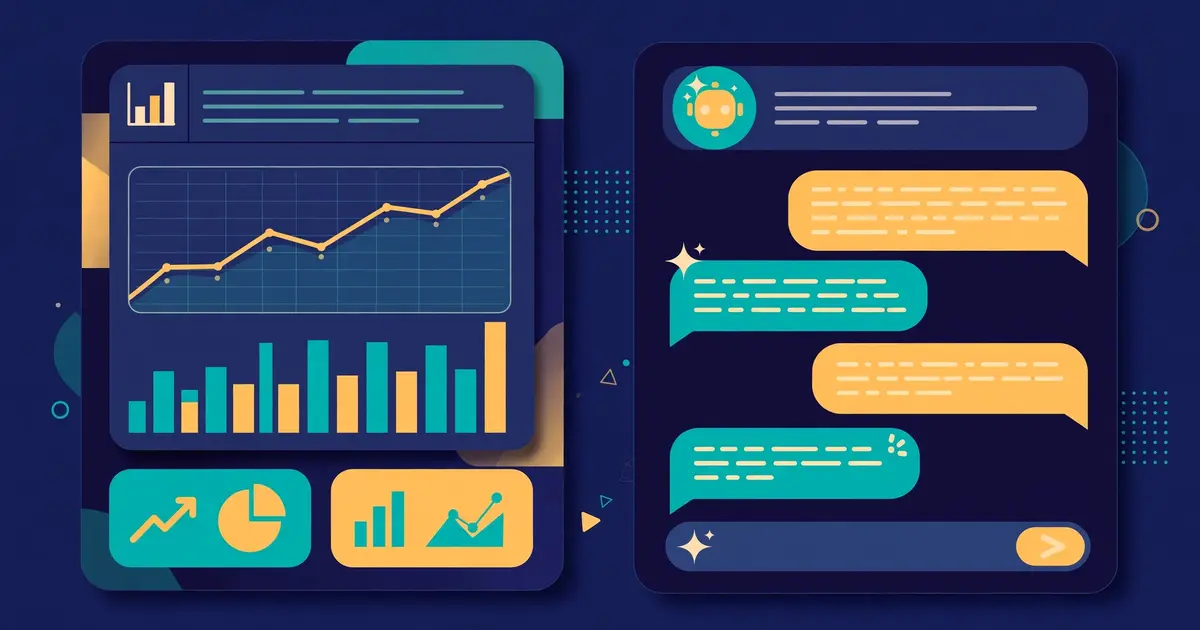
Publisher teams already swim in signals: revenue data, bidder signals, inventory changes, traffic shifts, alerts and dashboards. Opti Digital’s pitch with NEXA, announced November 9, 2026, is that the missing piece isn’t another dashboard — it’s a layer that connects those signals and answers questions about them in plain language. The first piece is live: NEXA AI Assistant, a conversational tool for investigating monetisation performance. A second piece, the NEXA Alerting Agent, is announced but undated.
| How you ask | How it finds the cause | How you decide what to do | Status | |
|---|---|---|---|---|
| NEXA AI Assistant | Type a question in plain language | Explores revenue movements and trends, investigates root causes | Recommended next steps, prioritised by revenue impact | Launched November 9, 2026 |
| NEXA Alerting Agent | You define what matters; AI writes the monitoring rules | Detects anomalies and surfaces important changes | Hands the change to NEXA to investigate | Announced; no date given |
| Dashboards and alerts | Click through revenue data, bidder signals, inventory and traffic | Teams connect the signals themselves | Human judgement, from the dashboards | How publisher teams work today |
The comparison is drawn from Opti Digital’s announcement: the Assistant and the Alerting Agent are the company’s own descriptions; the dashboard row is the daily workflow the announcement describes.
NEXA AI Assistant: ask, and it traces the dip
Through NEXA AI Assistant, users ask questions about monetisation performance in natural language, explore revenue movements and trends, investigate potential root causes and receive recommended next steps based on the signals available across the platform. A publisher can ask why revenue moved and get an answer grounded in the platform’s own data, rather than opening five dashboards to assemble one.
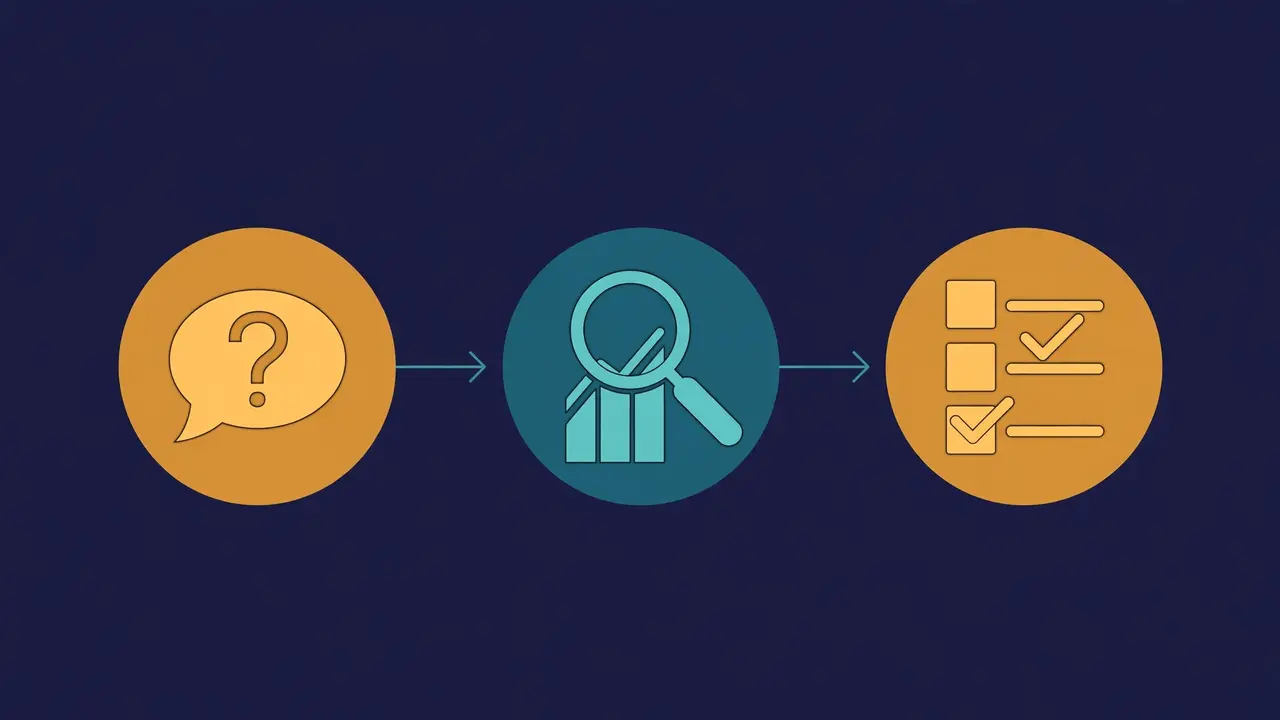
The assistant works across three stages. First, investigate performance: ask questions in natural language and explore trends and potential drivers. Then, understand what changed and why, through trend detection and root-cause investigation. Finally, know what to do next: recommendations, suggested actions and the ability to prioritise by revenue impact.
The pattern is spreading beyond publishing. Databuddy is building an AI analyst that investigates why product metrics moved, and the pitch is the same: stop making humans do the detective work that a system with access to all the signals can do in one pass.
NEXA Alerting Agent: the watcher that isn’t here yet
The next evolution will introduce proactive alerting through the NEXA Alerting Agent. Publishers will be able to define what matters, create monitoring rules with AI, detect anomalies and surface important performance changes that can then be investigated with NEXA. That turns the product from something you ask into something that watches.
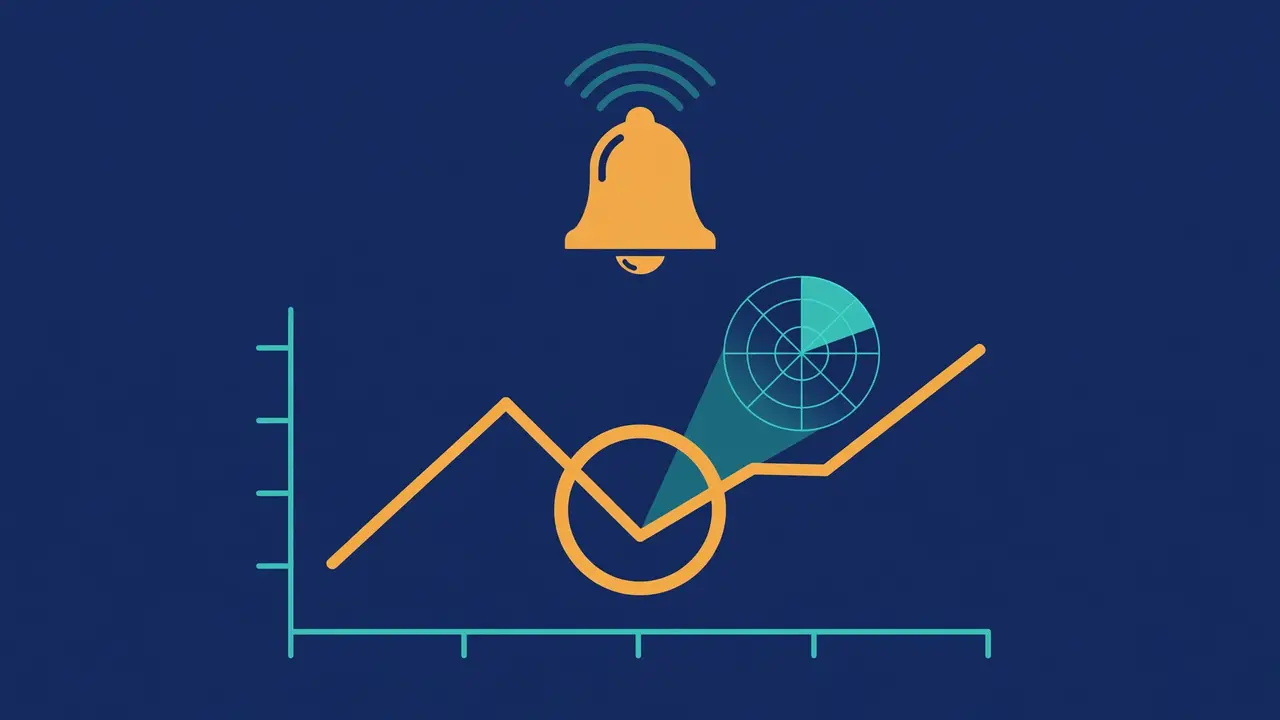
There is no date for it. Until it ships, NEXA is reactive: it answers fast when asked, but nothing taps a publisher on the shoulder when revenue slips overnight. The assistant is the product today; the agent is the promise.
The status quo: dashboards, alerts and detective work
The daily reality NEXA is aimed at is familiar to anyone who has run ad inventory: revenue data, bidder signals, inventory changes, traffic shifts, alerts and dashboards, all as separate streams. “Publisher teams already have access to a significant amount of information. The real opportunity is helping them connect it and understand what matters in the moment,” said Sébastien Moutte, co-founder and CSO of Opti Digital.
Opti Digital is careful to frame NEXA as strengthening publisher expertise rather than replacing it. The announcement stresses that human judgement stays at the centre of decision-making — the assistant investigates and recommends, the team decides. That framing matters: a tool that tells a publisher what to do next is only useful if the publisher can see why, and the three-stage flow is built around showing the work.
The verdict
NEXA is a narrowly scoped, sensible use of conversational AI. The value proposition is concrete — connect the signals publishers already have, answer in plain language, prioritise by revenue impact — and the first capability is live rather than a roadmap slide. Opti Digital is not a startup making its first claim: its platform is used by more than 10,000 websites and apps, including Euronews, Ziff Davis, Forbes, Gizmodo, Webedia, Valnet and 1XL, and NEXA follows its earlier Insights Hub launch into insights analytics, decision support and ad revenue intelligence.
What’s missing is evidence. Everything so far comes from the vendor’s own announcement: no demo, no customer results, no pricing and no date for the Alerting Agent, the part that would actually watch revenue while teams sleep. AI assistants are now showing up in every back office — HiringDesk’s Ava screens applicants, texts candidates and books interviews — and Selljam’s AI workspace has reached media and marketing workflows. NEXA’s test will be the same as theirs: whether the answers hold up when a real revenue dip is on the line. For publishers already on Opti Digital’s platform, it costs nothing to try; everyone else should wait for a customer to vouch for it.