PaleBlueDot AI raises $200M at $3.2B to scale 'Super Intelligence' compute — with $5B in contracts already signed
The Palo Alto neocloud closed a $200 million Series C led by ComputeCore at a $3.2 billion valuation, eight months after a $150 million Series B — and says it has already signed over $5 billion in customer contracts across its GPU clusters, marketplace, and serverless inference.

PaleBlueDot AI, a two-year-old startup selling GPU compute under the banner of “Super Intelligence,” announced Thursday it has closed a $200 million Series C at a $3.2 billion valuation — its second funding round of 2026, following a $150 million Series B in January.
The round was led by ComputeCore, with existing shareholder B Capital participating alongside other global investors. The company says the proceeds will fund additional compute capacity — more clusters, in more locations, on more hardware — giving customers greater choice in where and how they run their workloads.
Three businesses, one platform
Founded in 2024 and headquartered in Palo Alto, PaleBlueDot pitches a “Super Intelligence Infrastructure Platform” built from three parts: its own GPU clusters, customized for global customers with large or specialized workloads; a marketplace offering on-demand access to compute across a network of supply partners; and serverless inference for developers and enterprises. The stated mission: to make intelligence “universally accessible,” with a vision of “empowering AI everywhere for everyone.”
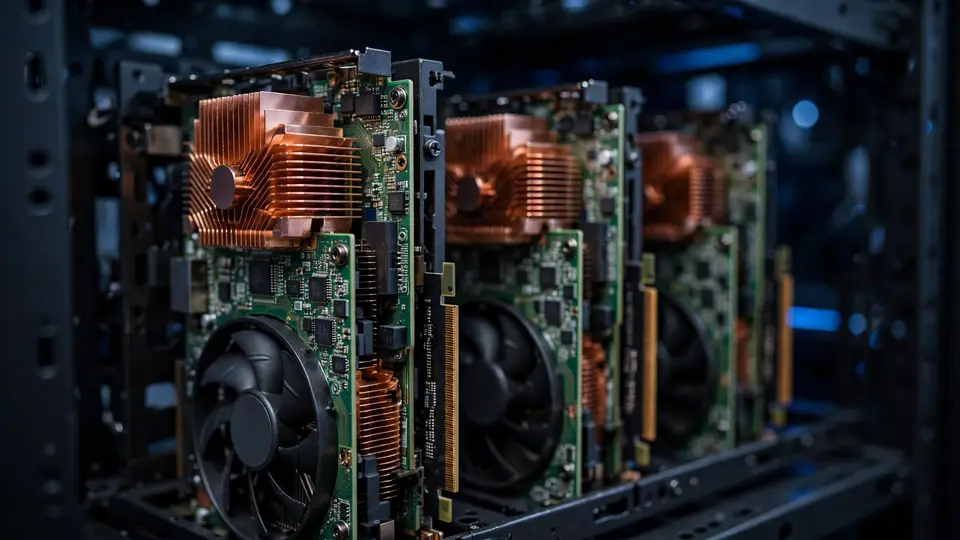
The $5 billion backlog — and an NVIDIA badge
The number that matters more than the raise is the backlog: as of the end of September 2026, PaleBlueDot says it has signed over $5 billion in customer contracts. Customers from the U.S. and Japan together account for more than half of monthly revenue. And its B300 cluster in Japan recently earned NVIDIA Exemplar Cloud status, validating its performance against NVIDIA’s reference benchmarks — a credential that carries weight with the frontier labs it wants to sell to.
“We will continue to broaden our customer base, with a focus on frontier labs, Neolabs and enterprises in the U.S., and we will invest in our full-stack and go-to-market teams,” CEO Stephen Watts said in the announcement.
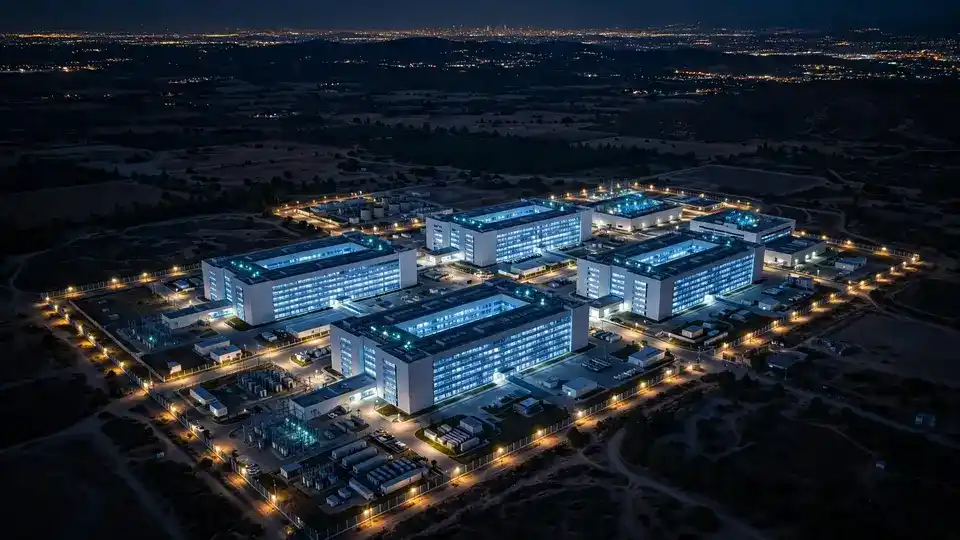
The neocloud race
The raise lands squarely in the neocloud wave: with frontier labs perpetually short of GPUs, companies that own and rent out compute — from CoreWeave to a growing crowd of regional players — have become one of the hottest bets in infrastructure. PaleBlueDot’s three-legged model covers both ends of the market: long-term dedicated capacity and burst, on-demand inference.
The company is named after the 1990 Voyager image of Earth that Carl Sagan called “a pale blue dot” — a lofty namesake for a company whose near-term ambition is considerably more terrestrial: keeping the world’s AI workloads fed with silicon.
Sources: PaleBlueDot AI company announcement via PRNewswire (Oct 1, 2026) and Unite.AI (Oct 1, 2026). Images: AI-generated illustrations.