PIPE-FLO Connect turns P&IDs into working fluid-system models with AI-assisted import
Revalize launched PIPE-FLO Connect about 45 minutes ago, a browser-based platform that uses AI to turn an existing piping diagram into a working fluid-system model — and leaves the actual calculation to the PIPE-FLO engine engineers have trusted for 43 years.
What we checked: Revalize’s launch announcement on PR Newswire (published 8:13 AM EST today) and PIPE-FLO’s own Connect product page, which lists the same AI import, 150-OEM pump catalog and 12.6 million annual simulations.
- Who: PIPE-FLO, a Revalize company; Michael Umbach is Revalize’s Chief Product & Technology Officer.
- What: PIPE-FLO Connect, a browser-based fluid system engineering platform with AI-assisted model creation, real-time collaboration, integrated equipment data and 3D visualization.
- When: Launched Tuesday, November 10, 2026; the announcement was published at 8:13 AM EST and the platform is available now.
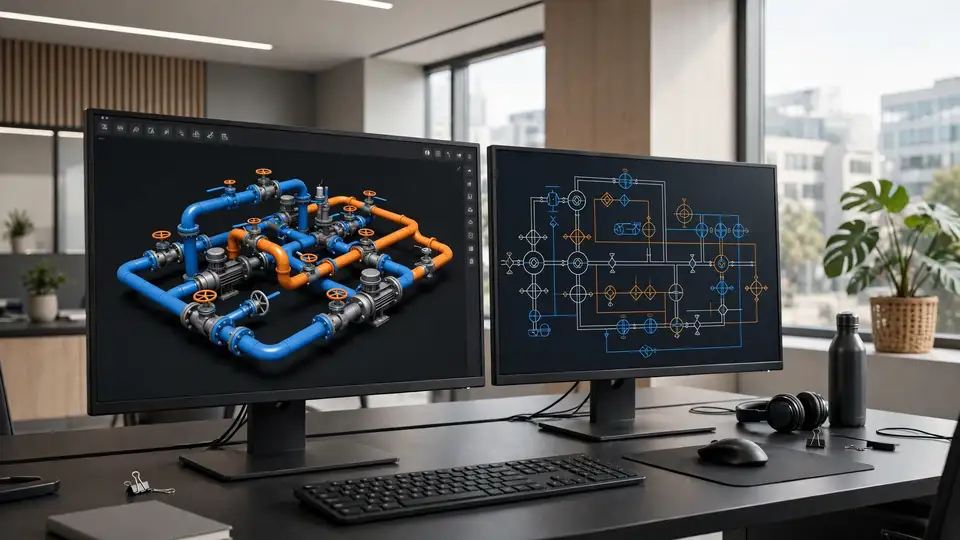
- How it works: Upload a P&ID or PDF schematic and AI-assisted image-to-model import builds a working starting model; edit it in plain language and ask diagnostic questions.
- Scale: PUMP-FLO catalog covers 150+ OEM manufacturers; PIPE-FLO holds 6,000+ fluid properties and 100+ pipe specs, and more than 12.6 million simulations run on the platform each year.
- Guardrail: The AI prepares and adjusts model inputs only — it never performs the calculation — and customer data stays isolated, never used to train shared or foundation models.
The pitch is aimed at the most boring part of a fluid engineer’s week: not the calculation, but everything before it. A project usually starts by rebuilding existing information into a usable model, entering pipe-by-pipe data before any analysis begins. Connect is built to shrink that setup to minutes — and then get out of the way.
How it works, step by step#
Step 1: upload the diagram you already have. An engineer uploads an existing P&ID — a piping and instrumentation diagram — or a PDF schematic. Connect’s AI-assisted image-to-model import reads the drawing and builds a working starting model from it. PIPE-FLO’s product page puts the time saving bluntly: minutes, not hours.
Step 2: talk to the model. Instead of re-entering every pipe, engineers change the model in plain language and ask it diagnostic questions. The AI prepares and adjusts model inputs; it does not perform the calculation.
Step 3: pick real equipment, not generic curves. The integrated PUMP-FLO catalog puts pump and equipment data from more than 150 OEM manufacturers inside the model, so engineers evaluate options against real system conditions instead of generic pump curves.
Step 4: run the analysis on the trusted engine. The platform supports steady-state and transient heat-transfer analysis, plus what-if scenarios for expansions and retrofits. Every result still comes from the same PIPE-FLO calculation engine engineers have relied on for decades, and engineers remain responsible for reviewing the model and validating the results.
Take a concrete case: a data-center cooling loop. The team uploads the loop’s P&ID, gets a working model back, swaps in a different pump from the 150-manufacturer catalog, and tests whether the loop still holds if the facility adds a row of racks. PIPE-FLO names data-center cooling as one of its core use cases — the same infrastructure now straining under AI workloads — alongside power generation, oil and gas, chemical processing, and water and wastewater.
The announcement#
Connect is browser-based, with no local installation and no per-seat limits. Multiple users can work on the same model in real time — designers, reviewers and operators, with role-based access for each — instead of passing files around. New 3D viewing is meant to help teams explain a system design to operations, leadership and customers who do not work from schematics. Existing PIPE-FLO customers can bring their models directly into Connect.
“The slowest part of a fluid system project is often everything around the calculation: building the model, then getting the right people to review it,” said Michael Umbach, Chief Product & Technology Officer at Revalize. “Connect expedites this process. It uses AI to transform an existing schematic into a working model, and its real-time collaboration lets designers, reviewers, and operators work in it simultaneously. The calculation remains the same PIPE-FLO engine engineers have relied on for decades.”
| Connect at a glance | |
|---|---|
| OEM manufacturers in the PUMP-FLO catalog | 150+ |
| Fluid properties in the database | 6,000+ |
| Industry-standard pipe specs | 100+ |
| Simulations run on PIPE-FLO each year | 12.6 million |
| Years PIPE-FLO has been in use | 43 |
| Revalize customers worldwide | 16,000+ |
Why it matters#
The honest split at the center of Connect — AI builds the model, the old engine does the math — is also its sharpest selling point in safety-critical engineering. Nobody wants a language model improvising a pressure calculation on a chemical plant’s cooling loop. By keeping the AI on the setup side, Revalize gets to sell speed without asking engineers to trust a black box with the numbers. Customer data stays isolated and is never used to train shared or foundation models, and the platform runs on SOC 2-aligned security processes, with formal certification in progress.
The pricing follows the same logic: pipe count, not seat count, prices Connect, so every engineer on a team gets access rather than a few licensed seats. That matters because the collaboration pitch only works if reviewers and operators can actually open the model — the same bottleneck MIT’s PLOW project attacks in a different field, using generative AI to design new herbicides instead of rebuilding old chemistry by hand.
What to watch#
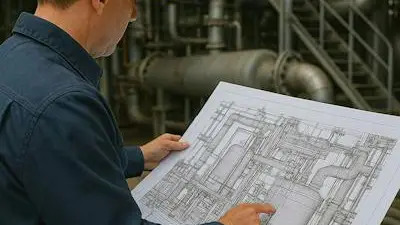
Three things will decide whether Connect earns its place. First, how the AI import holds up on real-world diagrams — hand-marked-up P&IDs, faded scans, decades-old PDFs — rather than clean exports. Second, whether rival simulation vendors answer with their own AI import, turning a differentiator into table stakes. Third, whether the “minutes, not hours” claim survives contact with the messy documentation of plants that have been running for 40 years. The calculation engine is proven; the import step is the new part, and it is the part worth testing first.
Sources: Revalize, “PIPE-FLO Launches Connect: AI-Assisted Modeling and Real-Time Collaboration for Fluid System Engineering” (November 10, 2026), here; PIPE-FLO, “PIPE-FLO Connect: Cloud Fluid System Modeling”, here.