Samsung commits $1B to KKR's Helix AI infrastructure: the AI bottleneck is megawatts, not megachips
Samsung Electronics and five affiliates will commit a combined $1 billion to Helix Digital Infrastructure, the KKR- and Nvidia-backed AI infrastructure firm launched in June. The bet is on the scarcest resource in the AI race: electricity.
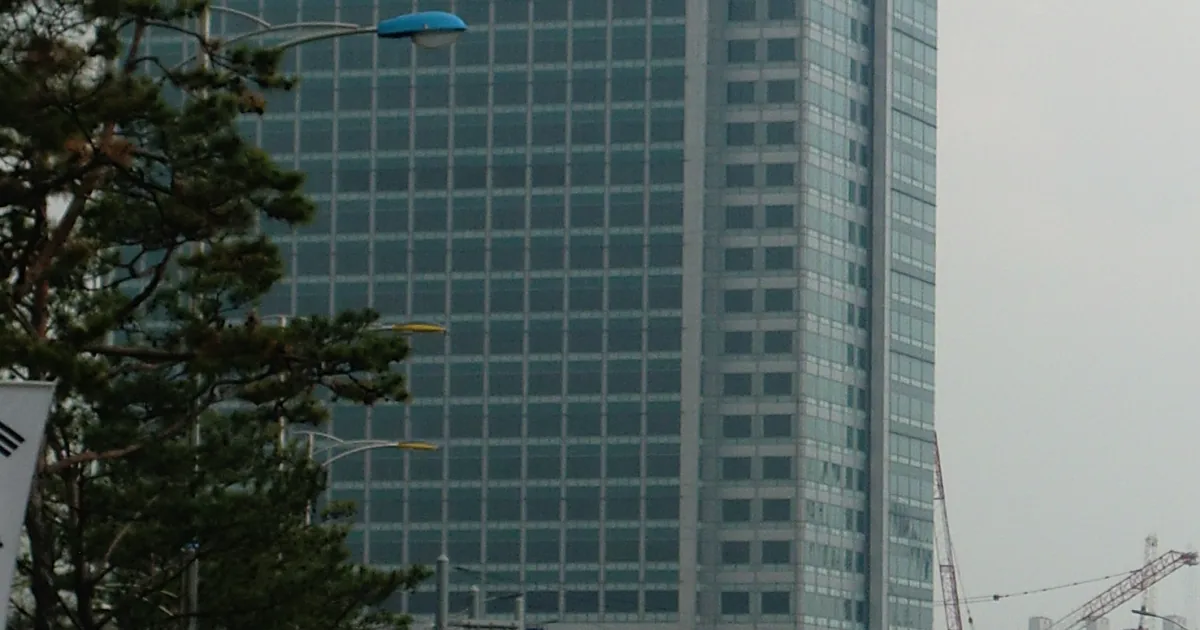
Samsung Electronics and five of its affiliates announced Tuesday they will commit a combined $1 billion to Helix Digital Infrastructure, the U.S. AI infrastructure company launched in June by private-equity giant KKR. The move inserts the world's largest memory-chip maker directly into the AI race's most strained front: not compute, but electricity.
In statements reported by Reuters and confirmed by the Korea JoongAng Daily, the commitment breaks down as $500 million from Samsung Electronics itself, with the remaining $500 million coming from five affiliates: Samsung C&T, Samsung SDS, Samsung SDI, Samsung Life Insurance, and Samsung Fire & Marine Insurance.
The deal: $1B across six companies#
The money flows into Helix through a long-term capital fund, adding to more than $10 billion already committed to the platform since its launch. With the investment, the Samsung affiliates join KKR, the Kuwait Investment Authority, Nvidia, and U.S. power producer Vistra as founding investors.
Helix invests in, delivers, and manages AI-enabling infrastructure — hyperscale data centers, power generation and transmission, and fiber-optic connectivity — as an integrated package. The company is led by Adam Selipsky, the former CEO of Amazon Web Services.
The real bottleneck is megawatts#
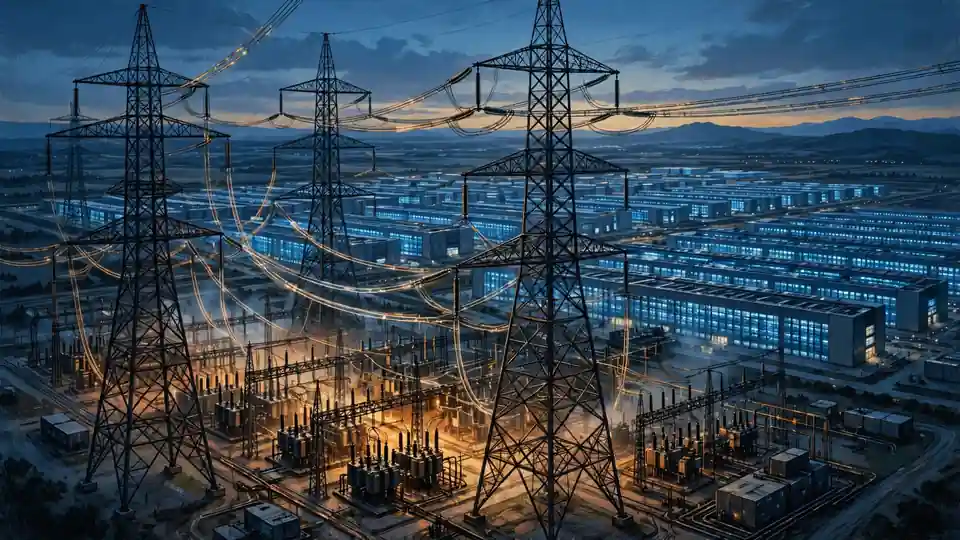
The telling detail is where Samsung says the pressure sits. Per TechNode's reporting on the announcements, Samsung identified power availability as currently the greatest bottleneck in AI infrastructure — and Helix plans to secure energy capacity through direct investments and partnerships with major energy developers, including Vistra, its preferred power partner. Nvidia is Helix's strategic technology partner.
Helix expects to combine Nvidia technology with Samsung's — including its energy-storage capabilities — to accelerate the development and delivery of AI infrastructure. The ability to secure compute and power at the same time, Samsung said, has become a defining advantage in the industry.
Samsung's strategic turn#
TechNode notes that Samsung framed the investment as a strategic move to expand from a hardware and component supplier into a larger role in AI infrastructure, exploring uses of its capabilities across advanced technology, construction, energy storage, and cooling.
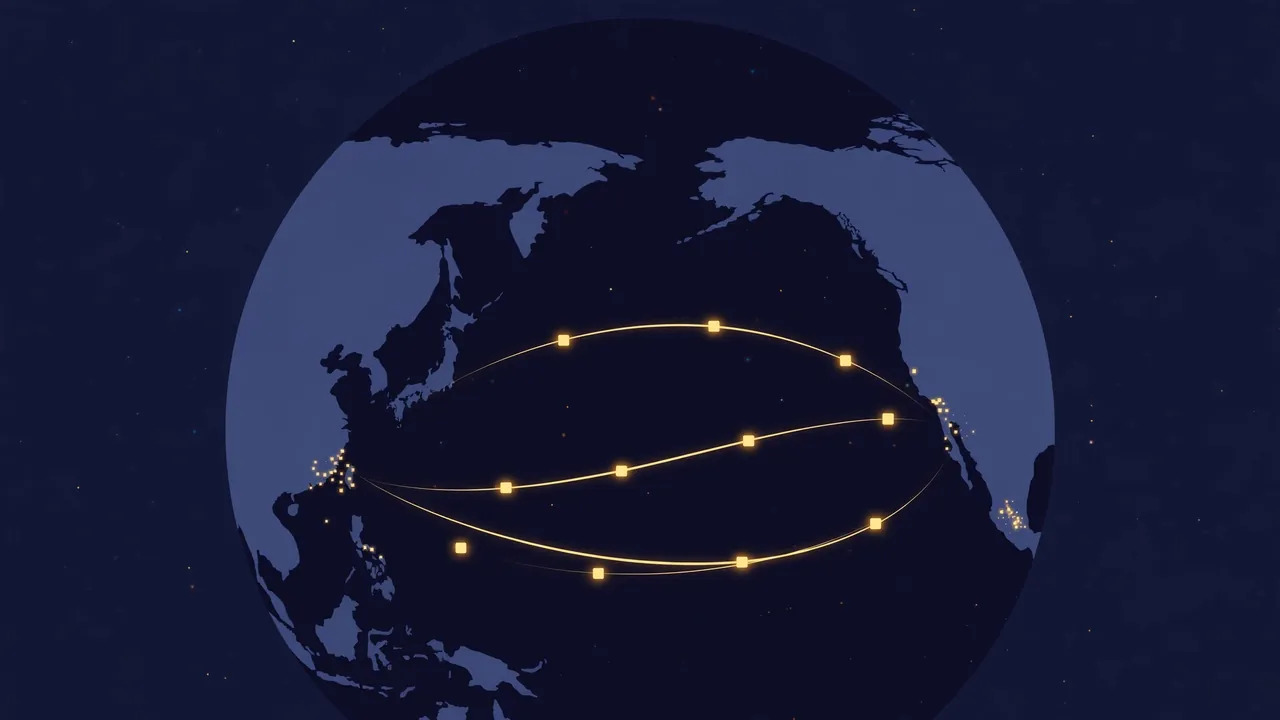
It fits a wider pattern: KKR has invested more than $75 billion across digital infrastructure and power globally. For Samsung, the bet is that the next phase of the AI buildout is won by whoever controls the full stack — the data halls, the electrons feeding them, and the cables connecting them.
The bottom line#
A year ago, the AI arms race was measured in GPUs. Samsung's $1 billion check into Helix reframes it: the scarce input now is grid-connected power, delivered on schedule, next to the fiber. Whoever can hand a hyperscaler both the servers and the substation holds the better card.
Sources
- Samsung to invest $1 bn in AI infrastructure firm Helix backed by KKR, Nvidia — Korea Economic Daily / KED Global (September 29, 2026)
- Samsung Group invests $1 billion in Helix AI infrastructure company — Korea JoongAng Daily (September 29, 2026, via Yonhap)
- Samsung invests $1B in KKR AI infrastructure company Helix — TechNode Global (September 29, 2026)