Amazon wants to sell $8B of Nvidia chips to investors — then rent them back
Amazon is reportedly in talks to move roughly $8 billion of Nvidia's Grace Blackwell chips into an investor-backed vehicle and lease them back — the latest sign that Wall Street, not just Big Tech balance sheets, is financing the AI buildout.
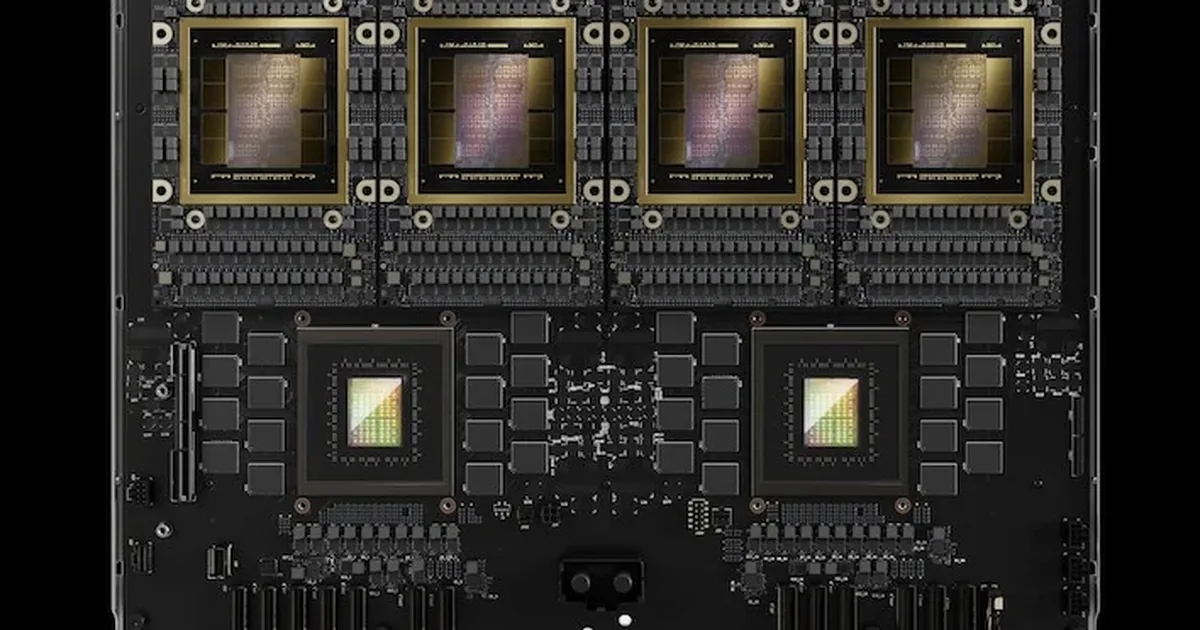
Amazon is in talks to move roughly $8 billion of Nvidia's Grace Blackwell chips into an investment vehicle backed by outside investors — and then lease the same chips back for its own data centers. The Financial Times reported the proposed deal on Friday, citing people familiar with the matter, and Reuters picked it up the same day. It is the latest and most literal example of a shift reshaping the AI boom: the chips themselves are becoming Wall Street financial instruments.
Sale-leaseback, Wall Street style#
Here is the structure, as reported. Thousands of Nvidia's current top-tier Grace Blackwell processors — already installed and running across more than a dozen US data centers in five states, including Nevada and Virginia — would be transferred into a special-purpose vehicle, a standalone legal entity created to hold the assets and raise money against them, kept separate from Amazon's own balance sheet. The vehicle would raise cash from outside investors through debt issuance, while Amazon would lease the chips back for its own use. Amazon could also offer an equity stake of up to 10% in the vehicle.
The word doing the heavy lifting in every headline is "offload." Amazon is not getting rid of the chips. It would keep using them — it just would not own them. As ABC Money's breakdown put it, this is a sale-leaseback: investors in the debt piece would reportedly expect an investment-grade rating riding on Amazon's own AA credit standing rather than on the hardware itself. The chips were either purchased or leased by Amazon; the reporting does not resolve which.
Why now: $220B of capex#
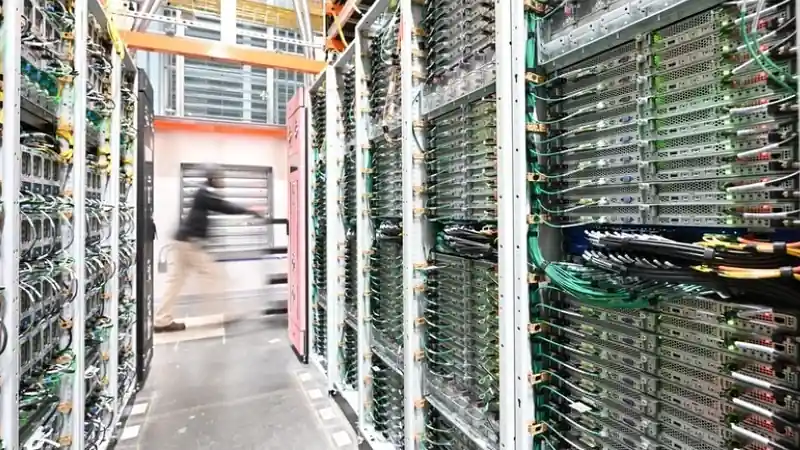
AI hardware has become enormously expensive, and Amazon's buildout is enormous. The Financial Times reported that Amazon expects roughly $220 billion in capital spending this year, much of it tied to AWS, chips, and AI infrastructure — and the company has already tapped corporate bond markets this year. Shifting $8 billion of silicon into an investor-owned vehicle is a new funding channel that avoids piling more assets onto its own books.
And Amazon is not inventing the genre. Just a day earlier, Anthropic disclosed that Broadcom had agreed to lend it up to $42 billion to finance computing infrastructure tied to a five-year chip-leasing commitment — supplier credit on a staggering scale. The Financial Times further reported that borrowing by major technology companies could reach as much as $1 trillion by 2030 as infrastructure spending climbs. The AI race is increasingly financed through debt, leasing arrangements, and special-purpose vehicles — not just corporate cash flow.
GPUs are becoming an asset class#
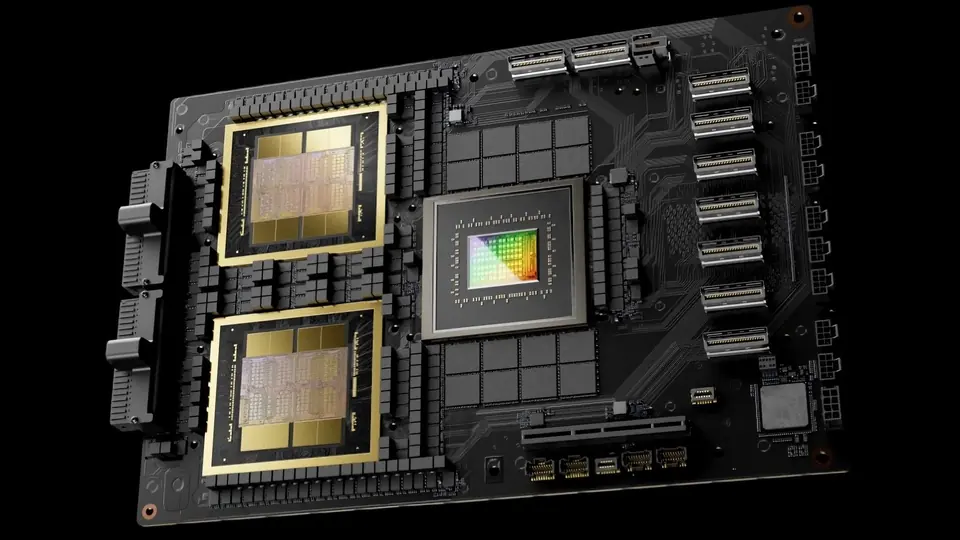
The structure resembles financing long used for aircraft, real estate, and other expensive infrastructure: put the asset in a vehicle, raise debt against the cash flows, lease it back. The difference is what sits at the center of the transaction — Nvidia GPUs, which were once treated simply as technology equipment purchased by cloud companies and are now being packaged as income-producing infrastructure, with value coming from lease payments and compute demand attached to them.
If the transaction completes, investors would effectively be financing Nvidia hardware that Amazon uses to run its AI infrastructure: the chips generate compute capacity, the compute supports AWS customers, and lease payments flow back to the vehicle holding the hardware. The model could become common if the cost of AI infrastructure keeps climbing — the largest AI companies build the data centers and operate the systems, while Wall Street owns a growing share of the machines inside them.
What to watch#
This is a proposed deal, not a done one — Amazon has been holding talks in recent weeks to gauge investor interest, and there is no close date. Amazon and Nvidia did not immediately respond to Reuters for comment. Amazon's stock slipped about 0.37% after the report surfaced. Watch whether other hyperscalers follow with their own chip-backed vehicles — if they do, the $8 billion Amazon experiment becomes the template for how the AI buildout gets financed.
Sources
- Reuters / SRN News: Amazon seeks to offload $8 billion of Nvidia chips to investors, FT reports (Oct 2, 2026)
- TechStartups: Amazon seeks to offload $8 billion in Nvidia AI chips as Big Tech turns to Wall Street for AI compute financing (Oct 2, 2026)
- ABC Money: Amazon's $8bn Nvidia 'chip offload' is really a leaseback (Oct 2, 2026)
- CoinCentral: Amazon (AMZN) stock — company seeks to offload $8 billion in Nvidia chips (Oct 2, 2026)