A solo developer who can't code vibe-coded a game with AI — it made $1.33 million on Steam in a week
Min Kim had never written a line of code. He had no art skills, no game-development experience, and no resume — a 28-year-old living alone in South Korea on savings from his military service. On November 20, he posted a screenshot of his Steam dashboard: his first game, Slotbound, had grossed $1,332,409 in its first week. When a Reddit post about it reached r/accelerate in the early hours of November 25, the numbers were doing the rounds — and the thread's top comments were busy correcting the framing.
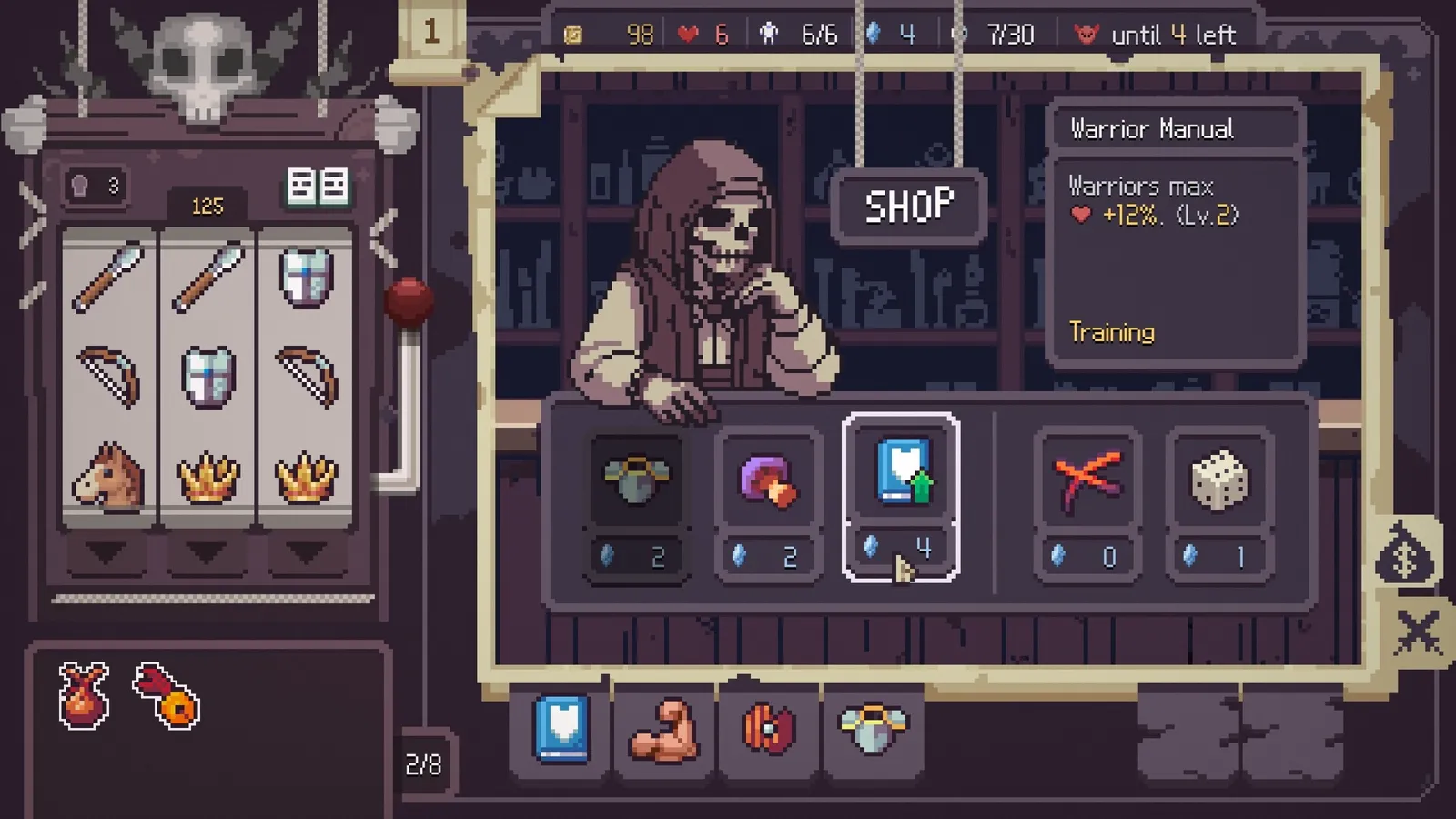
- What happened: Slotbound, a roguelite defense game in which a 3x3 slot machine summons units to fight off waves of enemies, grossed $1,332,409 in its first week on Steam, according to developer Min Kim’s dashboard screenshot shared on November 20.
- The numbers: 211,139 units sold, about $1.18 million net, roughly 18,000 returns, median playtime of 5 hours 59 minutes, 175,186 wishlists, and a 91% Very Positive rating; 50,000 copies sold in the first 48 hours.
- How it was made: virtually all of the code was written by AI — mainly OpenAI’s Codex in VS Code, with Claude and Gemini used for systems thinking — in the LÖVE engine with Lua; Kim’s job was design, testing, and verification, and the AI subscriptions cost about 30,000 won a month per account.
- The correction: the viral framing suggests a one-prompt build; Kim worked on the game for over a year, and Reddit’s top comments pushed back on the “vibe-coded in a day” reading.
- What’s next: mobile and Nintendo Switch versions are under consideration, and Kim plans a second solo title around early 2027.
Min Kim had never written a line of code. He had no art skills, no game-development experience, and no resume — a 28-year-old living alone in South Korea on savings from his military service. On November 20, he posted a screenshot of his Steam dashboard: his first game, Slotbound, had grossed $1,332,409 in its first week. When a Reddit post about it reached r/accelerate in the early hours of November 25, the numbers were doing the rounds — and the thread's top comments were busy correcting the framing.
Slotbound is a roguelite defense game with a simple hook: players spin a 3x3 slot machine, matching symbols summon units — warriors, archers, mages — and the army fights off waves of enemies on its own. The idea came from CloverPit, a slot-machine roguelike Kim admired; the moment three symbols aligned, he thought, if those were three spearmen summoned to fight for me, that would be incredibly fun. He searched for a game that already did it. None did.
The numbers#
The dashboard screenshot Kim shared tells the story in one frame. The first week's figures, as reported by GamesRadar and Inven Global and visible in the screenshot itself:
| First week on Steam | Figure |
|---|---|
| Gross revenue | $1,332,409 |
| Net revenue | About $1,180,394 |
| Units sold | 211,139 |
| Units returned | 17,954 |
| Median playtime | 5 hours 59 minutes |
| Wishlists | 175,186+ |
| Steam rating | 91% Very Positive |
The pace was fast from the start: about 50,000 copies and roughly $356,000 in the first 48 hours, 100,000 copies within three days, 200,000 within six. The demo had already signalled something was working — released eight months into development, it climbed from 29th to 2nd place in Steam's real-time demo rankings and passed 100,000 wishlists before launch. The game is priced at $9.99, and China is its biggest market, accounting for roughly half of all Steam reviews.
A year, not a weekend#
The part the viral headline skips is the calendar. Kim started on October 17, 2025, after his older brother — who studies computer science — introduced him to vibe coding. His first prompt was: “Make me a game with a square that moves with WASD.” A working game popped out exactly as requested, and he decided this was how he would finally make the game he had always wanted to make.
From there, the work was anything but one prompt. Kim used the LÖVE engine and Lua, learned no coding from lectures or books, and instead gave the AI one task at a time — describing what he wanted in plain language, testing the output himself, and adjusting. He later alternated between two Codex accounts at about 30,000 won a month each, swapping whenever one hit its limit. “Virtually all of the code was written by AI,” he told Inven Global. His role was to decide what to build, play the game himself, and catch what was wrong.
That last part took most of the year. Early AI models were unreliable enough that fixing one thing often broke another, or the model would claim to be done when it was not. Kim built automated tests that checked the entire game after every fix, a tool that captured game screens to inspect them pixel by pixel, and documented rules to stop the AI repeating the same mistakes. “Ultimately, what I had to master wasn't coding syntax, but ‘how to describe problems accurately’ and ‘how to verify if they were truly fixed,’” he said. He sold household furniture and clothes to scrape by, was rejected by the 2026 Indie Game Dev Camp, and expected modest sales — around 100 million won on day one, 500 million in the week. The game blew past both.
Why Reddit pushed back#
The r/accelerate post that carried the story framed it as a one-prompt miracle: a solo developer “vibe-coded his first game and made $1.33 million on Steam in just one week.” The top comments would not let that stand. “This sounds like it was made with 1 prompt in a day. He worked for over a year on it!” wrote one. “Misleading title, he didn't vibecode it, he worked on it diligently for over a year,” wrote another. A third put it most precisely: “This isn't proof that vibe coding works… This is proof that a smart person… put a year of effort… AI simply did dev heavy lifting.”
No commenter disputed the sales figures — the Steam dashboard screenshot is hard to argue with, and GamesRadar and Inven Global had already reported the same numbers. What the thread corrected was the moral of the story. The honest version is less magical and more useful: a beginner with taste, persistence, and a year to spend used AI as his coding workforce — and shipped something players actually wanted.

What it actually proves#
Slotbound is a genuine milestone for AI-assisted creation, but the milestone is narrower — and more interesting — than the headline suggests. What AI removed was the need to write code or draw art. Kim had neither skill, and without AI tools he says he could never have made the game at all. What AI did not remove was everything else: the design judgment to build around a single core idea (“spinning the slots to create an army”), the testing discipline to keep a growing codebase working, and the balance calls — players complained legendary units spawn too rarely, and Kim refused to raise the rates, arguing it would kill the thrill.
The game is also, by player measures, actually good. A 91% positive rating across more than 200,000 buyers and a median playtime near six hours is not a curiosity purchase. Kim was transparent about the AI use from the start: the Steam page discloses that generative AI produced some visual assets and promotional materials, and he told Inven Global he disclosed it because he dislikes lying. “Even when using AI, love and passion can still go into a product and resonate with players,” he said.
What to watch#
Kim has shipped more than ten updates in the ten days since launch — fixing crashes on specific Intel CPUs, Windows Security blocking the executable, lag in Endless Mode, and leaderboard tampering — and says mobile and Nintendo Switch versions are under consideration, with a second solo title planned for around early 2027. He intends to stay solo, having turned down publishers and investment as too steep a price for what they offered.
Two things will decide whether Slotbound is a one-off or a template. First, whether other solo developers can repeat the formula — the tools are now cheap and widely available, but the year of disciplined iteration is not downloadable. Knock-off minigames copying Slotbound have already appeared twice in China. Second, how Steam's storefront absorbs a wave of AI-made games, and whether players keep rewarding the ones built with the same care Kim put in. The $1.33 million is real. The lesson is not that AI writes hit games — it is that a person who could never have written one now can, if they are willing to do everything else.
Sources: Steam, “Slotbound”; Inven Global, “‘Slotbound’ Sells 200,000 Copies, Created Solo by First-Time Developer” (November 24, 2026); GamesRadar, “A solo developer’s first game made $1.3 million on Steam in a week despite gen AI use” (November 24, 2026); TryAIgame, “Slotbound: The AI-Coded Steam Hit That Sold 100,000 Copies in 3 Days”; r/accelerate, “A solo developer just vibe-coded his first game and made $1.33 million on Steam in just one week” (November 25, 2026)