Waymo’s next robotaxi is a Toyota: factory-built bZ4X fleet to test in Japan in 2027, UK to follow
Toyota and Waymo will begin testing a fleet of autonomous Toyota bZ4X SUVs in Japan in 2027, built and fitted with Waymo’s driving hardware at Toyota’s Takaoka plant, with deployment in the UK and other Waymo markets planned for later years.
- Who: Toyota Motor Corporation and Waymo, Alphabet’s self-driving unit.
- What: a fleet of autonomous Toyota bZ4X electric SUVs running Waymo’s Level 4 self-driving technology, built and fitted with Waymo hardware at one plant.
- When: announced October 30, 2026; initial testing and validation in Japan in 2027, with UK and other Waymo-serviced markets planned for the following years.
- Where built: Toyota’s Takaoka plant in Toyota City, Aichi Prefecture, Japan, where the base vehicle is assembled and Waymo’s autonomous-vehicle hardware is integrated under one roof.
- Background: the deal builds on a preliminary agreement the companies announced in April 2025 to explore an autonomous-vehicle platform.
- Not disclosed: how many bZ4Xs will be deployed initially or where in Japan they will operate; Toyota said initial operations would involve a small number of vehicles.
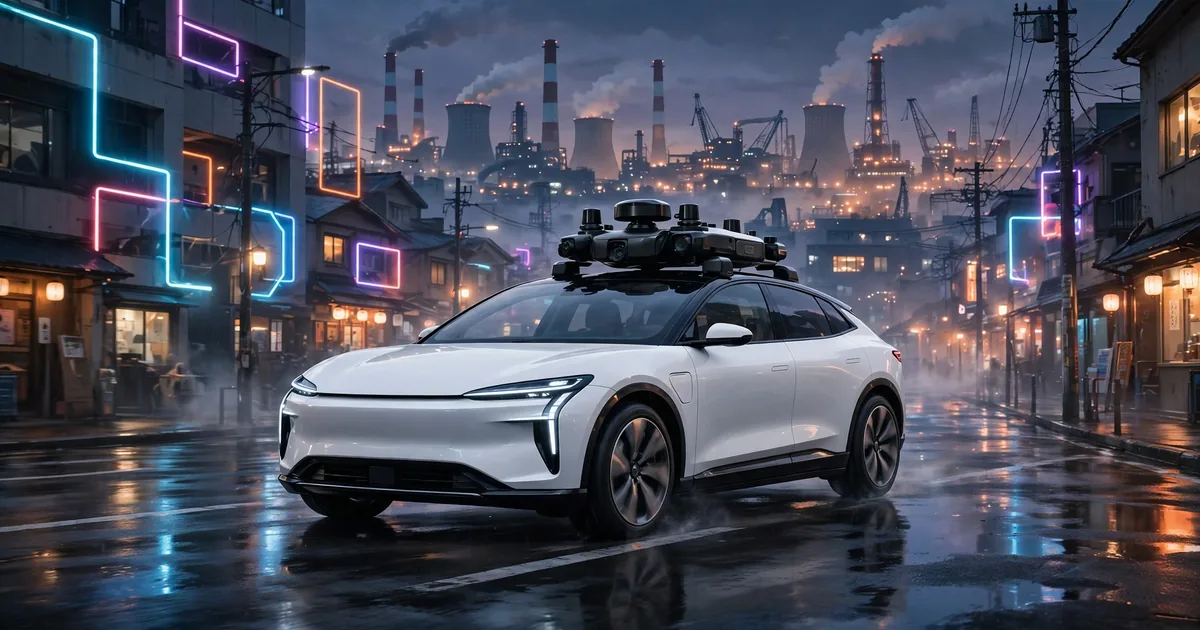
Waymo’s next robotaxi will be a Toyota. Toyota and Waymo announced on October 30 that they will begin testing a fleet of autonomous Toyota bZ4X electric SUVs in Japan in 2027, with deployment in the United Kingdom and other markets Waymo serves planned for the following years.
The step that matters is where the cars come from. Toyota will build the 2027 bZ4X vehicles at its Takaoka plant in Toyota City, Aichi Prefecture, and integrate Waymo’s autonomous-driving hardware there too — the whole process, from assembling the base vehicle to fitting the self-driving equipment, under one roof. That single-roof process is the point of the announcement: the base vehicle and the self-driving hardware come together at Takaoka.
Built on the line, not bolted on afterwards#
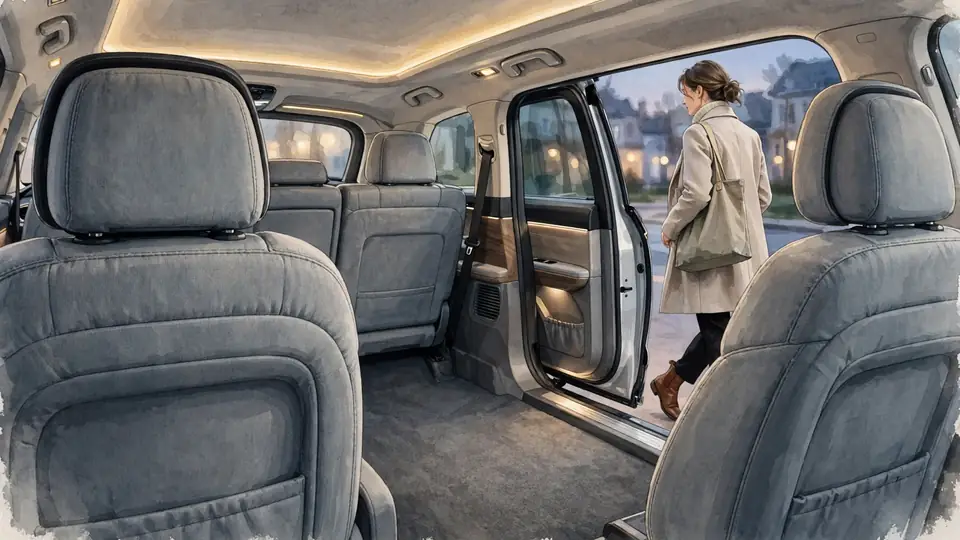
Pairing Toyota’s manufacturing with Waymo’s fully autonomous technology is meant to accelerate the scaling of safety-validated Level 4 vehicles, the companies said — Level 4 meaning the vehicle drives itself within defined conditions, with no human driver needed in those conditions. The bZ4X was outfitted for the job: generous rear legroom and features such as automatic doors, a power liftgate, and ambient lighting, aimed at seamless entry and exit for riders.
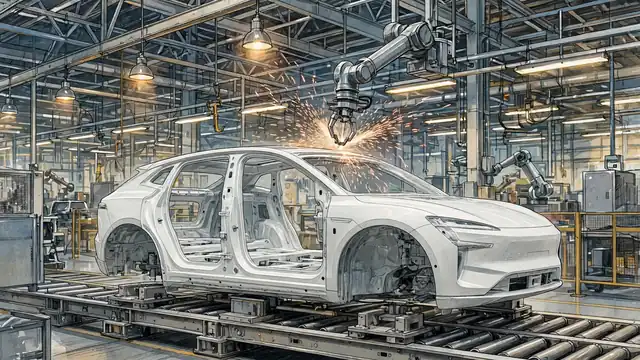
For Waymo, the deal adds a high-volume, domestically manufactured vehicle to a fleet that has so far relied on models from other makers, including the Jaguar I-PACE it is already testing in Japan. For Toyota, it is a route to scale: the company said safety technology makes the biggest difference when it reaches as many people as possible, and that the collaboration will help bring the technology to customers in Japan and beyond through Waymo’s ride-hailing service.
Right-hand drive first#
Japan and the UK come first because both drive on the left. “We’ll start with the right-hand drive markets in Japan and the UK,” Waymo co-CEO Dmitri Dolgov said, adding that the companies had no other countries, timelines, or specifics to share beyond that. Toyota chief technology officer Hiroki Nakajima said the automaker also makes left-hand-drive vehicles, including the bZ4X, and wanted to gain experience in Japan before pursuing broader opportunities.
What the announcement does not say is nearly as important as what it does. The companies did not disclose how many bZ4Xs they will deploy initially or where in Japan they will operate; Nakajima said initial operations would involve a small number of vehicles. Nor is there a date for a public ride-hailing service: 2027 is for testing and validation, and the UK and other markets come in the following years. Waymo is also still testing Jaguar I-PACE vehicles in Japan and still plans a pilot using them in 2027, Dolgov said, so the Toyota fleet is an addition, not a replacement.
What it is — and what it isn’t yet#
The announcement builds on a preliminary agreement the two companies signed in April 2025 to explore developing and deploying an autonomous-vehicle platform — eighteen months of exploration that has now turned into a concrete vehicle, plant, and testing schedule. Beyond robotaxis, the companies said they will continue to explore autonomous-driving technology for personally owned Toyota vehicles, and, alongside Woven by Toyota, initiatives that use insights from Waymo’s real-world operations to improve safety for other road users. Both are explorations, with no product, date, or commitment attached.
Dolgov also restated Waymo’s safety case for the partnership: in areas where Waymo operates, the company says it has demonstrated it is up to 20 times safer than human drivers when it comes to serious crash injuries, and it chose Toyota for the safety, reliability, and quality of its vehicles. That is Waymo’s own figure, from its own operating areas — the Japan program will test that claim on a new vehicle, on new roads.
Sources: Waymo’s October 30 announcement, Toyota and Waymo Advance Autonomous Driving Collaboration, with reporting from TechCrunch and Reuters. Images are AI-generated editorial illustrations.
Frequently asked questions
When will the Toyota bZ4X robotaxis start testing in Japan?
In 2027. Toyota and Waymo said initial operations will test and validate the autonomous bZ4X fleet in Japan that year.
Where will the autonomous bZ4Xs be built?
At Toyota’s Takaoka plant in Toyota City, Aichi Prefecture, Japan. Toyota will assemble the base vehicle there and integrate Waymo’s autonomous-vehicle hardware at the same plant.
Will passengers be able to ride in them in 2027?
The announcement does not say so. It commits to testing and validation in Japan in 2027, with deployment in the UK and other Waymo-serviced markets in the following years, and gives no public-service opening date.