XPeng names its robotaxi YOYO: L4, vision-only, VLA 2.0 — public registration opens in China
XPeng officially named its robotaxi business ‘XPENG YOYO’ and opened public registration in China — the first step from 2,000 internal test rides toward driverless service in 2027, powered by four in-house Turing AI chips and the VLA 2.0 large model.
XPeng's robotaxi finally has a name. On Thursday, the Chinese EV maker officially announced its autonomous ride-hailing brand as "XPENG YOYO" and opened autonomous-driving registration to the public in China through invitation codes, with a dedicated page now live on its official website, the company said via PR Newswire. The naming moves the program out of technical validation and into what XPeng calls a new stage of marketization and industrialization — and the company claims it is China's first fully in-house developed robotaxi to reach pre-loaded mass production.
A vision-only stack with four Turing chips
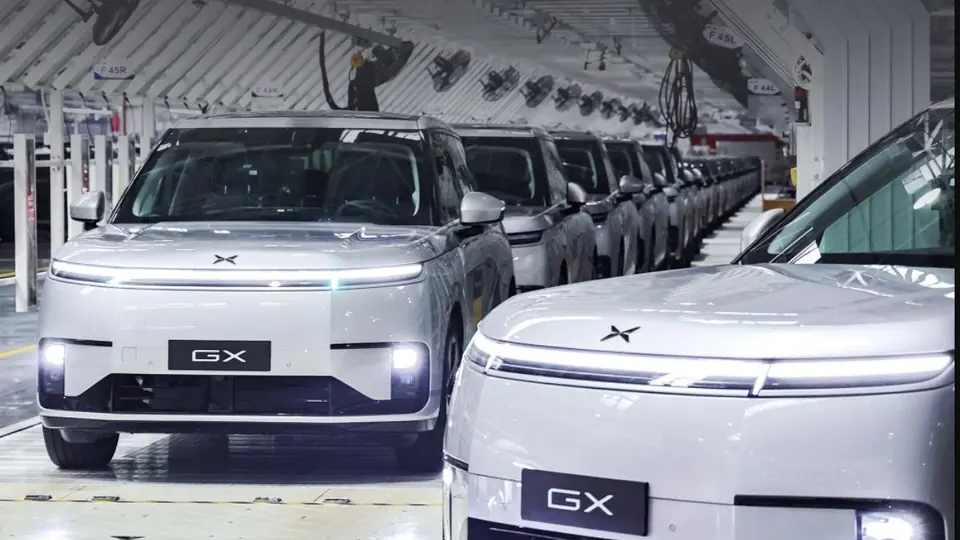
The Yoyo is built on the XPeng GX, the company's flagship three-row SUV, and engineered to Level 4 autonomous-driving standards. Like Tesla, XPeng has gone vision-only: cameras, no lidar, no high-definition maps. It carries four in-house Turing AI chips totaling 3,000 TOPS of compute — one more chip than the regular GX — and driving decisions are handled by XPeng's second-generation Vision-Language-Action (VLA 2.0) model, with a reported six-layer redundancy architecture, as detailed by PaulTan. The robotaxi is planned in five-, six- and seven-seat configurations.
From 2,000 test rides to driverless service in 2027
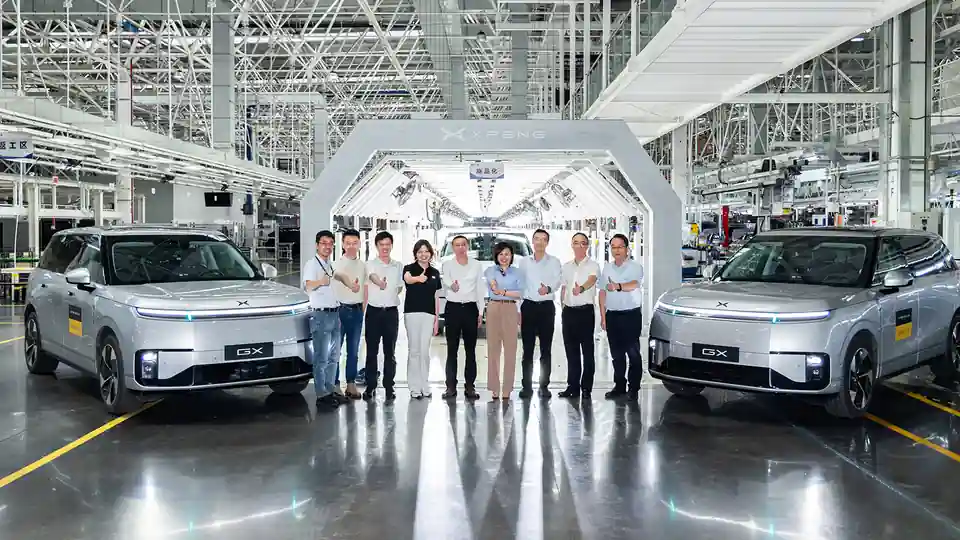
The branding arrives after a fast year of validation. Chairman and CEO He Xiaopeng said on an August 24 earnings call that factory-built, mass-produced robotaxis had already completed more than 2,000 internal test rides in Guangzhou, following a first internal test ride in July, CnEVPost reported. XPeng has built a cloud-based remote takeover platform and says it aims to operate passenger services without safety drivers in 2027. The company plans to partner with leading Chinese and international mobility platforms next year to expand across major cities in China and overseas, generating revenue through vehicle sales, technology services, and a share of operating revenue.
The booking mini-programme, called Xpeng Yoyo Autonomous Driving, opens internal-testing places to users in stages — and shows a softer side of the product: passengers can pre-set cabin temperature, fragrance, and music style before the car arrives.
Why the name is the news
XPeng says the English name was chosen for brand recognition in global markets: short, easy to pronounce, and consistent across languages — a unified identity as the robotaxi enters markets outside China. The move mirrors how Tesla turned its Cybercab into a named, branded product line, and it signals where XPeng thinks the race is won: not on the sensor stack, but on turning a car company into a mobility brand.
The company frames the strategy as extending AI capabilities accumulated in automotive — Turing chips, the VLA 2.0 model, its AI infrastructure — further into robotaxi, bridging L2 driver assistance and L4 autonomy. XPeng calls that route "entirely different from traditional L4 companies," and argues commercial validation with real users, in real operating scenarios, is what accelerates from here.
Sources: XPENG Robotaxi announcement via PR Newswire (Oct. 8, 2026); CnEVPost (Oct. 8, 2026); PaulTan (Oct. 8, 2026); Unite.AI (Oct. 8, 2026).