United Airlines bans AI agents from booking its flights — the first US carrier to draw the line
United rewrote its Contract of Carriage on November 11 to bar AI agents from buying tickets, seats or upgrades — and says it can cancel any reservation an agent touches. Searching is still allowed; checkout is not.
- The change: United revised its Contract of Carriage on November 11, 2026. New Rule 6.J.6 bars “the use of AI Agents to make, modify or service a Ticket, and/or to purchase any service or product.”
- The teeth: Rule 5.H adds agent-made reservations to the bookings United can cancel without notice. Rule 6.K remedies include invalidating tickets, banning a passenger, deleting miles, revoking Elite status and terminating MileagePlus membership.
- The definition is broad: Rule 1 defines an AI Agent as any software taking autonomous or semi-autonomous action “whether or not” a passenger supervises or approves it — covering assistants inside social, messaging and search platforms, AI-enabled browsers, and assistants reaching United through travel agencies.
- Stated reasons: data security — credentials shared with a third-party assistant could expose sensitive information and lead to unintended purchases or MileagePlus misuse — and FAA/DOT check-in rules, which require a passenger to personally acknowledge rules on prohibited items.
- What still works: agents can search and show United fares; the customer completes checkout. Bookings made by agents before November 11 stand. United says it works with no third-party AI agent yet and wants “standardized, secure technology integrations.”
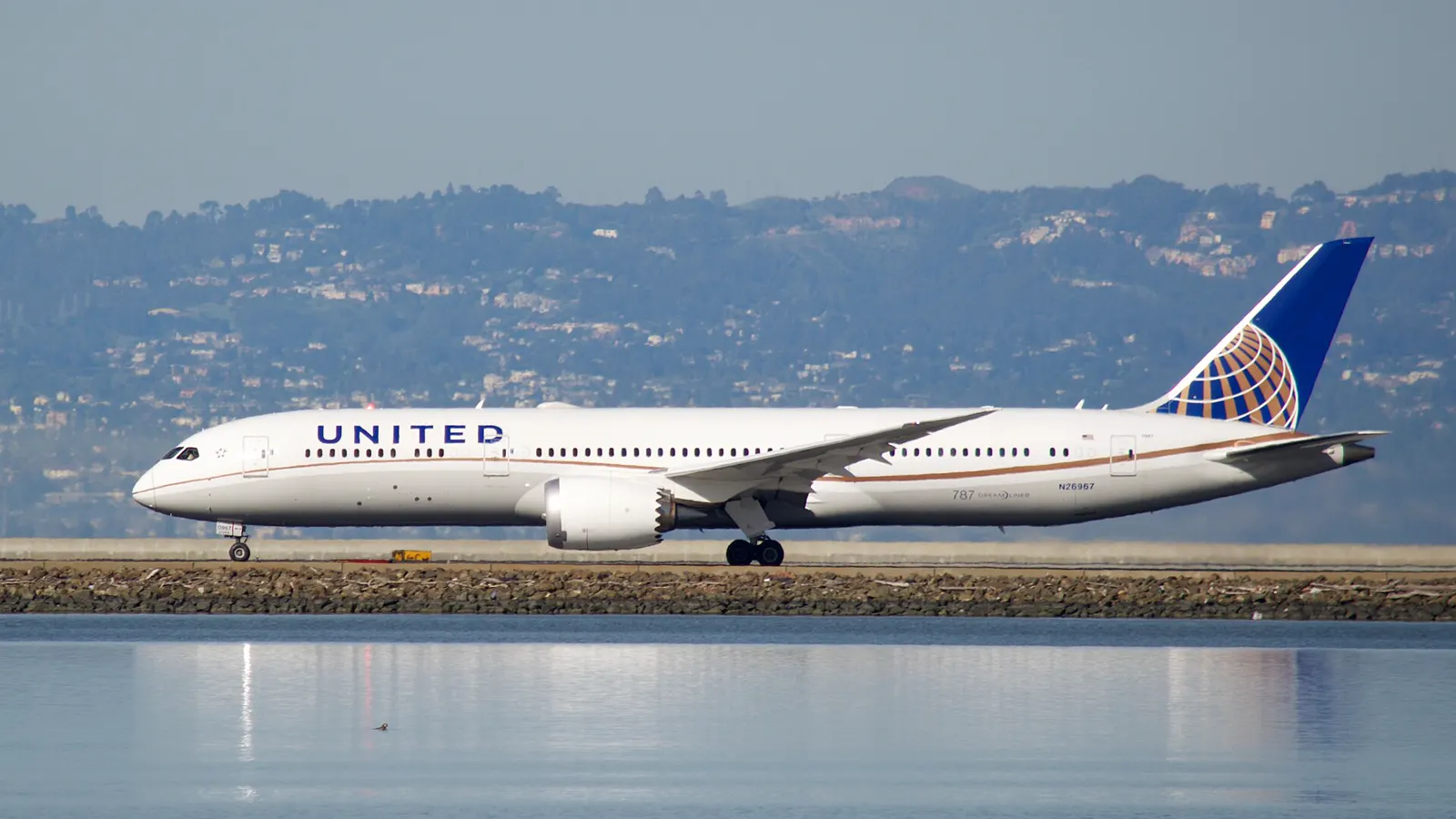
United Airlines has become the first major US carrier to tell AI agents they cannot buy its tickets. A revision to its Contract of Carriage dated November 11, 2026 adds AI agents to the airline's list of prohibited ticketing practices — alongside hidden-city ticketing and throwaway fares — and gives United the right to cancel any reservation an agent touches, without notice.
The rule is short and sweeping. New Rule 6.J.6 bars “the use of AI Agents to make, modify or service a Ticket, and/or to purchase any service or product.” A companion change to Rule 5.H adds reservations “made, modified or serviced by AI Agents” to the bookings United says it will cancel without notice. And the definition in Rule 1 is deliberately broad: an AI Agent is any software or service that takes autonomous or semi-autonomous action “whether or not Passenger or another individual supervises or approves its actions” — so even a customer who watches every screen and taps approve is still using one.
What the new rule actually says#
Rule 6.J is where United lists the ways passengers try to get around its fare system. Items one to four cover hidden-city ticketing, throwaway ticketing, back-to-back ticketing and circumvention of stayover rules. AI agents now occupy item six, next to obtaining a ticket through fraudulent or deceptive means. The definition closes with three named categories, introduced as “including but not limited to”: assistants built into social media, messaging, search or other consumer platforms; AI-enabled browsers and standalone AI agents; and any third-party AI assistant that accesses United through a tool, application or connection provided by a travel agency or other intermediary.
The contract names no product. But the categories map onto real ones: Meta's Muse, an assistant inside a consumer platform, was the agent Amazon said it had cut off from buying on Amazon.com in September. Google's AI Mode began completing hotel bookings with US partners in August, and Chrome's auto browse, added in July, lets AI agents book travel for AI Pro and Ultra subscribers.
The remedies are not minor. Under Rule 6.K, United can invalidate tickets, cancel the rest of an itinerary, permanently ban a passenger or refuse to board them, delete miles, revoke Elite status, terminate MileagePlus membership and take legal action. Timing matters too: tickets issued before November 11 fall under the earlier text, and United says agent-made bookings from before that date will not be cancelled.
| What an AI agent does with United | Allowed? |
|---|---|
| Search and show United flights and fares | Yes — the customer completes the purchase |
| Book, buy or ticket a flight | No — barred by Rule 6.J.6 |
| Modify a ticket, change a seat, request a refund | No — “service a Ticket” is barred, though the term is undefined |
| Buy a seat, upgrade or ancillary product | No — “purchase any service or product” is barred |
| Book through a travel agency's AI tool | No — assistants reaching United through an intermediary are covered |
| Research and plan a trip without touching united.com or the app | Yes — United's own guidance allows it |
Why United did it — and what it didn't say#
The contract carries no commentary, so the reasons come from what United has said around it. According to CNBC, the airline cited data security: handing account credentials to a third-party assistant could expose sensitive information and lead to unintended purchases or MileagePlus misuse. It also flagged a regulatory concern. Online check-in requires a passenger to personally acknowledge rules on prohibited items, and United said an automated agent completing that step could create compliance risk under Federal Aviation Administration and Department of Transportation rules.
The more revealing explanation came from the chief executive. Citing the Wall Street Journal, View from the Wing reported that Scott Kirby said at an event in Chicago that he did not want to create another middleman. Analyst Henry Harteveldt of Atmosphere Research Group told CBS News that United doesn't want “yet another, and potentially even more powerful, intermediary” on top of Google search, metasearch sites and online travel agencies — and pointed out that flight searches cost airlines money. Airlines have spent years pulling customers back to their own channels, where they keep the relationship and sell upgrades and bags. An agent that turns every flight into a pure price comparison threatens to reverse that work.
The wider split: block, partner, or build#
United is not the only company deciding how much access to give AI agents — but the industry is splitting. Amazon blocked Meta's Muse from buying on Amazon.com in September; Walmart did the opposite in October, setting terms that let outside agents buy within customer-set limits such as $50 or $100. Expedia and Booking are working with OpenAI, and some banks restricted agent access in October. Meta's Muse, the assistant Amazon blocked, passed 10 million users in October, according to USA Today. The result is a patchwork: the same assistant may book a hotel through one partner and hit a wall at an airline.
Enforcement is the open question. A contractual ban is not a technical block: the contract does not say how United will tell an AI agent from a person, and Arkose Labs reported in October that 97.7% of legitimate AI agent sessions carried no verified ID. There is also no carve-out for approved partners: Walmart's terms offer a sanctioned route for compliant agents, while United's contract offers none — though the airline says it wants “standardized, secure technology integrations,” which reads as an invitation to negotiate on its terms.
What to watch#
Whether other US carriers follow. United is first, and the industry usually moves in packs on distribution fights. Whether United enforces it, and how: the first cancelled reservation or banned account will test the detection problem in public. The first airline-sanctioned integration: United says it wants standardized, secure integrations, and whichever agent gets approved first will have a valuable competitive edge. Corporate travel managers should check whether any booking tool or employee-installed assistant touches United directly.
Sources: PPC Land — United bans AI agents from buying its tickets, seats and upgrades (Nov. 11, 2026); QUE.com — United Airlines Becomes the First Carrier to Ban AI Agents From Booking Flights (Nov. 12, 2026); The Apex Wire — United Airlines Bans AI Agents From Booking Flights (Nov. 11, 2026). Contract quotations are from United's Contract of Carriage as reported; the Kirby remark is via the Wall Street Journal as reported by View from the Wing.