Wizstar Wizshot 1.0 turns up to 9 reference images into 720p video at 5 credits a second
Wizstar launched Wizshot 1.0 on November 6, 2026, its first video model built and trained in-house. The reference-to-video model turns up to nine reference images into 720p clips at 5 credits a second — a price Wizstar says undercuts Seedance 2.0 by 72%, while matching the quality of Wan 3.0 and MiniMax H3.
- Who: Wizstar, an AI-powered content creation platform, launching its first in-house video model.
- What: Wizshot 1.0, a reference-to-video model launched November 6, 2026, developed and trained from the ground up.
- Price: 5 credits per second in Credit Mode; Wizstar says that is 72% cheaper than Seedance 2.0.
- References: Up to nine reference images per generation, guiding the video with visual references.
- Output: 720p landscape and portrait videos, 5 to 15 seconds long, with up to four videos per generation.
- Access: Available to all logged-in Wizstar users without a paid membership; eligible subscribers get limited-time Unlimited Mode.
AI video generation has a cost problem that looks a lot like the one image generation had a few years ago: the models keep getting better, but every second of output is priced like a luxury. Wizstar, an AI-powered content creation platform, is betting that the fix is to own the model itself. On November 6, 2026, the company launched Wizshot 1.0, its first in-house reference-to-video model, developed and trained from the ground up.
The pitch is quality at a working creator’s price. Wizshot 1.0 delivers quality comparable to leading models such as Wan 3.0 and MiniMax H3, according to Wizstar, at 5 credits per second. Compared with Seedance 2.0, the company says it offers a 72% lower generation cost — a gap aimed squarely at creators and businesses producing video at scale, where the per-second price decides how much experimentation and iteration a project can afford.
What Wizshot 1.0 does
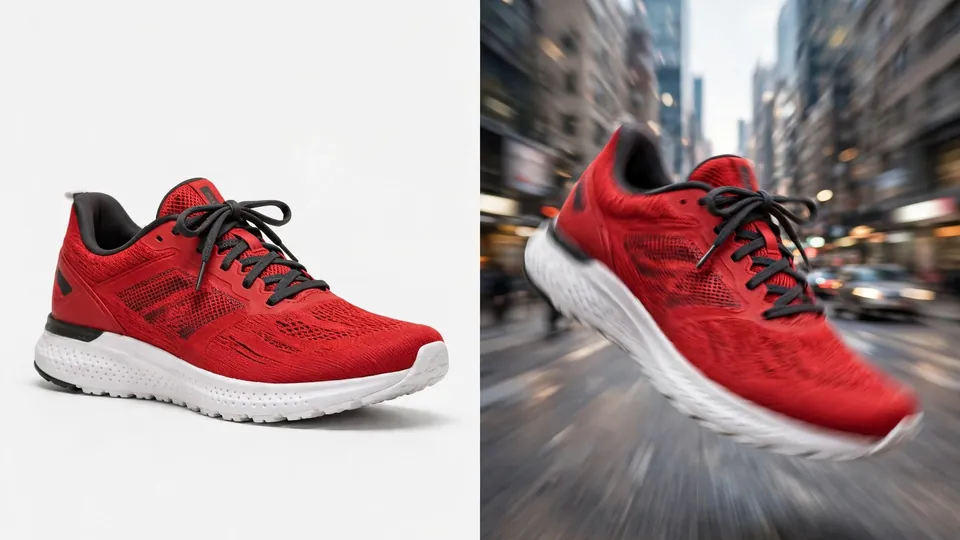
Wizshot 1.0 is a reference-to-video model: instead of starting from a text prompt alone, it takes visual references and animates them. It supports up to nine reference images per generation, letting a creator guide a clip with photos of a product, a person, or a scene. It generates 720p landscape and portrait videos ranging from 5 to 15 seconds, with up to four videos per generation.
Beyond overall visual quality, Wizstar says the model is optimized across the dimensions that decide whether a generated clip is usable in commercial work: audio-visual synchronization, prompt adherence, content extrapolation coherence, and physical plausibility. It also focuses on keeping products consistent, human identity consistent, and human appearance realistic in both static and dynamic scenes — the failure modes that usually give AI video away in marketing and e-commerce.

Two ways to pay
Wizstar offers two generation modes. Unlimited Mode lets eligible subscribers generate videos without consuming credits during the applicable benefit period. Credit Mode generates at 5 credits per second, with higher queue priority for faster processing. Wizshot 1.0 is available to all logged-in Wizstar users without a paid membership, and eligible annual and Plus Monthly subscribers or above can access the limited-time Unlimited generation benefits, subject to plan terms.
That framing matters because the cost comparison Wizstar leads with is a company claim, not an independent benchmark: no third-party evaluation of Wizshot 1.0’s quality or its 72% cost saving was published with the launch. What is verifiable is the price structure itself — 5 credits a second, no membership required to try it — and the spec sheet: nine references, 720p, 5 to 15 seconds.
A crowded field, a cheaper seat
Wizshot 1.0 arrives in a week when the video-model field is moving fast. Google’s Gemini Omni 1.2 Flash launched November 5 with 15-second clips and conversational editing at $0.07 per second for 720p, and Kling 4.0 went global in October with 30-second clips and 15 reference assets. Wizstar is not trying to out-spec either of them; its bet is that a cheaper, reference-driven model aimed at marketing, e-commerce and social media has room underneath the frontier models.
The launch also marks a strategic shift for Wizstar itself. By developing its own models alongside integrating leading third-party ones, the company says it aims to improve control over video quality, generation costs and creative workflows. Wizstar is expanding its AI creation ecosystem across video generation, image creation, digital avatars and marketing tools — and Wizshot 1.0 is its first proof that the in-house half of that strategy can ship. Whether creators adopt it will come down to the one thing no press release can settle: whether the clips look as good as the ones from the models Wizstar names as its peers.
Frequently asked questions
What is Wizshot 1.0?
Wizshot 1.0 is Wizstar’s first in-house reference-to-video model, launched November 6, 2026. It turns reference images — up to nine per generation — into video clips, and Wizstar says it was developed and trained from the ground up.
How much does Wizshot 1.0 cost?
In Credit Mode, generation costs 5 credits per second, with higher queue priority. Eligible annual and Plus Monthly subscribers can also use a limited-time Unlimited Mode that generates without consuming credits during the benefit period. Wizshot 1.0 is available to all logged-in Wizstar users without a paid membership.
What kind of video can Wizshot 1.0 make?
It generates 720p landscape and portrait videos ranging from 5 to 15 seconds, with up to four videos per generation. Wizstar says it is optimized for audio-visual synchronization, prompt adherence, product consistency and human identity consistency.