XTEND patents drones that take orders from their payloads — XOS lets smart payloads steer missions in real time
XTEND AI Robotics announced on October 5 that the USPTO granted U.S. Utility Patent No. 12,743,960, covering a system where a smart payload feeds real-time navigation instructions to the drone carrying it through XOS — so the platform adapts to what's on board while the operator stays in command.
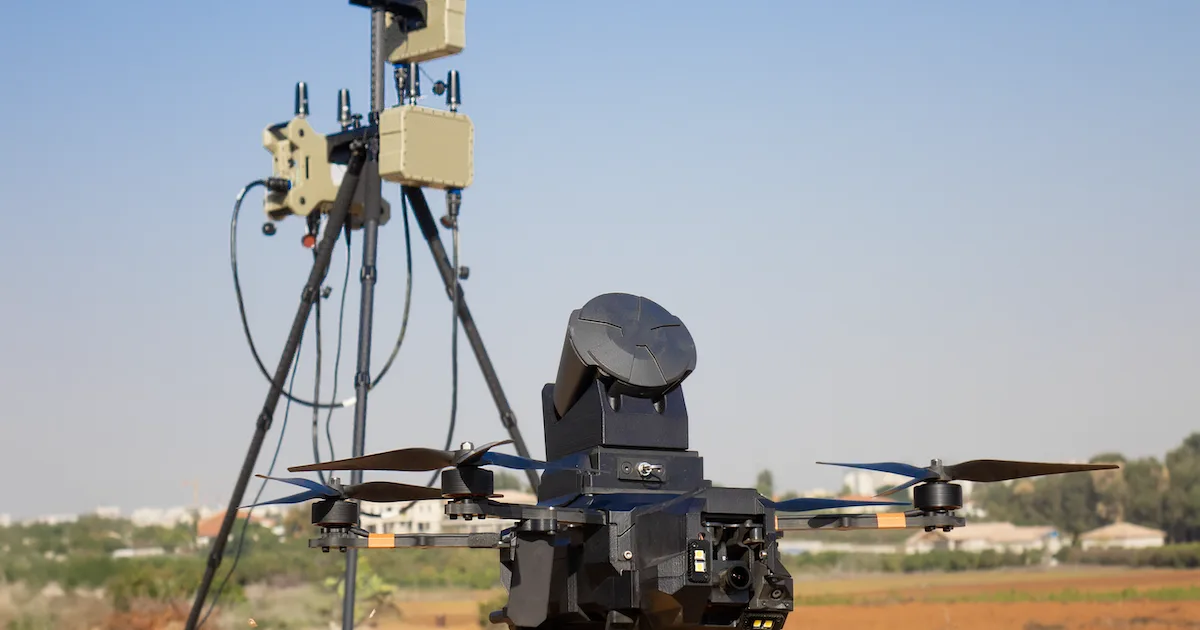
XTEND AI Robotics, Inc. (NYSE: XTND) announced today that the United States Patent and Trademark Office has granted it U.S. Utility Patent No. 12,743,960, covering a system in which a smart payload gives XTEND's platform real-time instructions on how to navigate and behave in the field. The capability runs through XOS, the company's proprietary operating system: a payload adaptor forms the physical and communications link between the payload and the platform's controller, and XOS turns the payload's signal into the platform's actual flight-control response — avoiding a road or another UAV, for example.
The payload joins the mission
Navigation is only the start. While the operator remains in command throughout, XOS applies the same principle to other in-field behavior: a payload can switch the operator's display view or trigger defense-oriented modes like evasion, interception, or countermeasures. In effect, the patent protects the mechanism that turns payloads from passive cargo into active participants in the mission.
The IP strategy behind it
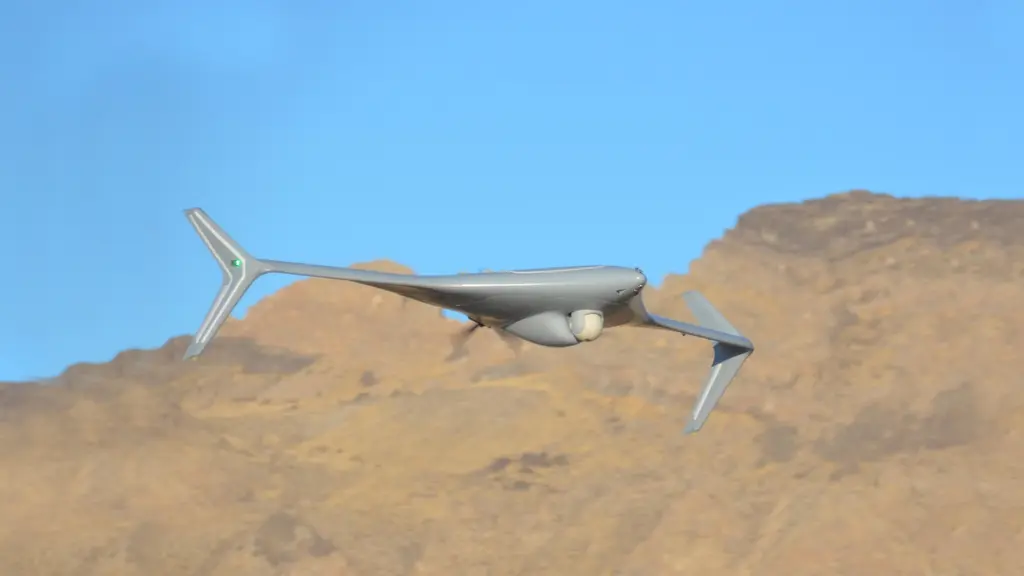
The utility patent itself was issued September 22, 2026. According to the company, it reflects a broader IP strategy: protecting not just individual robotic platforms, but the underlying mechanisms that let a platform's behavior be shaped by what it's carrying and by the mission. It follows the September 28 grant of a U.S. design patent for NEST, XTEND's autonomous base station for persistent robotic operations.
The same architecture is what opens XTEND's platforms to third parties through the XOS Marketplace, the company's open ecosystem. Through the XTEND Generic Payload Hub, a common interface on XTEND platforms, manufacturers of sensors, cameras, communications systems, and mission modules can design a payload once and install it across the fleet, without a separate integration for each airframe. The patented architecture is what makes those payloads more than accessories — through XOS, a partner's payload can take part in the mission itself, shaping how the platform navigates and responds.
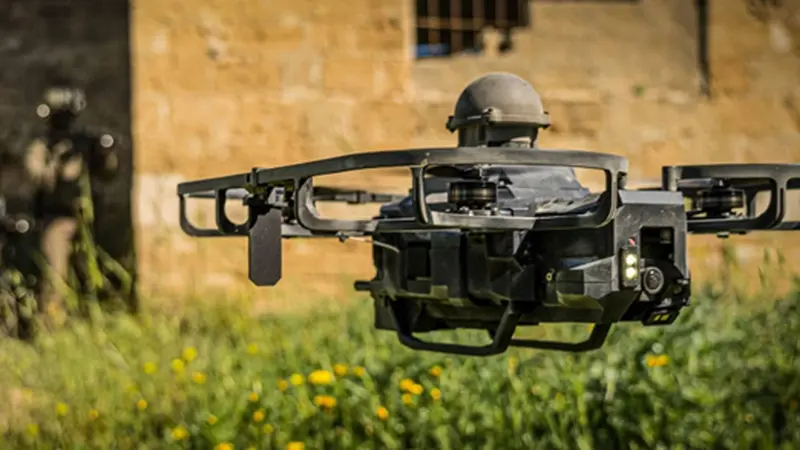
"Every mission is different, and until now, adapting a platform to a new mission meant an operator had to stop and reconfigure it by hand. With this patent, the platform adapts on its own, in real time, based on what it's carrying, while the operator still commands every decision that matters."
Aviv Shapira, Co-Founder and CEO, XTEND AI Robotics
Why it matters
XTEND calls itself "a leader in software systems and Physical AI." The company — founded in Tel Aviv in 2018 and headquartered in Tampa, Florida — trades on the NYSE as XTND, with shares around $3.12 on October 5 and a market capitalization of roughly $777 million, per Stock Analysis. Its boilerplate claims more than 10,000 systems deployed in over 30 countries, validated in five combat zones, with NDAA-compliant solutions. The patent doesn't change what's flying today — it locks in the architecture underneath, the one that decides who gets to build for it.