Trump as Morpheus, Jensen Huang as Neo: AI 'Matrix' Parody Goes Viral on Reddit
It is forty-two seconds long, it stars Donald Trump in a leather coat and Jensen Huang in a leather jacket, and it ends with Xi Jinping pointing a gun at the camera. The AI-generated Matrix parody posted to r/ChatGPT in the early hours of Thursday has 2,200 upvotes, 115 comments, and a thread that cannot decide whether it is the funniest thing AI video has produced this week — or a joke that flatters the wrong people.
- The video: 42 seconds, Reddit-hosted, posted to r/ChatGPT on November 12 at 1:57 a.m. EST by u/Surferboiy — 2,200 upvotes and 115 comments by midday. No body text; the clip is the whole post.
- The cast: Trump plays Morpheus, in a black leather coat; Huang plays Neo, in a black leather jacket — the jacket is Huang’s trademark look. Xi Jinping appears in the final frame.
- The dialogue: the captions have Morpheus telling Neo that “China is a tremendous system, Jensen” and, near 0:28, warning that “they want your secrets”.
- The ending: the last frame is Xi in sunglasses and a black suit, gun pointed straight at the camera, agents behind him. Commenters call it the “Xi jumpscare”.
- The doubts: the lip sync is called out as rough; commenters question whether ChatGPT made it at all — one suggests an open-weight model instead; another says the clip was taken from WallStreetBets without credit. None of it is settled in the thread.
- The context: it landed the same morning the Huang resignation story dominated Reddit — the Nvidia chief’s exit is the news the parody is riffing on, and we covered the resignation earlier today.
It starts as a straight Matrix homage and stays one for about forty seconds. Trump, in a black leather coat as Morpheus, walks beside Jensen Huang, in a black leather jacket as Neo, and delivers the briefing: China, the system, the secrets. The captions do a lot of the work — Morpheus tells Neo that “China is a tremendous system, Jensen”, and near the half-minute mark warns that “they want your secrets”, with a line about how charming the people after those secrets can be. Then the clip cuts to its punchline: the final frame, at 0:42, is Xi Jinping in sunglasses and a black suit, pointing a gun directly at the camera, suited agents standing behind him.
That ending is what the thread keeps coming back to. The most repeated reaction is some version of surprise at Xi’s appearance — one commenter writes that they did not expect to see him at all; another calls it simply a great ending. The title does the rest of the selling: “Absolute Cinematic reality we live right now!” The poster, u/Surferboiy, added nothing beyond it. No description, no tool credit, no prompt, no explanation. The video is the post.
What the video actually shows#
A walk-and-talk, in the visual language of the 1999 film: two men in black leather, a corridor, a warning. The Trump figure does the talking, in a voice the thread immediately argues about — one of the top comments says the models make Trump sound far too sharp, almost intelligent, “so unrealistic”. The Huang figure mostly listens, which is the joke’s casting logic: the chief executive of the company at the centre of the AI boom, recast as the chosen one, being told how the system works.
People are watching the frames closely enough to argue about the details. One commenter asks whether a Commonwealth Bank logo visible in the clip was in the original footage or added by the AI; another replies that it was almost certainly in the original. The clip is 42 seconds of AI video, captioned throughout, and the thread treats it like a text to be annotated — which, for a throwaway parody, is a lot of attention.
How it was (probably) made#
Here is the honest answer: nobody in the thread knows. The post carries no credit for a model, a tool, or a workflow, and the most-upvoted open question is how the thing was produced at all. One commenter asks whether ChatGPT can really do that, noting that its video tools balk at celebrity likenesses whenever they try; another replies that the clip was likely made with an open-weight model from Hugging Face. Neither claim is verified, and the poster has not replied in the comments to settle it.
The same uncertainty hangs over where the clip first appeared. One commenter asks why the poster took it from WallStreetBets without giving credit — an allegation, not a documented repost, but it is the kind of provenance question that now follows every viral AI clip. What can be said with confidence is only what the video itself shows: a 42-second AI-generated parody, captioned, starring synthetic versions of three real public figures. Everything else — the model, the prompt, the first upload — is still unanswered in the thread at the time of writing.
What Reddit liked — and what it pushed back on#
The top of the thread is mostly delight. The ending gets the biggest laugh — “Great ending” sits near the top, and the Xi-spotting jokes multiply from there, including one commenter who says all they saw was Winnie the Pooh. Another calls the whole thing proof that reality has officially become satire. The nicknames arrive fast: one commenter dubs the Trump character “Doopheus”, and the reply thread spins out an orange-pill gag about waking up in Mar-a-Lago. The clip is, by the thread’s own account, very funny for forty-two seconds.
The pushback is sharper, and it is the more interesting half of the thread. The most-liked criticism is not about the craft but about the casting: one commenter writes that the video keeps turning real-life villains into cute, likable characters, and calls the pattern suspicious. A long argument follows underneath, with another commenter making the case that putting Trump “into the role of Morpheus, a cool protagonist” normalises him. The craft gets its own critique too — the lip sync is called rough, one commenter dismissing the clip as a good draft that needs a lot of work. And the voice work splits the room: too sharp, too intelligent, too unlike the man it is imitating.

Why it matters#
Two things. First, the casting is the news. The most powerful chip executive of the AI boom, on the morning his resignation dominates the feed, is recast as Neo — and the parody only lands because the audience already knows Huang, his leather jacket, and the stakes: China, secrets, chips. The video is a joke about the news cycle that could only have been made this week, and the thread knows it.
Second, the argument in the thread is the real story about AI video right now. The tools are good enough that a 42-second celebrity parody reads as a polished short, and the debate has already moved past whether AI can do this. It is now about whether it should — who gets flattered, who gets credit, and which model did the work. Provenance and tooling are the first questions a viral AI clip faces, and this one arrived with answers to neither.
What to watch#
Three things. First, whether the poster — or the original creator, if the WallStreetBets claim holds — steps forward with the tool and the prompt. The thread’s most-upvoted open question is how the clip was made, and an answer would settle half the arguments in it. Second, whether the clip migrates off Reddit to X and TikTok, where the same 42 seconds will meet a much bigger audience and a different argument. And third, whether the next viral AI parody learns from the lip-sync complaints — or whether the roughness is part of the charm.
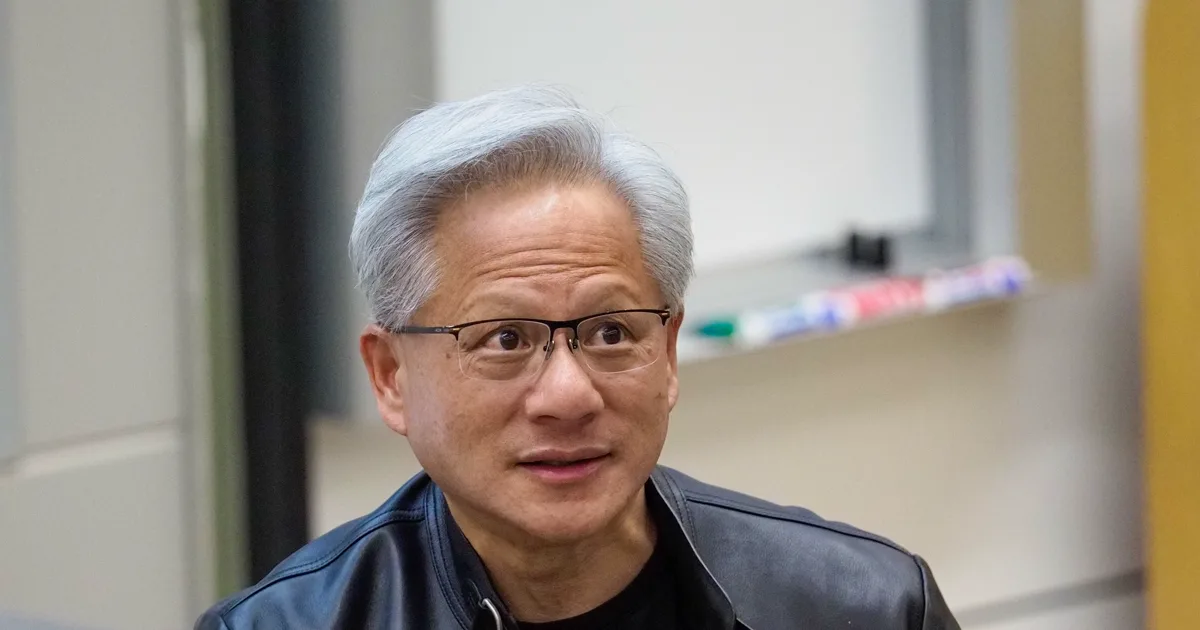
Sources: the original post by u/Surferboiy on r/ChatGPT. Commenter claims are reported as thread claims, not independently verified. Which model made the video, and where the clip first appeared, were unanswered in the thread at the time of writing. The cover photograph shows Jensen Huang speaking at Stanford University on April 30, 2026 (Anderseidesvik, CC BY-SA 4.0, via Wikimedia Commons). The inline image is an AI-generated illustration.