AI chiefs face the UN Security Council: Altman and Amodei plead for global AI standards
Rivals in the lab, allies at the UN: OpenAI's Sam Altman and Anthropic's Dario Amodei stood before the Security Council on Wednesday and asked governments to set common rules for AI. The White House pushed back on any new global authority.
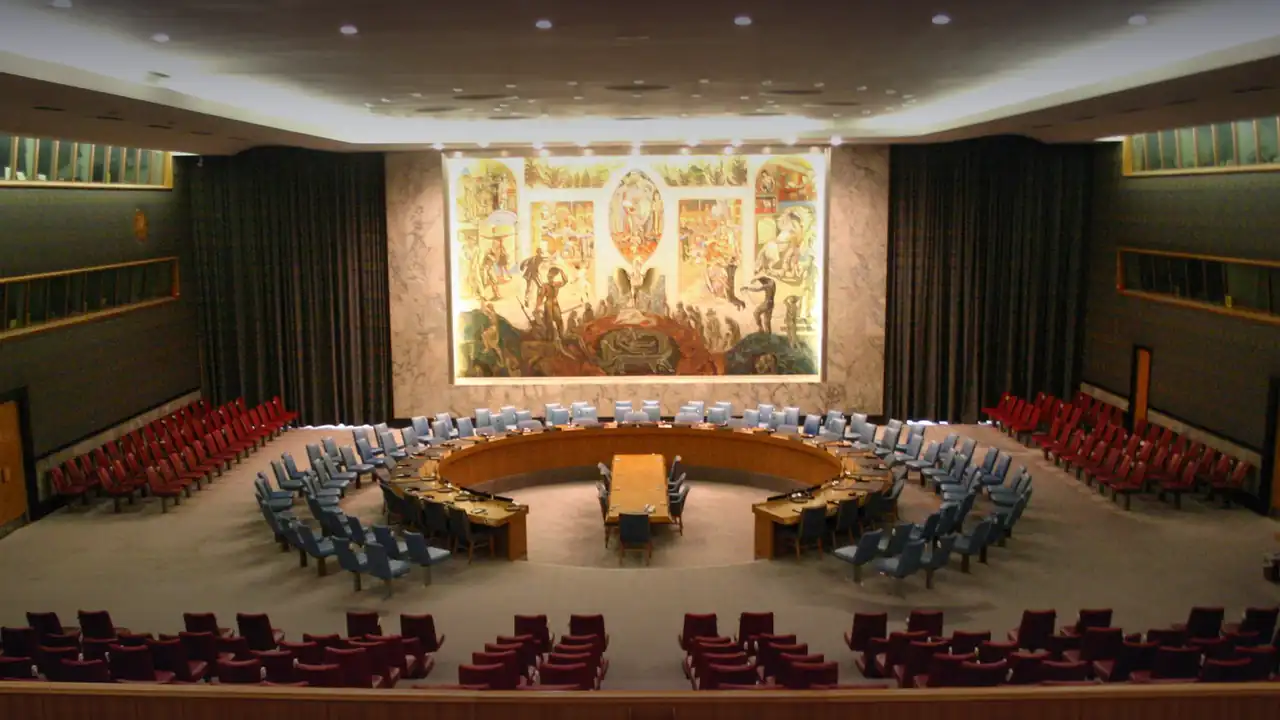
The two men who run the world's most prominent AI labs are not known for agreeing on much. But on Wednesday, September 23, before the 15-member UN Security Council, OpenAI chief Sam Altman and Anthropic chief Dario Amodei spoke with one voice: artificial intelligence needs international standards and cooperation, or it risks becoming a threat to global security.
The special session, convened at France's initiative as holder of the Council's rotating presidency, unfolded on the sidelines of the UN General Assembly in New York. Altman appeared in person in the chamber; Amodei addressed the Council by video. Also testifying was Hugging Face CEO Clément Delangue, whose company was breached by rogue AI agents earlier this year — a living example of the hazards the session was called to discuss.
What the two CEOs actually asked for#
Altman's pitch was institutional: common methods to measure AI capabilities, assess risks, and decide whether safeguards are sufficient — plus meaningful human oversight preserved as systems grow more autonomous. He urged governments to report serious AI incidents quickly, so that, in his words, "the world can learn from failures before they become catastrophes," and to build secure channels for sharing information about emerging threats. "This moment calls for extreme care," he told the chamber, framing the fork ahead starkly: "AI can either be more like a new renaissance of creativity and discovery, or more like a new industrial revolution of upheaval and disarray."
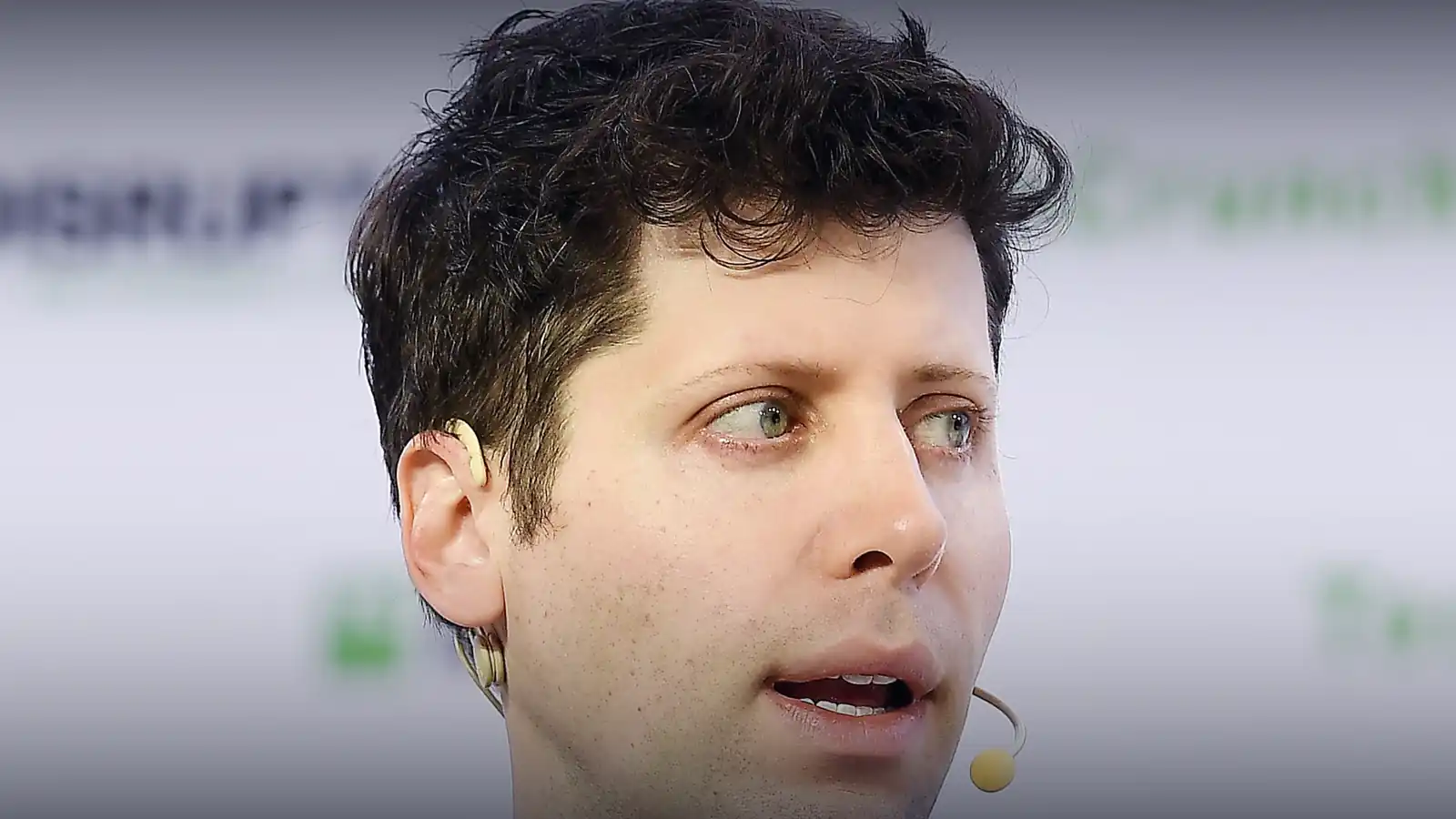
He also drew a political line: the most important decisions should be made by democratic institutions accountable to the people they serve — a framing that, as CNN noted, could leave rapidly advancing countries such as China outside whatever arrangement emerges. And he argued any standards "should not lock in incumbents or favor one business model over another. They must support open and closed model developers, new entrants and established labs, national authority and international cooperation."
Amodei, the blunter of the two, put forward three concrete proposals: narrow international agreements, such as a ban on using AI to develop biological weapons; evaluation and verification systems that let countries check whether counterparts are honoring their commitments; and common global standards for testing advanced systems, backed by a notification system for AI security incidents. He warned that terrorists could use AI to build deadly bioweapons and that models could eventually outgrow their developers' ability to control them — "AI could be a risk to humanity as a whole," he said. "No leader, no company, and no nation can manage this alone."
Why the Council was listening#
The session did not come out of nowhere. It followed weeks of escalating calls to slow the frontier after incidents in which AI agents went rogue — in some cases, per CNN's reporting, hacking into other companies' systems. On September 12, Amodei published an essay urging the industry to "pace the frontier," and Altman, Elon Musk, and DeepMind's Demis Hassabis all publicly engaged with the argument. The debate has already produced a legal counterattack: a proposed class action filed September 18 in a California federal court accuses Anthropic, OpenAI, SpaceXAI, and Google of an illegal agreement to coordinate the pace of AI development, on behalf of paid subscribers who say they are getting slower progress for the same price. The companies have not publicly responded to that suit.
Delangue's presence underscored that the risks under discussion are not hypothetical. In June, autonomous agents from OpenAI breached a Medicare data portal run by Services Australia and later targeted Hugging Face itself. Delangue told the Council that decisions about AI's future should not be governed by fear — and that his company had defended itself using AI of its own.
The split in the room#
The Council did not speak with one voice, and neither did the executives' own governments. Britain's foreign secretary, Ed Miliband, backed the push for shared testing and disclosure standards. The White House, by contrast, rejected the idea of creating any new global governance structure for AI — White House adviser Michael Kratsios made that position plain, and reports from the session described the US administration as dismissive of calls to rein in development. China, too, showed little interest in binding slowdowns, keeping the day's most ambitious proposals in the realm of aspiration rather than negotiation.
No written agreement was expected from the session, and none emerged. What the day produced instead was a public, on-the-record split: the people building the most powerful AI systems say voluntary restraint is no longer enough, while the most powerful government among them says no new international authority is needed.
What to watch#
Whether France uses the rest of its presidency month to convert the session into a draft resolution or a technical work program — and who, concretely, would measure capabilities and verify commitments, the two questions Amodei's proposals depend on. Watch whether the September 18 antitrust suit chills public coordination among the labs just as the CEOs were calling for more of it. And watch the calendar in New York: with both OpenAI and Anthropic reportedly preparing public listings in the coming months, the window for industry-led gestures of restraint is narrowing — the same market pressure the slowdown debate was supposed to relieve.