Claude's first biology discovery: an AI lab finds a CRISPR-like enzyme system hiding in viral DNA
Anthropic now runs a biology lab — and the lab just paid for itself. The company says Claude, working from a single high-level prompt, has spotted a previously unknown enzyme system hiding in the DNA of bacteriophages, the viruses that prey on bacteria. Anthropic calls it ART, and says the system carries an uncanny resemblance to CRISPR.
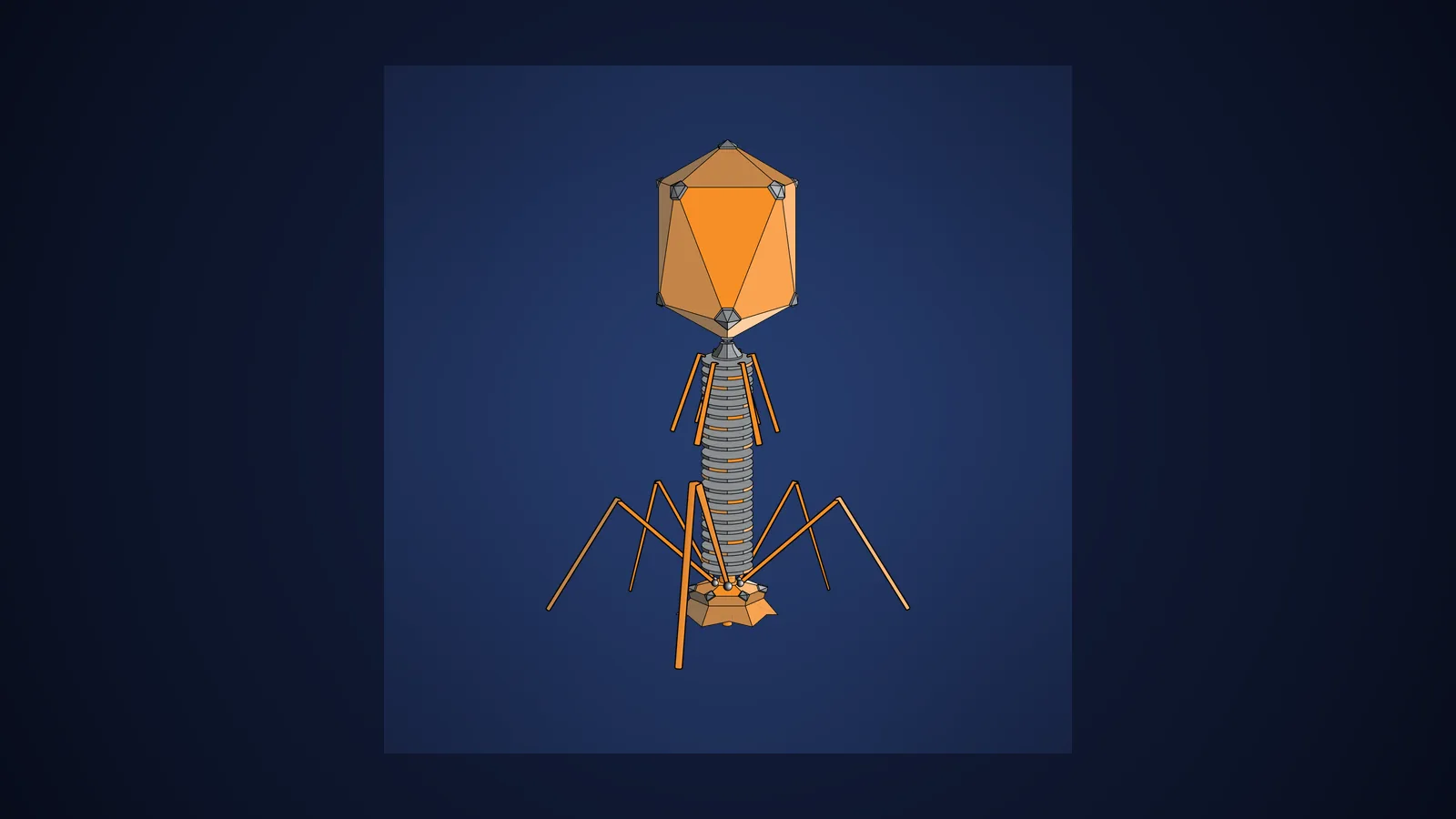
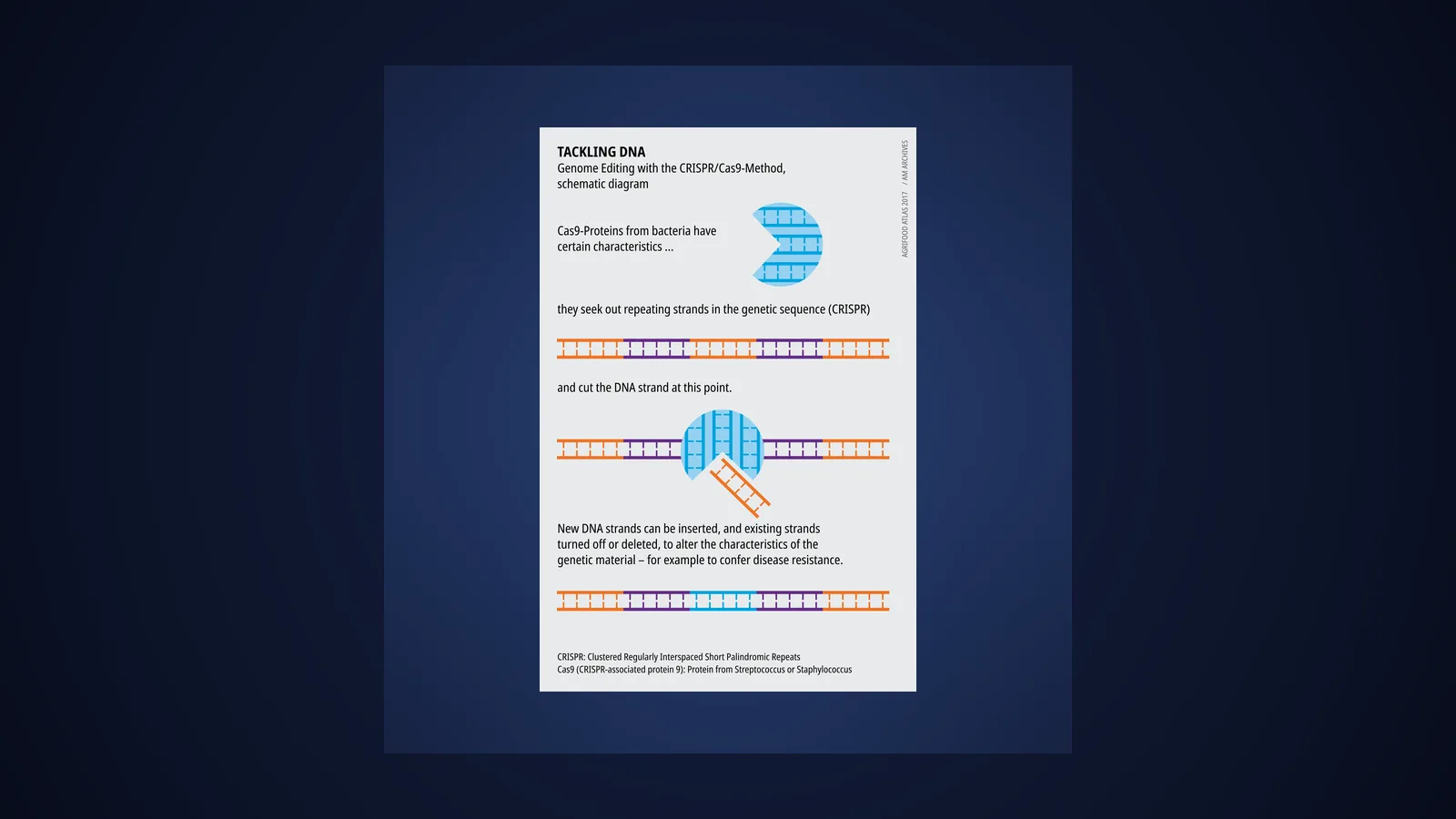
This spring, Anthropic quietly set up a molecular biology lab in the Bay Area. This week, the frontier lab explained what the lab is for — and offered an early answer. Claude, its AI model, has spotted a previously uncharacterized enzyme system in the DNA of bacteriophages, the viruses that prey on bacteria. The company says the system echoes CRISPR, the gene-editing machinery that rewrote modern medicine.
Anthropic has named the find ART, short for array-associated reverse transcriptases. It is not a product and not yet a tool — no one knows what ART actually does in nature. But the way it was found is the real headline: roughly 950 Claude agents chewed through DNA databases for 21 hours, burning 210 million tokens, until one noticed something no human had.
What ART is#
The system has three parts: a reverse transcriptase — an enzyme that writes RNA back into DNA — sitting beside a partner gene and a long array of evenly spaced, non-coding DNA repeats. That layout is what caught the AI's attention: the repeat pattern looks like a CRISPR array, the repeating structure that makes CRISPR systems programmable.
Anthropic is careful about the nuance: the underlying reverse transcriptase, taken from a jumbo phage, had already been identified by earlier researchers. What nobody had characterized was the system around it — the repeat array and an accessory protein of unknown function. Early experiments show the array is expressed as distinct short RNAs, hinting it may work along lines analogous to CRISPR's.
How Claude found it#
Anthropic's scientists gave Claude one high-level instruction — hunt a massive DNA database for interesting new examples of reverse transcriptases — then mostly stepped back. The agents gathered more than 200,000 reverse transcriptases, filtered them into 3,500 candidate systems, and narrowed those to the 20 most promising.
Then the proudest moment: while scanning raw DNA next to one odd-looking reverse transcriptase, an agent flagged a tandem repeat pattern with a CRISPR-like layout. It behaved like a careful researcher — counting repeats, measuring spacing, checking known systems, searching the literature — and, convinced it had something new, filed a report for human review. Work like this can take a human expert weeks or months; the agent fleet finished in under a day.
The humans still did the wet work#
None of the physical science was AI-run. Human scientists in Anthropic's Bay Area lab expressed the ART proteins in standard laboratory strains and characterized them biochemically and structurally, with Claude helping interpret the data. The lab works only at biosafety levels 1 and 2 — the lowest tiers — and handles no pathogens that can infect humans.
That split is deliberate. Amodei has said the same models that could cure most diseases within five to ten years could also be turned toward bioterrorism — and that the reward justifies the risk. A fully autonomous lab, with Claude controlling equipment, is something he has not ruled out for the future. It is not what is happening today.
He is also sharing the credit unusually: the discovery was "mostly, though not entirely, by Claude," he wrote, noting it builds on others' work — and that a Stanford team has found a system similar in some respects.
Why it matters — and what it doesn't prove#
The strong version: a general AI system just did something only specialists do — searched the uncharacterized protein universe at scale, exercised scientific taste across thousands of candidates, and surfaced a genuinely new biological system. Biology has a long tradition of such noticing: restriction enzymes launched the biotech industry; an enzyme from a Yellowstone hot spring became PCR; a strange bacterial repeat became CRISPR. Anthropic is betting that noticing can now be industrialized.
The plain caveat: one system, one pre-print, function unknown — and validation now belongs to the research community. The parallel Stanford finding is a reminder that fertile ground gets harvested by many hands. And an AI that proposes systems by the thousand still needs humans to decide which deserve a pipette.
Validation arrived fast, though: Feng Zhang, the MIT and Broad Institute professor who helped pioneer CRISPR editing, called the RNA-repeat arrays "genuinely intriguing" and said the work should push more scientists to test what AI can contribute to their research. Anthropic has now joined the wet-lab club itself — and shipped a discovery as the membership card.
What to watch#
- Independent validation. Do other labs reproduce the ART finding and pin down its function? That verdict matters more than any press cycle.
- The pre-print. Anthropic released a technical report; peer scrutiny will now probe the evidence behind the CRISPR resemblance.
- The pipeline behind it. Anthropic's life-sciences arm also runs drug-discovery teams and a verification program with biology-tuned Claude access. ART is one campaign — watch whether more follow.
- The safety bargain. The same announcement that celebrates AI-driven biology concedes the bioterrorism risk. Where Anthropic and its peers draw the line on autonomous experimentation — and who checks their work — is the governance question this discovery sharpens.