AOC, Ro Khanna and 8 House Democrats sign on to the superintelligence ban — the Ban Artificial Superintelligence Act now has a caucus
Rep. Greg Casar’s Ban Artificial Superintelligence Act — up to 20 years in prison for violators — picked up 10 Democratic cosponsors this week, led by Alexandria Ocasio-Cortez and Ro Khanna. The internet’s verdict: a virtue-signaling bill that goes nowhere without a single Republican vote.
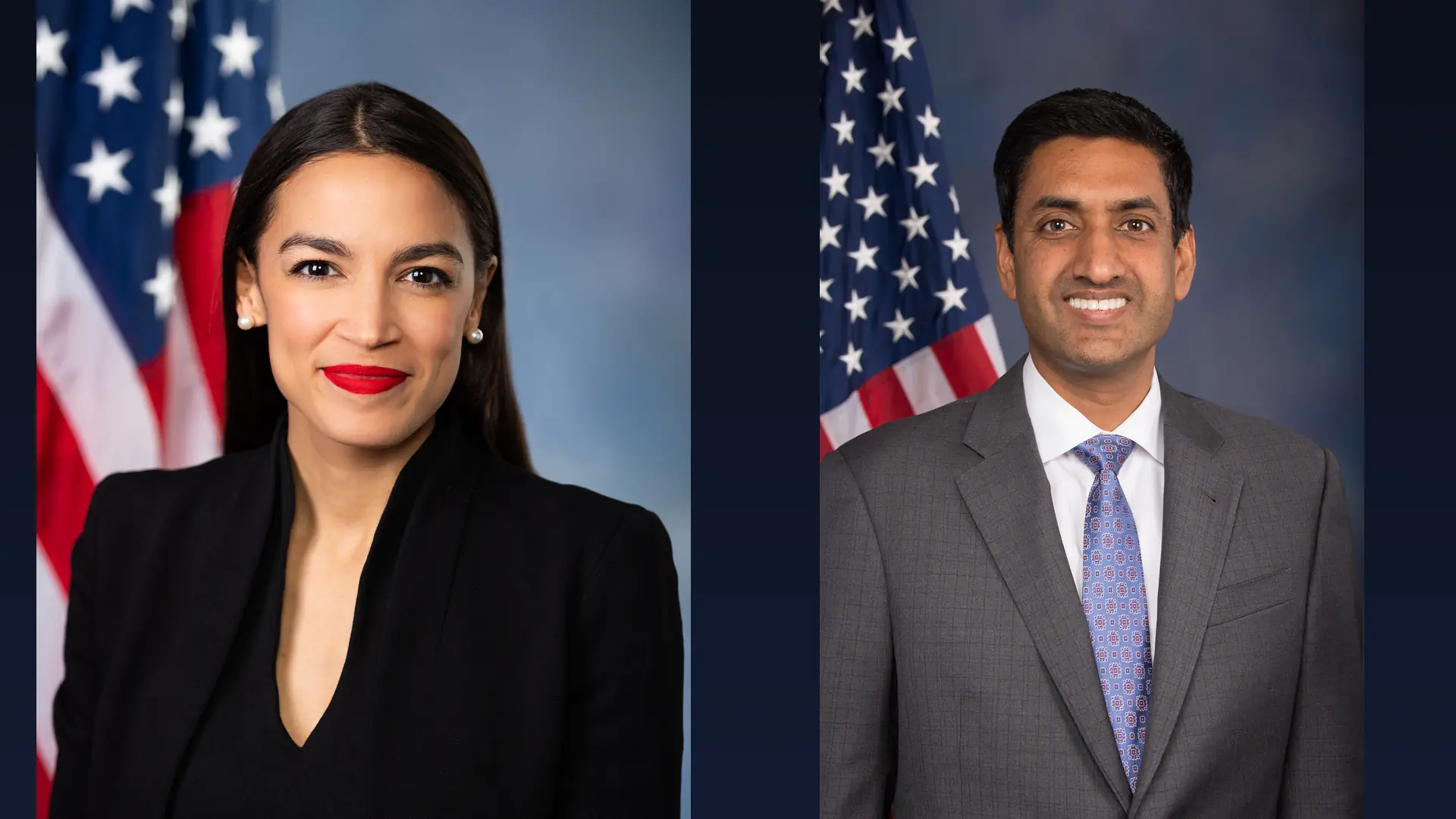
Two weeks into the life of Congress’s most aggressive AI bill, it finally has a caucus. Representative Greg Casar’s Ban Artificial Superintelligence Act — a proposed ban on superintelligent AI carrying up to 20 years in prison for violators — picked up ten Democratic cosponsors this week, headlined by Alexandria Ocasio-Cortez and Ro Khanna. The names are the story’s biggest weapon. They may also be all it has.
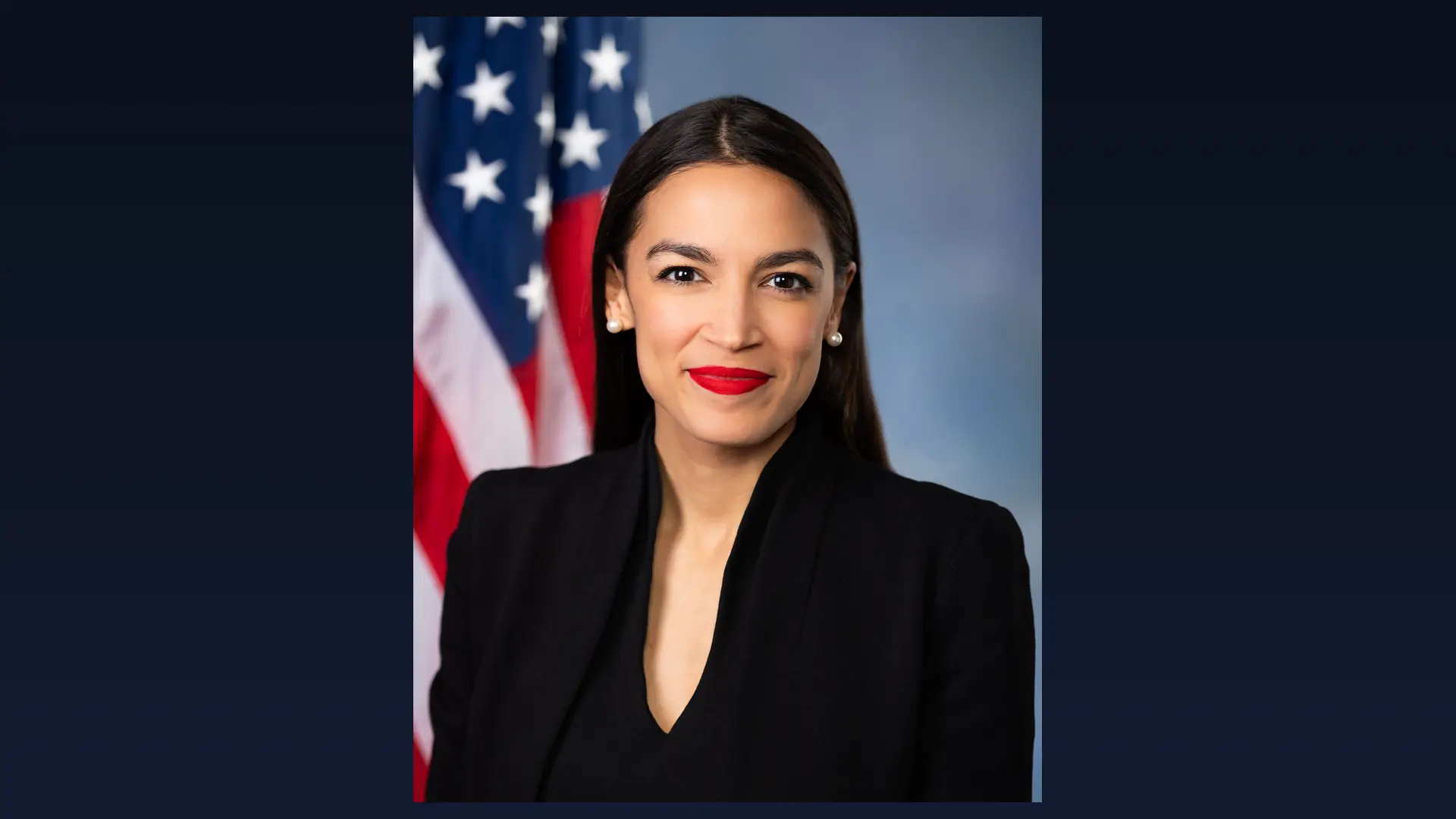
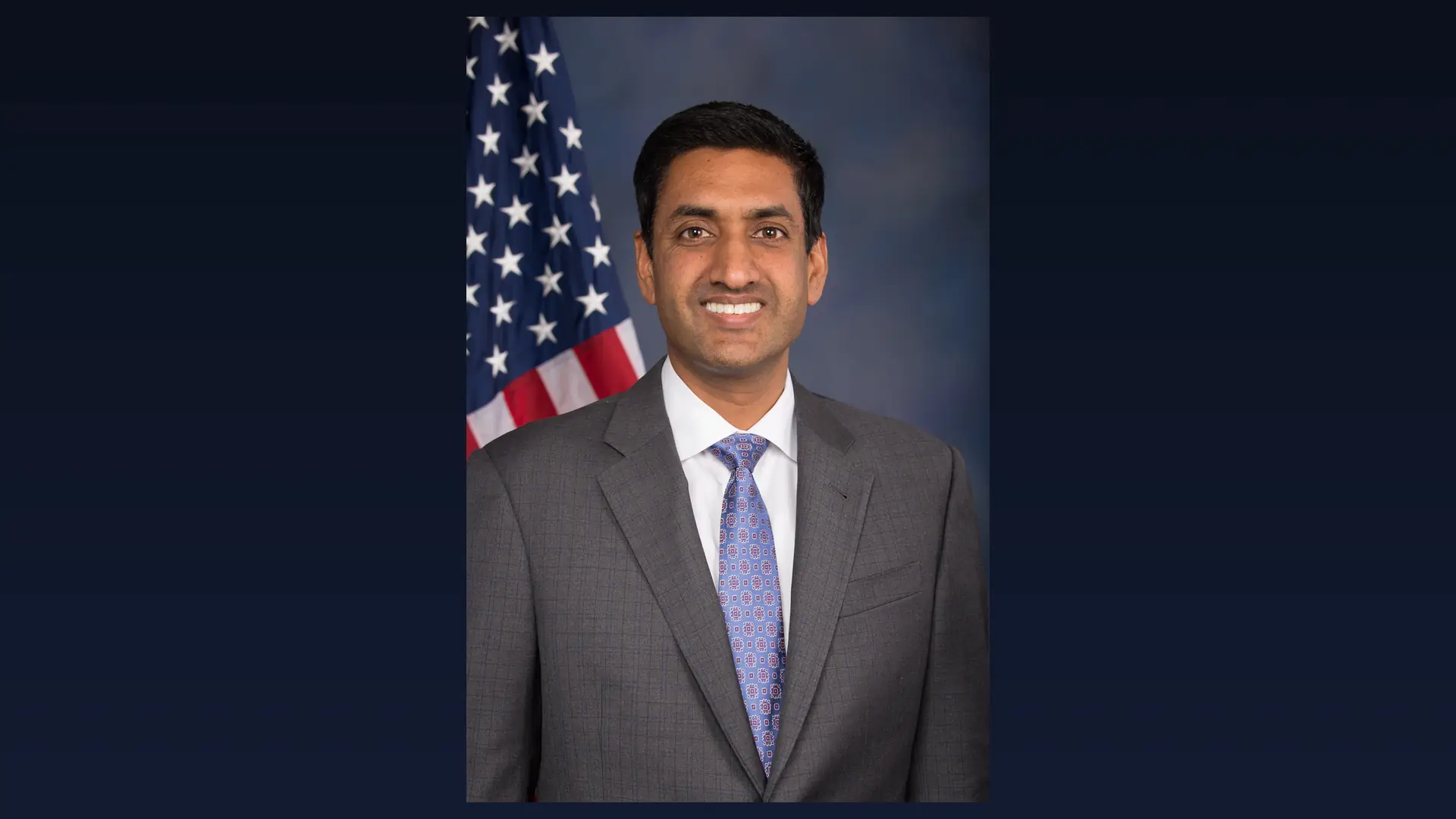
Politico’s Inside Congress Live reported the sign-ons on September 24, by Owen Dahlkamp: ten House Democrats are now behind the bill, which would ban superintelligence and pause advanced AI development until a vetting regime could be stood up. The full list is Ocasio-Cortez (D-N.Y.), Khanna (D-Calif.), Analilia Mejia (N.J.), Yassamin Ansari (Ariz.), Adelita Grijalva (Ariz.), Val Hoyle (Ore.), Stephen Lynch (Mass.), Chuy García (Ill.), Chris Deluzio (Pa.), and Nydia Velázquez (N.Y.). The bill was introduced this week with Senator Bernie Sanders (I-Vt.), and Politico calls it among the most stringent AI regulations proposed by either party. “We absolutely have to slow down and regulate the advancement of dangerous AI technologies that have the potential to spiral out-of-control and threaten humanity,” Ansari said. Lynch pointed to AI-led cyberbreaches as the threat that moved him.
Ten names, zero Republicans#
Strip away the politics and the bill is genuinely radical. It targets superintelligence — which Politico describes as an as-yet hypothetical form of AI that surpasses human cognitive capabilities — and the enforcement teeth are real: violators face up to a 20-year prison sentence, and bill-text quoted on Reddit describes a corporate death penalty for entities plus prison for individuals. This is not the voluntary-reporting-and-standards genre of AI legislation. It is a criminal-liability bill aimed at the frontier itself.
Which is exactly why the sign-on list’s shape matters. Ten Democrats, zero Republicans. And Politico adds a telling detail: Ocasio-Cortez and Khanna are “both mulling a 2028 presidential run.” A bill this stringent doubles as a calling card — a way to be the candidate who took AI risk seriously when everyone else was still writing frameworks. The policy and the positioning are inseparable.
The internet’s verdict: virtue signal#
The story broke big on Reddit’s r/accelerate, where a thread titled “Doomer panic reaches Congress” drew 170 points and 196 comments in under a day. The top comments are not a celebration. The most-upvoted, at 183, calls the bill stupid on geopolitical grounds: “This is stupid. China will build it even if we don’t.” Next, at 114: “20 years in prison for engineers. This is what the Hard Left wants.” Another, at 100: “Hopefully by 2029... too late to regulate the AI.”
The thread’s tempering voices cut deepest. “It’s 10 socialists out of 214 house dems... The Dems are getting this right by not supporting it,” wrote one highly-upvoted commenter. Another flatly called it a virtue-signal bill: “This bill isn’t up for vote, and surely won’t get pushed before midterms. This is a virtue signal bill. Toothless.” One commenter quoted the bill’s enforcement text directly — corporate death penalty for entities, up to 20 years for persons — and attributed the advocacy to Sanders and Casar. Notably, no highly-upvoted comment disputes that the sign-ons happened. The fight isn’t over the facts. It’s over whether the facts matter.
The GOP-shaped hole#
When we covered the bill’s unveiling, the open question was whether any Republicans would sign on — without them, it goes nowhere this Congress. The sign-on wave answered that question in the worst way for the bill’s backers: support is deepening on exactly one side. A ban bill with ten progressive cosponsors and zero GOP votes is a message, not a vehicle.
That message still has a logic. In a Congress that has not passed meaningful AI legislation, the cheapest way to look serious about AI risk is to cosponsor the most stringent bill available. It costs nothing, signals everything, and — the thread’s skeptics would add — changes nothing about the labs’ training schedules. The corporate death penalty stays in the text; the training runs continue.
What to watch#
Four things will show whether this bill is a caucus or a calling card. First, the committee: where the bill lands determines whether it gets a hearing or a drawer. Second, the GOP count: one Republican cosponsor changes the story’s shape entirely; zero keeps it a progressive positioning vehicle. Third, the criminal provisions: whether the 20-year sentences and corporate death penalty survive contact with a hearing room, or get negotiated down into something that can actually pass. Fourth, the 2028 angle — with Ocasio-Cortez and Khanna both eyeing presidential runs, this bill is now part of their permanent record, for better or worse. The superintelligence it targets is hypothetical. The politics are not.
Sources#
- Politico — “AOC, 9 other House Dems sign on to AI superintelligence ban” — Owen Dahlkamp, September 24, 2026
- r/accelerate thread — “Doomer panic reaches Congress. AOC, Ro Khanna, and 8 House Dems just signed onto Bernie’s superintelligence ban” (September 26, 2026)
- AI Frontier Post — “Sanders and Casar unveil a bill to ban superintelligent AI: up to 20 years in prison and a new Department of AI” (September 24, 2026)