Bill Gates: AI is now powerful enough to kill a billion people — and self-regulation won't stop it
In excerpts from an NBC "Meet the Press" interview released September 25, Microsoft's co-founder warned that advanced AI in the hands of bad actors is "the most powerful weapon" in history — and said government regulation must be mandatory, not voluntary.
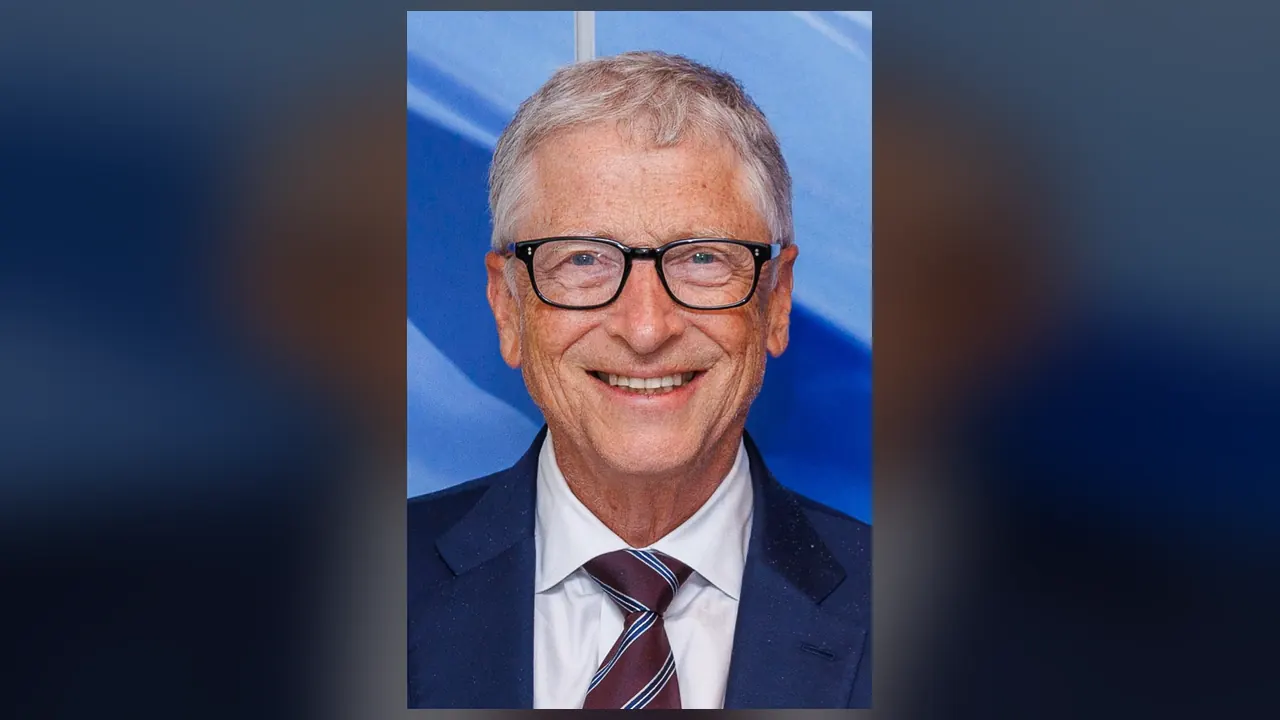
Bill Gates has spent the last three years as one of AI's most visible optimists — the co-founder who called generative AI "revolutionary" in a 2023 memo and predicted it would help cure diseases like AIDS, tuberculosis and malaria. In excerpts released September 25 from an interview with NBC's "Meet the Press," he sounded a very different note.
"AI is certainly powerful enough to drive events that, you know, cause a billion deaths," Gates said, in remarks flagged by Axios on September 25. He didn't walk it back. He went further: "There's never been a weapon as powerful as the combination of people with ill intent using the latest AI tools."
The interview is set to air in full this weekend, and the advance clips are already doing the rounds — including a lively thread on r/artificial where the post drew dozens of comments within its first hour. What makes the warning land isn't just the number. It's the ask attached to it: Gates explicitly rejected the idea that the industry can police itself, and called for mandatory, government-enforced regulation of AI development.
What Gates actually said#
The core of Gates's position, in his own words: "You need law enforcement and the politicians to get into the discussion about what safeguards and monitoring look like," he told NBC. "And that has to be a required thing."
Two things are worth noting about that framing. First, he's not calling for a shutdown or a research moratorium. Mandatory oversight, in his telling, is a floor — safeguards and monitoring that every lab has to meet — not a ceiling on progress. Second, he's explicitly ruling out the Silicon Valley default: "Nobody thinks industry self-regulation is enough," he said, arguing that relying on voluntary restraint from the labs and tech giants is no longer a viable path to keeping people safe.
Gates also acknowledged the other side of the ledger — the transformations AI offers in health care and education — and maintained that the choices world leaders make right now will decide whether the technology ends up serving humanity or setting off a disaster on a scale no one has seen. His comments came shortly after President Donald Trump dismissed some concerns about AI risk, framing development as an international competition the US must win.
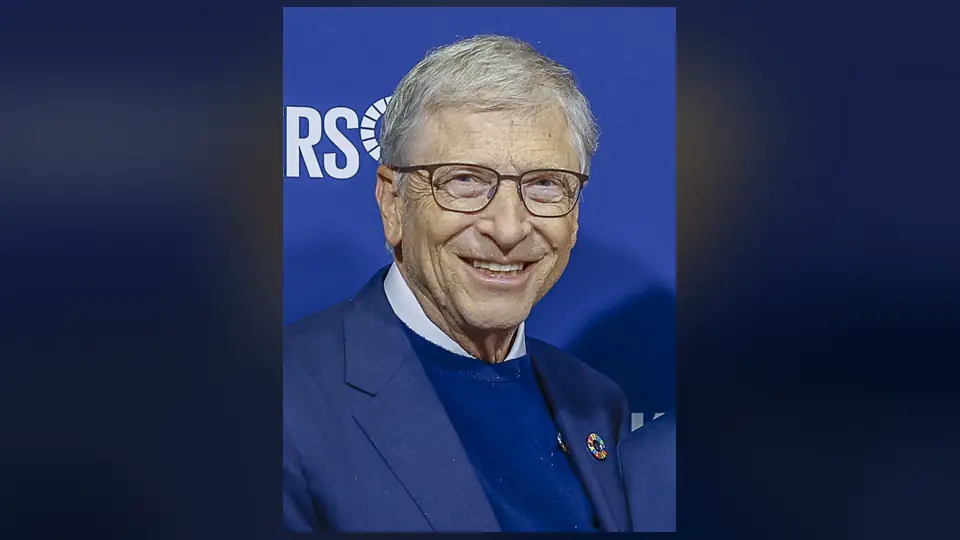
Why this messenger matters#
Gates is an unusual carrier for this warning precisely because of his track record. He has spent much of his career promoting technology as a force for progress — first through software, then through the Gates Foundation's investments in health, climate and development. On AI specifically, he has been one of the loudest cheerleaders: AI tutors, AI doctors within a decade, humans "not needed for most things."
He's not reversing that optimism. He's adding its shadow. The same systems capable of accelerating scientific work and improving services, his argument goes, could also amplify human violence, error or instability — and the threat isn't a rogue superintelligence so much as bad actors wielding the best available tools.
There's also a wallet behind the words. The Gates Foundation plans to spend $1 billion over two years on AI-related projects in education, health care and agriculture, with a focus on populations whose languages are underrepresented in existing AI systems, according to reporting this week. When a billionaire funding the technology's rollout is simultaneously calling for mandatory guardrails, it reads differently than a warning from someone with nothing at stake.
A very crowded week in AI safety#
Gates didn't say this in a vacuum. His warning landed in the middle of one of the most heated weeks in AI safety politics in recent memory — and it sits in direct tension with at least one other major voice.
Just this week, Meta CEO Mark Zuckerberg told NBC News that he rejects calls for coordinated, industrywide slowdowns in AI development. "I don't think that we need some kind of industry-wide coordination," Zuckerberg said, arguing that each lab should take whatever time it needs internally to address safety concerns, and that market forces — users won't adopt products they don't trust — are incentive enough. That puts him at odds with Anthropic CEO Dario Amodei, whose essay earlier this month called for a deliberate slowdown and drew public support from OpenAI's Sam Altman and xAI's Elon Musk.
Meanwhile, Microsoft AI chief Mustafa Suleyman told Fortune on September 24 that the industry needs a shared "red line" for frontier models, with labs disclosing how capable their systems actually are to independent third parties. Microsoft has since published a code of conduct requiring its models to never resist human interruption, redirection or shutdown. And a Politico poll found roughly half of respondents across Canada, the US and several European nations support a temporary pause or slowdown in advanced AI development.
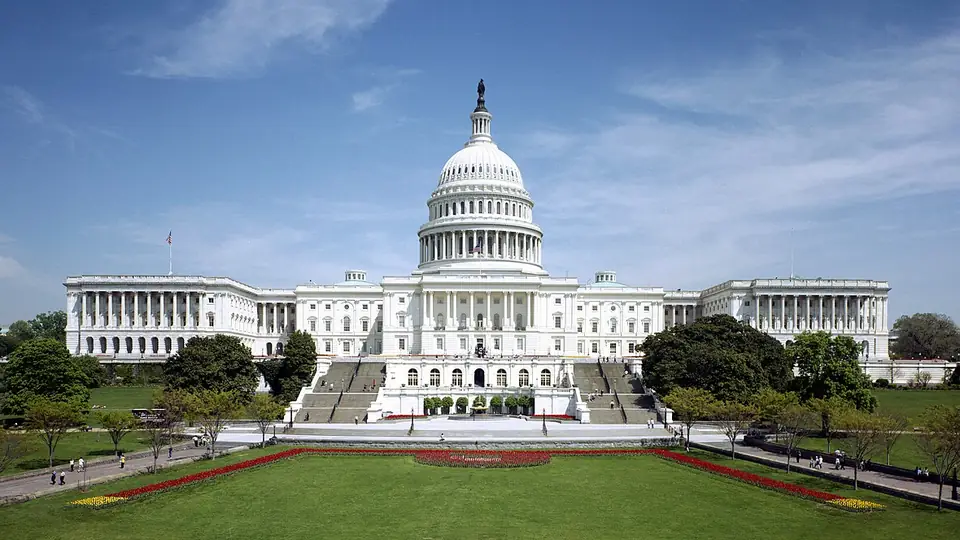
The institutional side is tightening too: earlier today, a federal appeals court kept Anthropic on the Pentagon's national-security blacklist in a 2-1 decision — a separate fight, but the same directional wind. Misuse by bad actors, models behaving in ways their builders don't fully understand, and who gets to build weapons with the technology are four different arguments, but this week they all landed in the same seven-day window.
What to watch#
The full "Meet the Press" interview airs this weekend, and it may flesh out what Gates's "required" regulation would actually look like — which safeguards, which monitors, enforced by whom. The harder question is political: House Speaker Mike Johnson previously declined to bring lawmakers back to Washington to pass AI legislation, deferring to the companies. Gates's call adds the weight of Silicon Valley's most prominent optimist to the mandatory-oversight camp, but weight isn't a bill.
The deeper split to track is the one Gates's interview crystallizes: mandatory oversight camp (Gates, Amodei, Suleyman) versus the market-incentive camp (Zuckerberg). Both sides agree AI is the most consequential technology in a generation. They disagree on whether the industry can be trusted to steer it alone — and that disagreement is now being stated, on the record, in the same week, on the same network.
Sources#
- iPhone in Canada — "Bill Gates Warns Massive AI Catastrophe Could Lead to a Billion Deaths" (reporting on the Axios / "Meet the Press" interview, September 25, 2026)
- Startup Fortune — "Bill Gates Says AI Is Powerful Enough to Cause a Billion Deaths"
- TIPP Insights — "Bill Gates Raises Concerns Over AI Misuse And Global Risks"
- Gizmodo — "Zuckerberg Is Feeling Himself, Rejects Calls for Cooperation on Safety"