California widens its Nvidia probe to possible criminal violations over China chip sales
Attorney General Rob Bonta says the investigation into whether Nvidia’s chips or secrets reached China — and whether investors were misled — now spans criminal as well as civil law. The probe is preliminary, and no wrongdoing has been found.
- The subpoena: served November 19. California’s Department of Justice is asking whether Nvidia’s advanced chips or confidential information may have gone to China, and whether Nvidia misled investors and the public.
- The escalation: on November 20, Bonta told Bloomberg the probe now covers potential criminal violations: the “prohibitions in California law — both civil and criminal — against misleading investors and the public.”
- The status: preliminary. A subpoena demands records; it is not a charge or a finding of wrongdoing. Bonta has said no conclusions have been reached.
- The parallel tracks: the SEC is examining Nvidia’s investor disclosures, and Huang is due before House committees on December 1, with Nvidia general counsel Tim Teter appearing December 2.
- The market: Nvidia shares closed at $145.98 on November 19, down 3.3% — a 52-week low, about 16% below the close before Huang resigned.
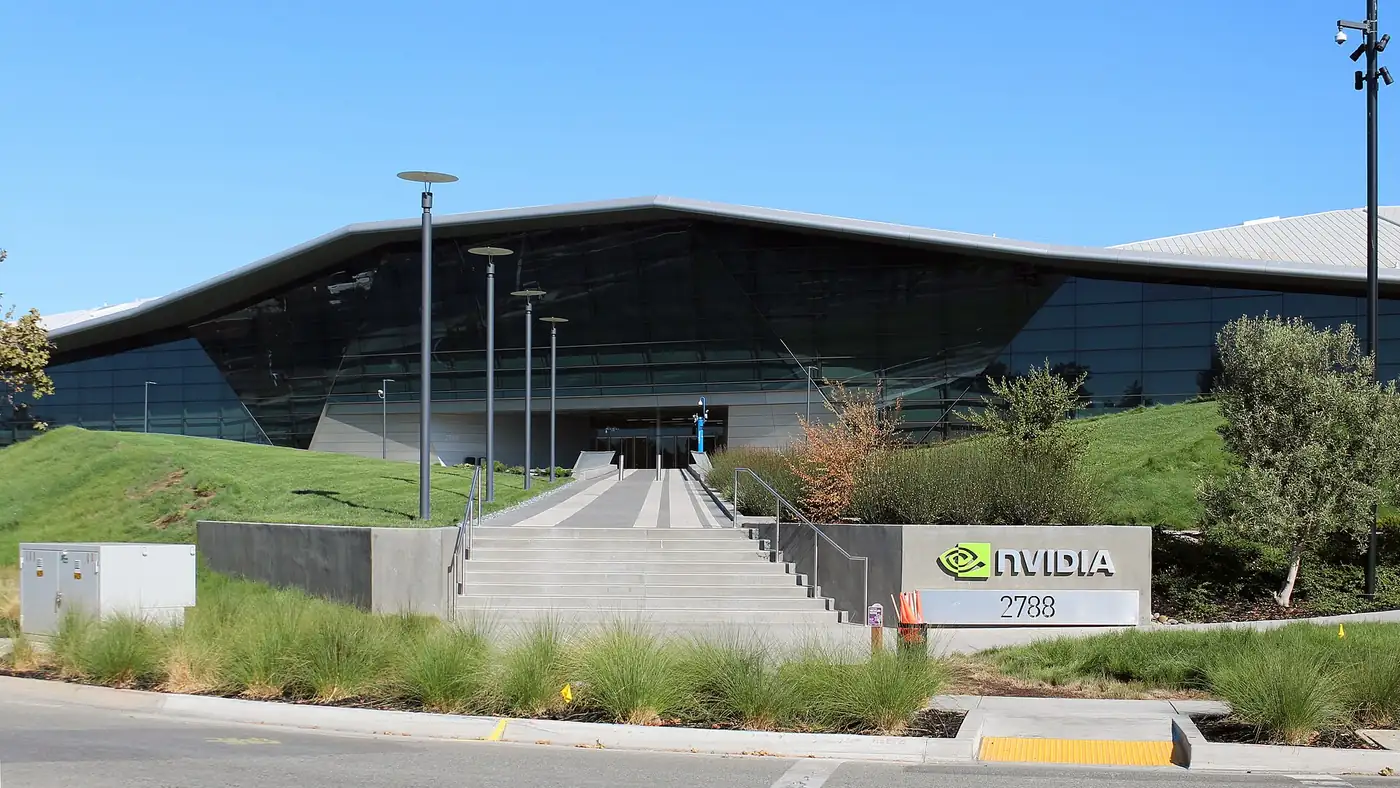
California’s investigation into Nvidia has widened from a regulatory inquiry into possible criminal exposure. Attorney General Rob Bonta said on Friday that the probe now covers potential criminal violations of state law — a day after his office served the chipmaker with an investigative subpoena over whether its advanced chips or confidential information reached China, and whether investors were misled about the risk.
The escalation lands at a strange moment for Nvidia. Hours later, the company’s board voted unanimously to reinstate Jensen Huang as chief executive, eleven days after he resigned. The state’s investigation is separate from the board’s own inquiry, and nothing in the reinstatement touches it.
What the subpoena asks for#
The subpoena, served on November 19, is framed around three questions. The California Department of Justice wants to know whether Nvidia’s advanced chips went to China, whether confidential information did, and whether the company misled investors and the public about that risk. In the release announcing it, Bonta said the conduct of Nvidia and its former chief executive “raises bright red flags, including about the ways in which the company may have misled investors.”
The subpoena is related, in the department’s own words, to the news of Huang’s affair with a woman U.S. officials suspect of spying for China. Huang admitted the affair before resigning on November 12. The woman, Alice Huang, once ran Megaspeed, a Singapore company under U.S. investigation since 2024 over possible shipments of Nvidia chips to China. Bonta has described the subpoena as a first step, telling Politico that more could follow depending on what Nvidia hands over.
From civil to criminal: what changed on Friday#
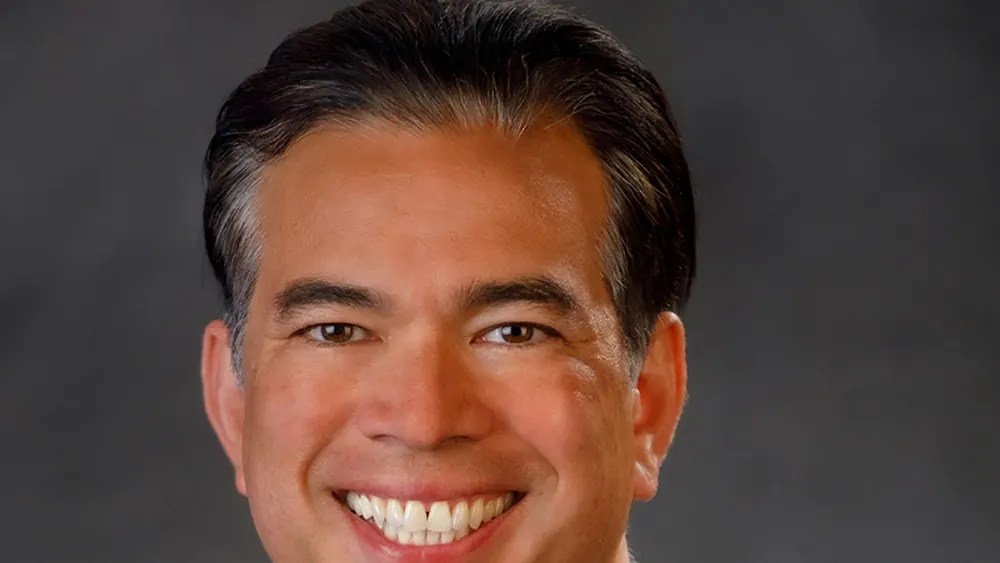
The subpoena alone was a civil investigative tool. What changed the stakes was Bonta’s interview with Bloomberg the next day, in which he said the inquiry now spans criminal law as well. “The basic legal framework that we’re looking at is the prohibitions in California law — both civil and criminal — against misleading investors and the public,” he said, adding that there are “multiple different laws that provide prohibitions in that space.”
In practical terms, the widening matters because of what it unlocks. If the department finds violations, Bonta said, it could seek court orders to stop them, claw back profits generated from illegal sales, and potentially pursue a criminal case carrying additional financial penalties. None of that has happened. Bonta has stressed repeatedly that the inquiry is at a preliminary stage and has reached no conclusions about whether Nvidia broke the law, or whether any violations would be civil or criminal.
He has also been careful about the link at the center of the story — the affair and the chips. Asked whether the two were connected, he said: “It could be either or neither. That’s why we’re doing an investigation.” The subpoena, in other words, is an instrument for finding out, not a verdict.
The other investigations circling Nvidia#
California is not the only authority looking. The Securities and Exchange Commission is investigating whether Nvidia misled investors in its public disclosures, Reuters reported on Friday, asking whether the company knew about potential chip diversion to China and whether its disclosures covered the risk. President Trump has said the FBI is investigating Huang’s relationship and any ties to Chinese intelligence; Beijing has rejected the allegations.
Congress is moving on a fixed calendar. Huang has agreed to appear before three House committees on December 1, with Nvidia general counsel Tim Teter scheduled for December 2, to answer questions about the company’s potential role in letting Chinese entities access advanced American chips.
The market has already rendered its own interim verdict. Nvidia closed at $145.98 on November 19, the day the subpoena was served — down 3.3%, a 52-week low, and about 16% below its close before Huang resigned.
A CEO returns; the probe does not go away#
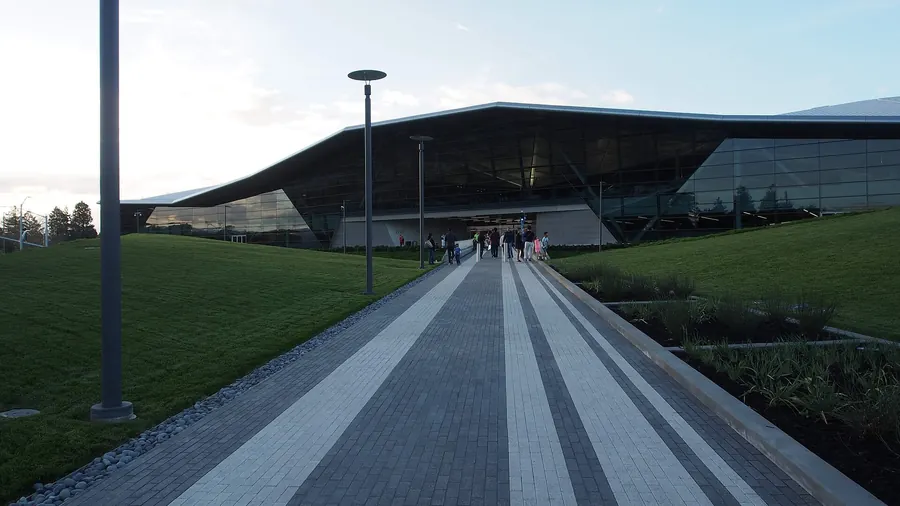
The timing is what makes the story unusual. On Monday, Nvidia’s board voted unanimously to bring Huang back as president and chief executive, saying it had received input from senior levels of the U.S. government and was confident the return posed no national security risk. The same release said the board’s committee of independent directors will proceed with its own investigation of Huang to its conclusion.
That is a different investigation from Bonta’s. The board is examining Huang’s conduct; the state is examining whether chips or secrets reached China and whether investors were told the truth. One can conclude while the other is still gathering records. Huang’s return settles who runs Nvidia. It settles nothing about what the subpoena will turn up.
What to watch#
First, what Nvidia hands over — and whether the department’s next step is a second subpoena, a lawsuit, or nothing at all. Second, the SEC’s inquiry, which asks the narrower question of what the company told investors and could move faster than the state probe. Third, the December 1 and 2 House appearances, the first time Huang will answer questions about the affair and the chips in a formal setting since resigning.
For now the facts are narrow: a subpoena, a widened legal framework, and no conclusions. The question is no longer whether Nvidia faces scrutiny — it is how many fronts that scrutiny comes from, and what the records show.
Sources: California Department of Justice — Attorney General Bonta Serves Investigative Subpoena on Nvidia (Nov. 19, 2026); PYMNTS — Nvidia’s Chip Sales Targeted in California Criminal Probe (Nov. 21, 2026); Bloomberg via TradingView — Nvidia probe in California extends to potential criminal violations (Nov. 21, 2026); Associated Press — California attorney general subpoenas Nvidia over whether Huang’s conduct let China obtain chips or secrets (Nov. 19, 2026); Financial Markets — California Subpoenas Nvidia Over Chips, China and What Investors Were Told (Nov. 20, 2026). Prior coverage: Nvidia reinstates Jensen Huang as CEO — unanimous board vote, with U.S. government input; Jensen Huang resigns as Nvidia CEO; CFO Colette Kress named interim chief; Nvidia stops shipping H200 AI chips to China; Nvidia doubles revenue to $115.8B in its first report without Jensen Huang.