After a decade of talks, 128 states agree to draft rules for lethal autonomous weapons — but not whether they will bind
After more than a decade of argument, the world’s governments have finally agreed to start writing rules for weapons that can pick and attack targets on their own. What they did not agree on is whether those rules will actually bind anyone.
- The mandate: 128 states agreed in Geneva to draft an instrument on lethal autonomous weapons over 2027–2028; the agreement came in the early hours of Saturday, November 21, after talks ran past schedule.
- The catch: the instrument’s legal form is undecided — it could become a binding protocol or a softer text. The word the conference chose was “elaborate,” not “negotiate.”
- The split: nearly 100 states pushed for binding rules; the United States proposed five years of work toward nonbinding guidance instead. The convention decides by consensus, so holdouts could defer the question.
- The missed deadline: the UN Secretary-General and the Red Cross called in 2023 for a binding instrument by the end of 2026. The drafting process now runs two years beyond that ask.
- The definition: the expert group’s September report agreed a lethal autonomous weapon is a system that can identify, select and engage a target without a human operator intervening.
- The venue: chaired by Swiss Ambassador Julien Thöni, with Peru’s Ambassador Elmer Schialer Salcedo helping draft the compromise; the UN General Assembly backed the process 164–6 in December 2025.

In the early hours of Saturday, November 21, the 128 states party to the Convention on Certain Conventional Weapons closed their review conference in Geneva with a mandate to draft an international instrument on lethal autonomous weapons systems over the next two years. It is the first time the conference has authorized drafting work on the subject — and the mandate deliberately leaves the instrument’s legal force open, to be decided once negotiations conclude.
The agreement matters because nothing like it exists today. No dedicated treaty regulates weapons that can select and attack targets with little or no human intervention, and the talks in Geneva have circled the issue for more than a decade. What changed this time is that the states finally agreed to start writing — while agreeing to decide later whether what they write will bind anyone.
What was agreed — and the word that did the work#
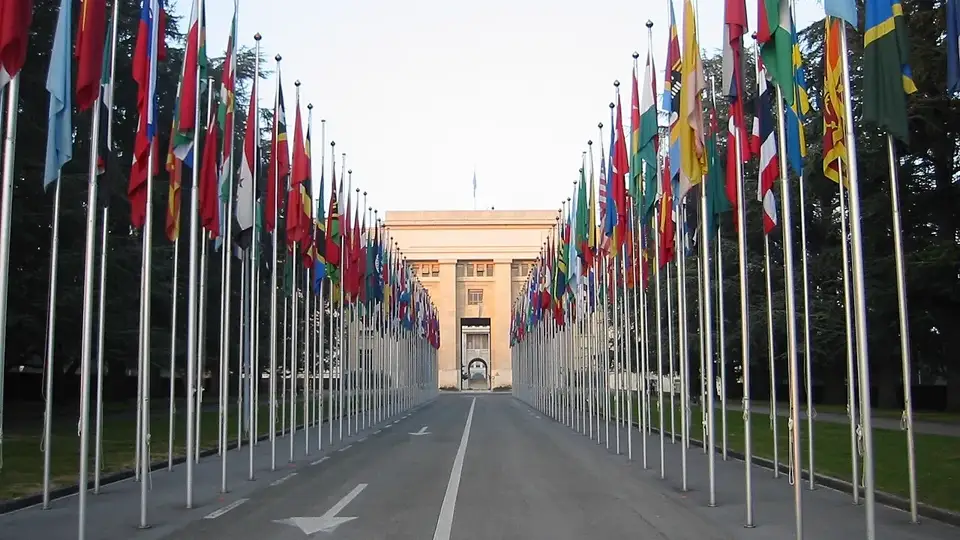
The Seventh Review Conference of the Convention on Certain Conventional Weapons ran November 16–20 at the Palais des Nations, chaired by Swiss Ambassador Julien Thöni, Switzerland’s Permanent Representative to the Conference on Disarmament. Peru’s Ambassador Elmer Schialer Salcedo worked alongside him drafting the compromise, and the final text was settled only after intensive consultations that ran through the night.
The operative word is “elaborate.” States agreed to elaborate an instrument, not negotiate a treaty. That single verb is the compromise: it keeps the process alive and puts drafting on the calendar without committing any government to a binding text. The Group of Governmental Experts will spend 2027 and 2028 working up recommendations on the instrument’s content and legal nature, and UN disarmament chief Izumi Nakamitsu has said a binding protocol under the convention is one option on the table.
Switzerland’s foreign ministry welcomed the outcome as a step forward after more than ten years of discussion, while noting that the main work — finalizing an instrument — still lies ahead.
Why binding rules didn’t happen#
A majority of states wanted a binding mandate now. Nearly 100 governments pushed for legally binding rules, and seven countries — Austria, Belgium, Brazil, Ireland, Mexico, New Zealand and Panama — tabled a proposal for negotiations toward a binding protocol.
The United States took the other side, proposing five more years of work toward nonbinding guidance on how existing humanitarian law applies to autonomous weapons. France wanted a mandate that would ban fully autonomous systems and regulate systems with autonomous functions. The International Committee of the Red Cross, the guardian of the Geneva Conventions, urged binding rules within a year.
The convention decides by consensus, so any single state can block an outcome — and that rule shaped the result. The binding question was deferred rather than settled. Even the opening was disrupted: on November 16, Russia refused to agree to the conference agenda and the chair briefly halted proceedings.
A deadline already missed#
The mandate lands past a deadline the UN itself set. In 2023, Secretary-General António Guterres and ICRC president Mirjana Spoljaric called for a binding instrument by the end of 2026. The drafting process now runs two years beyond that ask, and Guterres leaves office at the end of 2026.
The groundwork is further along than the politics. The expert group’s report, finished in the early hours of September 5, contains the first agreed description of a lethal autonomous weapon: a combination of weapons and integrated components that can identify, select and engage a target without a human operator intervening. And the UN General Assembly backed the process in December 2025, when resolution 80/57 on autonomous weapons passed 164 to 6, with 7 abstentions.
None of that makes the next two years easy. The same consensus rule that forced the compromise will govern the drafting sessions, and the states that resisted a binding mandate have not changed their minds.

What to watch#
Three things will tell whether this mandate was a turning point or another two years of process. First, whether “elaboration” turns into negotiation — the test is whether the 2027 sessions produce draft treaty language or another round of procedural text. Second, what the expert group recommends on legal form, and whether the holdout powers accept it. Third, whether the debate stays inside the Convention on Certain Conventional Weapons at all: with the UN’s own deadline missed, some states may push the issue to the General Assembly, where majority voting applies and no single government holds a veto.
For now, the world has agreed to write rules for killer robots — and agreed to decide later whether the rules mean anything. The next two years will show which of those agreements mattered.
Sources: Swiss Federal Department of Foreign Affairs, ‘New mandate on lethal autonomous weapons systems adopted in Geneva,’ November 21, 2026; Digital Watch Observatory, ‘UN agrees to develop autonomous weapons instrument by 2028,’ November 2026; Political.org, ‘Killer robots: U.N. talks in Geneva end without binding rules,’ November 21, 2026; Tech Times, ‘Autonomous Weapons Treaty at Stake as CCW Review Conference Opens Monday,’ November 2026.