Canva restructure hits 1,271 roles as AI costs bite and growth slows for the first time in a decade
Canva said on November 4, 2026, that 1,271 people — 22% of its workforce — will be affected by a restructure that merges its Product, Growth and Platform teams into a single Product Org, strips out management layers and makes Sydney the primary home for more product teams, after growth slowed for the first time in a decade.
- Who and when: Canva co-founder and chief executive Melanie Perkins announced the restructure on November 4, 2026, in a note to staff published on Canva's newsroom.
- How many: 1,271 people, or 22% of Canva's workforce, are affected — a total covering job losses, role changes and relocations. Canva has not disclosed the split.
- The three changes: Product, Growth and Platform merge into one Product Org; narrower subspecialties and management layers are cut in favour of broader roles; and closely connected teams are co-located, with Sydney becoming the primary home for more product teams.
- Office rule: From January, most hybrid staff are expected in the office two to three days a week, depending on their area.
- Support for leavers: At least six months' salary, 12 months of healthcare where Canva provides it, career support and a kept MacBook — plus US$10,000 Canva Collective Fund grants, with interest to be registered by December 14.
- What happens next: A company-wide meeting is scheduled for November 10, with organisation-level meetings from November 11. Canva operates across 37 countries, so timing varies by location.
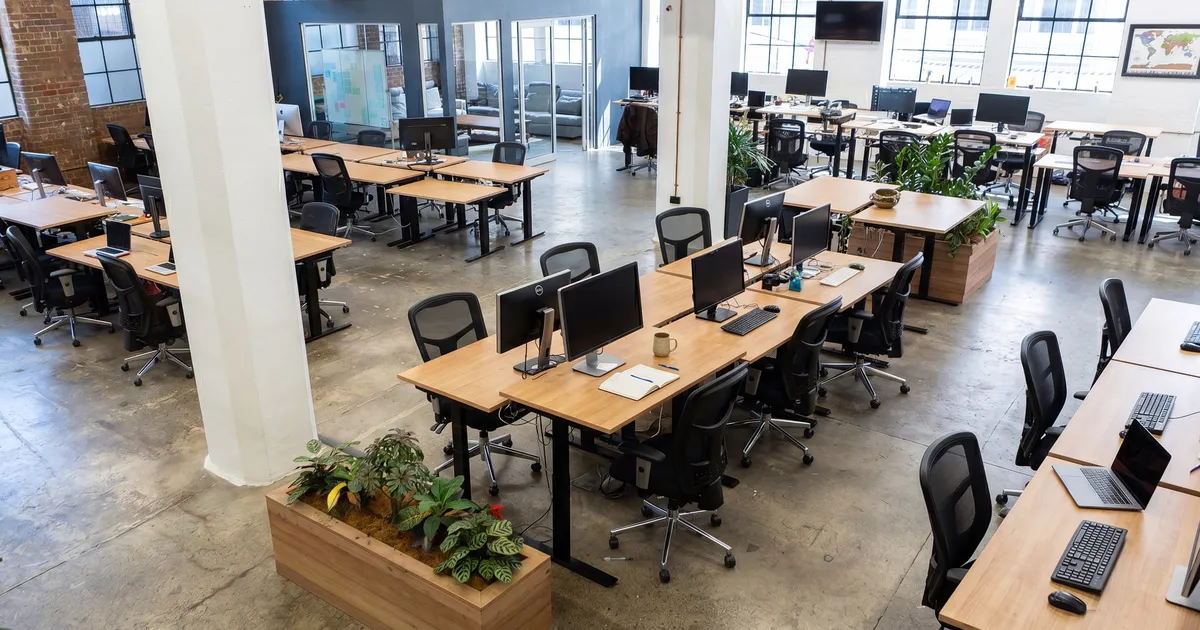
Canva announced the restructure on November 4, 2026, in a note to staff from co-founder and chief executive Melanie Perkins, published on the company's newsroom. Perkins called it "without doubt the hardest moment in our thirteen-year history" and said 2026 had been Canva's "hardest year yet". Growth, she wrote, "has slowed for the first time in a decade" — and after exploring alternatives, she concluded that "small changes won't be enough". The answer, in her framing, is to "refound Canva, getting back to our roots of small, empowered teams".
The announcement lands in a software industry being repriced by AI. Bloomberg, reporting the restructure, described it as AI forcing "a structural reckoning" at one of Australia's highest-profile technology companies, with investors worried that tools such as Anthropic's Claude let people do more on their own without specialty programs. But the precise role of AI in Canva's decision needs care: Perkins pointed to new technology transforming "what people can create, how they create it, and what they expect from the products they use", without naming AI as the reason for the cuts.
The number that is not a layoff count
The headline figure — 1,271 people, 22% of the workforce — is a total of everyone affected, not a count of redundancies. Some people will leave, some will see their roles change, and some will be asked to relocate to centralised hubs. Canva has not disclosed how many fall into each group, and has declined to provide a layoff count. That distinction matters: reporting 1,271 as "jobs cut" overstates what Canva has actually said, and the final number of departures will depend partly on relocation decisions.
It is also Canva's first redundancy round in its 13-year history. The company, founded in Sydney, has grown into a design platform used by hundreds of millions of people, spanning documents, spreadsheets and presentations as well as its original design tools — and, more recently, its own AI features, including Craft, its first homegrown image model, launched in October.
Three changes: one product team, broader roles, Sydney
Perkins set out three changes. First, Product, Growth and Platform come together into a single Product Org, because improving one part of the product had come to mean navigating between three organisations, with handovers and coordination eating the time that should go to building. "We want to get back to spending more time building, and less time navigating how work gets done," she wrote.
Second, Canva is reducing subspecialisation and collapsing layers: narrower specialties fold into broader roles so teams own goals from start to finish, and overlapping responsibilities are consolidated. Third, closely connected teams will be co-located, with Sydney becoming the primary home for more product teams and for roles in other specialties where shared context matters most — and from January, most hybrid staff are expected in the office two to three days a week, depending on their area.
The AI pressure behind the restructure
Canva has not said AI is replacing the departing employees — and that is an important line to hold. TechRepublic, covering the announcement, noted that AI is part of Canva's business pressures but that the company has not said AI is replacing the departing staff; ABC News reported it understood Canva was restructuring to build AI-related products, rather than using AI to replace departing employees.
The cost side is better documented. Fortune reported in August that Canva cut its expected 2026 revenue growth from 30% to 20% after high AI feature costs prompted a slower rollout — a reminder that serving generative AI features to millions of free users is expensive in a way classic software was not. "AI is making SaaS no longer a zero marginal cost solution," PitchBook analyst Derek Hernandez told Fortune. Canva's restructure is, in that light, less a story about machines taking jobs than about a company whose AI bill arrived before its AI revenue did.
What departing staff get
Perkins' note sets out a support package for everyone leaving: at least six months' salary, including statutory entitlements, regardless of location; 12 months of continued healthcare coverage in countries where Canva provides it; 12 months of Canva Care, its employee assistance program, extended to family members; the removal of the one-year vesting cliff for people who joined in the past year; dedicated career support, including one-on-one coaching, interview preparation and a year of LinkedIn Premium; and keeping their Canva MacBook.
Canva is also launching the Canva Collective Fund, offering US$10,000 grants to departing staff who want to start something of their own — a business or a community project — with Canva taking no ownership or equity. Departing staff have until December 14 to register interest. What the note does not announce is any change to customer products, support or contracts.
What happens next
Those affected get individual meetings with a senior leader in their area, and will keep Slack and Gmail access until the end of the week. With teams across 37 countries, timing and process vary by local requirements. A company-wide meeting is scheduled for November 10, with organisation-level meetings from November 11 — the point at which the shape of the smaller, Sydney-centred Canva should become clearer. For customers, the question to watch is the one Perkins herself posed: whether fewer layers and one product organisation actually mean more time building, and less time navigating how work gets done.
Sources: Canva's staff note, TechRepublic's report and Bloomberg's report.
Frequently asked questions
Is 1,271 the number of Canva layoffs?
No. It is the total number of people affected by the restructure, covering job losses, role changes and relocations to central hubs. Canva has not disclosed how many of the 1,271 will lose their jobs outright.
What three changes is Canva making?
First, Product, Growth and Platform merge into a single Product Org. Second, narrower subspecialties and management layers are cut in favour of broader roles. Third, closely connected teams are co-located, with Sydney becoming the primary home for more product teams, and most hybrid staff expected in the office two to three days a week from January.
What support do departing Canva staff receive?
At least six months' salary, 12 months of healthcare coverage where Canva provides it, career support including coaching and a year of LinkedIn Premium, and they keep their Canva MacBook. The Canva Collective Fund also offers US$10,000 grants to departing staff starting something of their own, with interest to be registered by December 14 and no ownership or equity taken by Canva.